1934 Aston Martin Ulster
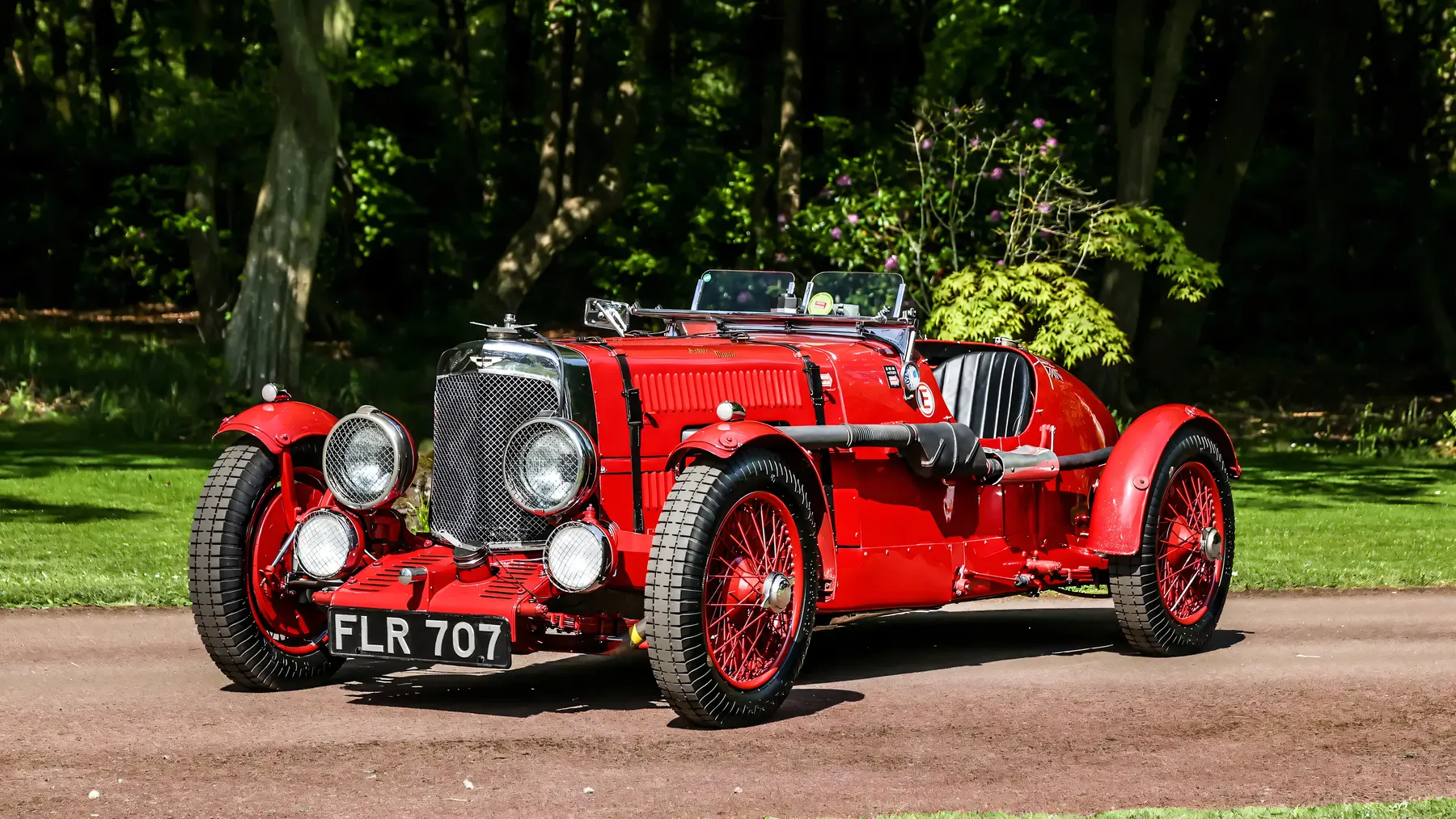
When a manufacturer puts a guaranteed top speed in writing and stakes its reputation on the promise, the car carrying that claim had better be honest. In 1934, Aston Martin signed its name to exactly that kind of pledge, assuring buyers of the new Ulster that 100 miles per hour - 161 kilometres per hour - was not a marketing aspiration but a contractual reality. For a car powered by a 1,496cc four-cylinder engine at a time when raw displacement was the blunt instrument most manufacturers reached for, that was a statement of extraordinary confidence. The Ulster earned every word of it.
The name came from the Ulster Tourist Trophy, the demanding Northern Irish road race that had already made Aston Martin’s reputation among those who cared about such things. By the early 1930s, the company under Augustus Bertelli had built a coherent philosophy around small-displacement engines tuned with precision rather than overwhelmed with size, and the Ulster represented the fullest expression of that thinking during the pre-war era. It was not conceived as a racing car that had been lightly civilised for road use, nor a road car that had been heroically pushed onto a circuit. It occupied that genuinely rare space in between, built to be driven hard in both contexts without apologising for itself in either.
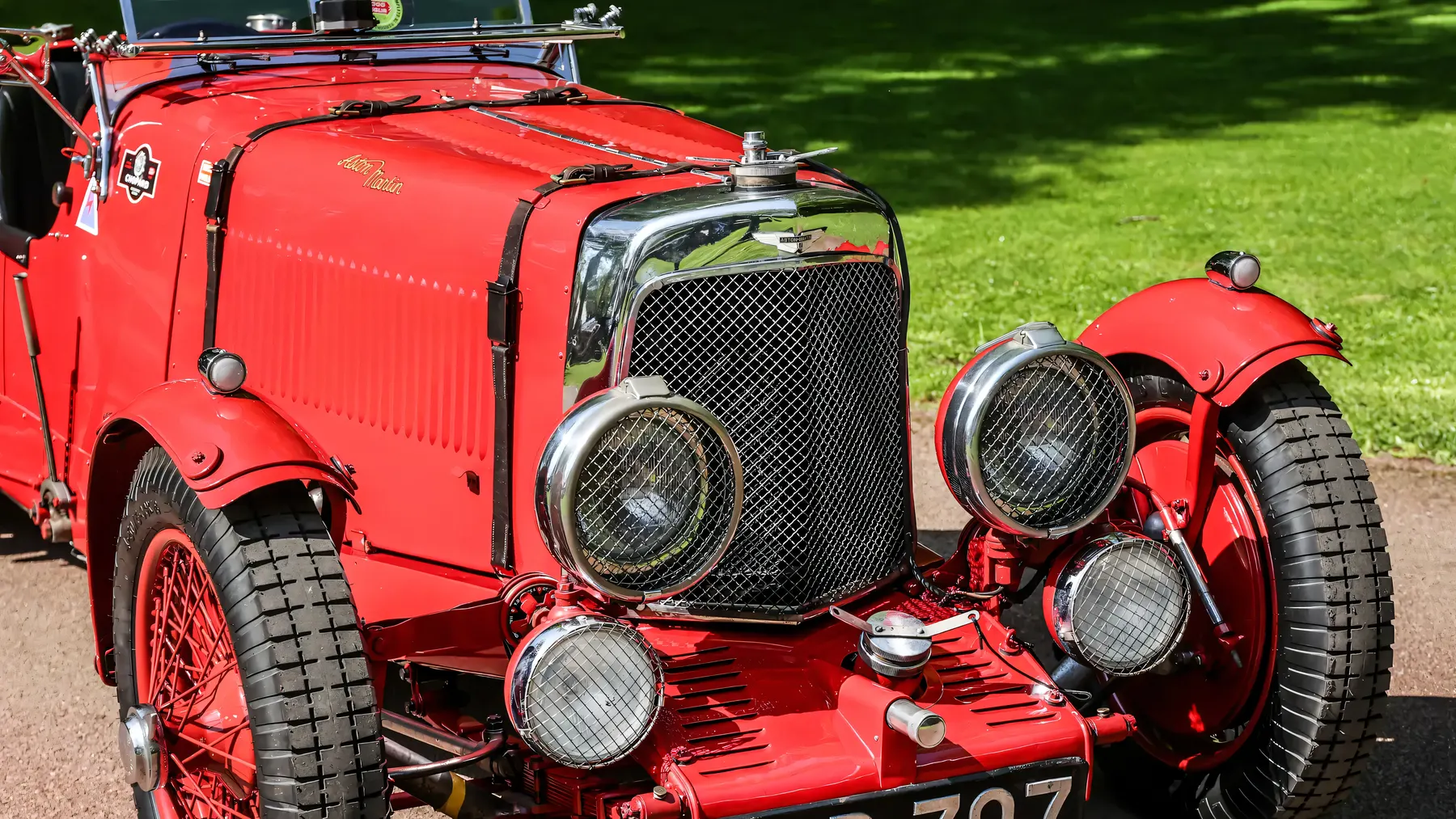
What made the Ulster possible was the development of Bertelli’s overhead camshaft four-cylinder, a unit that traced its lineage back through the Le Mans and International models that preceded it. By the time the engine reached Ulster specification, it was breathing through twin SU carburettors and running a high-compression ratio that demanded quality fuel and rewarded careful maintenance. The claimed output hovered around 85 brake horsepower, a figure that sounds modest until you account for a total kerb weight in the region of 700 kilograms. The power-to-weight arithmetic was genuinely competitive for its era, and the engine’s character - a crisp, willing unit that liked to rev cleanly rather than pulling from low down - suited the lightweight chassis around it.
The body was the work of Bertelli in collaboration with coachbuilder Enrico Bertelli, his brother, and the aesthetic was deliberately purposeful rather than decorative. The long bonnet, cutaway doors, cycle-wing front mudguards, and exposed exhaust were not affectations - they reflected the practical demands of circuit racing translated into road-legal form. The cockpit was narrow and functional, with the driver and passenger sitting low behind a shallow aero screen that offered more psychological reassurance than actual wind protection at speed. Period photographs show a car that looks taut, almost tense, as though it is impatient to be somewhere else. That quality has not aged badly. The Ulster remains visually coherent in a way that many of its contemporaries do not, because everything on it was there for a reason.
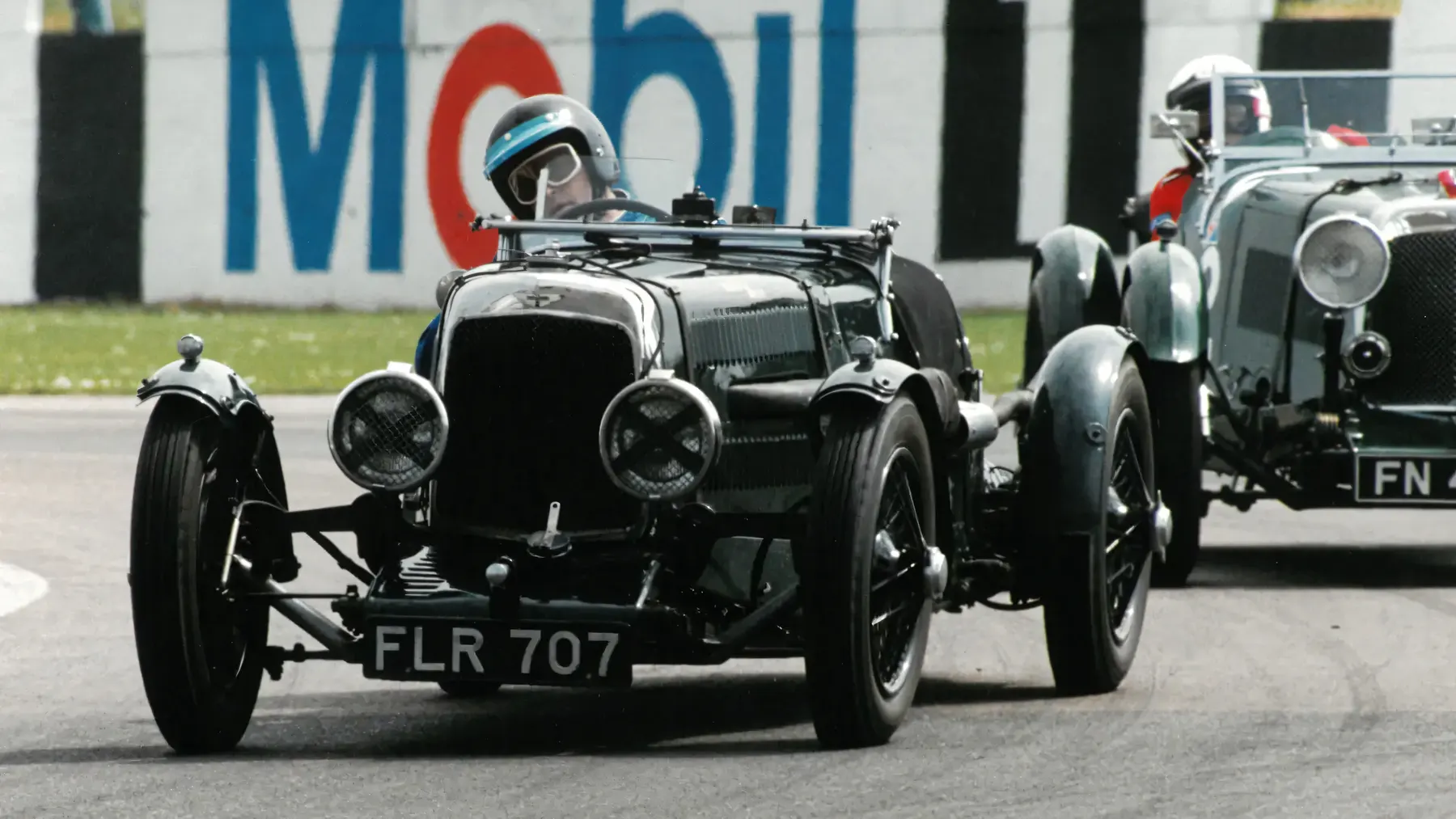
Just 31 examples were built across a production run that stretched from 1934 into 1936, which immediately positions the Ulster not as a volume model but as something closer to a bespoke racing tool available to those with the means and the inclination to use it properly. Aston Martin’s clientele at this price point were not passive collectors - they were racing drivers in the amateur and semi-professional sense of the era, men who entered their cars in the Tourist Trophy, the Mille Miglia, and Le Mans as a natural extension of owning them. The Ulster was priced and specified to meet those ambitions, and the factory supported competition entries with a seriousness that the small size of the operation made remarkable.
At Le Mans in 1935, the Ulster achieved arguably its finest collective result, with the leading example finishing third overall against considerably more powerful machinery. That an 1,100cc class car - competing in the 1,500cc category but outgunned by the multi-litre machines ahead - could finish on the overall podium spoke to the quality of the engineering, the aerodynamic efficiency of the lightweight body, and the endurance characteristics of the engine. The twin SU carburettor setup, which Aston Martin specifically cited in its advertising for maintaining tune and performance with “remarkable regularity,” proved itself in exactly the conditions where such claims are either validated or quietly forgotten.
Driving an Ulster demands the kind of engagement that modern cars have largely legislated out of existence. The steering is direct to the point of intimacy, communicating road texture and camber through the wheel with an immediacy that requires the driver to be present at all times. The gearbox, a four-speed unit, operates with a deliberate mechanical weight that rewards precise inputs and punishes lazy ones. The brakes, drum units all round, are adequate by the standards of their era but require planning rather than the instinctive late-braking habits that modern cars permit. This is not a criticism so much as an honest description of what the car asks of its driver - which is, specifically, that they drive it rather than merely steer it.
The limitations are real and worth stating plainly. The 1.5-litre engine, for all its refinement, is not a powerful unit by any absolute measure, and the Ulster’s performance envelope requires the driver to commit fully to extracting what the car offers rather than relying on a reserve of torque to paper over errors. The cockpit dimensions are unforgiving for anyone of larger build, and the weather protection - such as it is - belongs firmly to an era before motoring comfort was considered a reasonable expectation. Reliability, while better than the Ulster’s more exotic contemporaries, still demanded the kind of mechanical attentiveness that modern historic racing regulations and support infrastructure now partially compensate for.
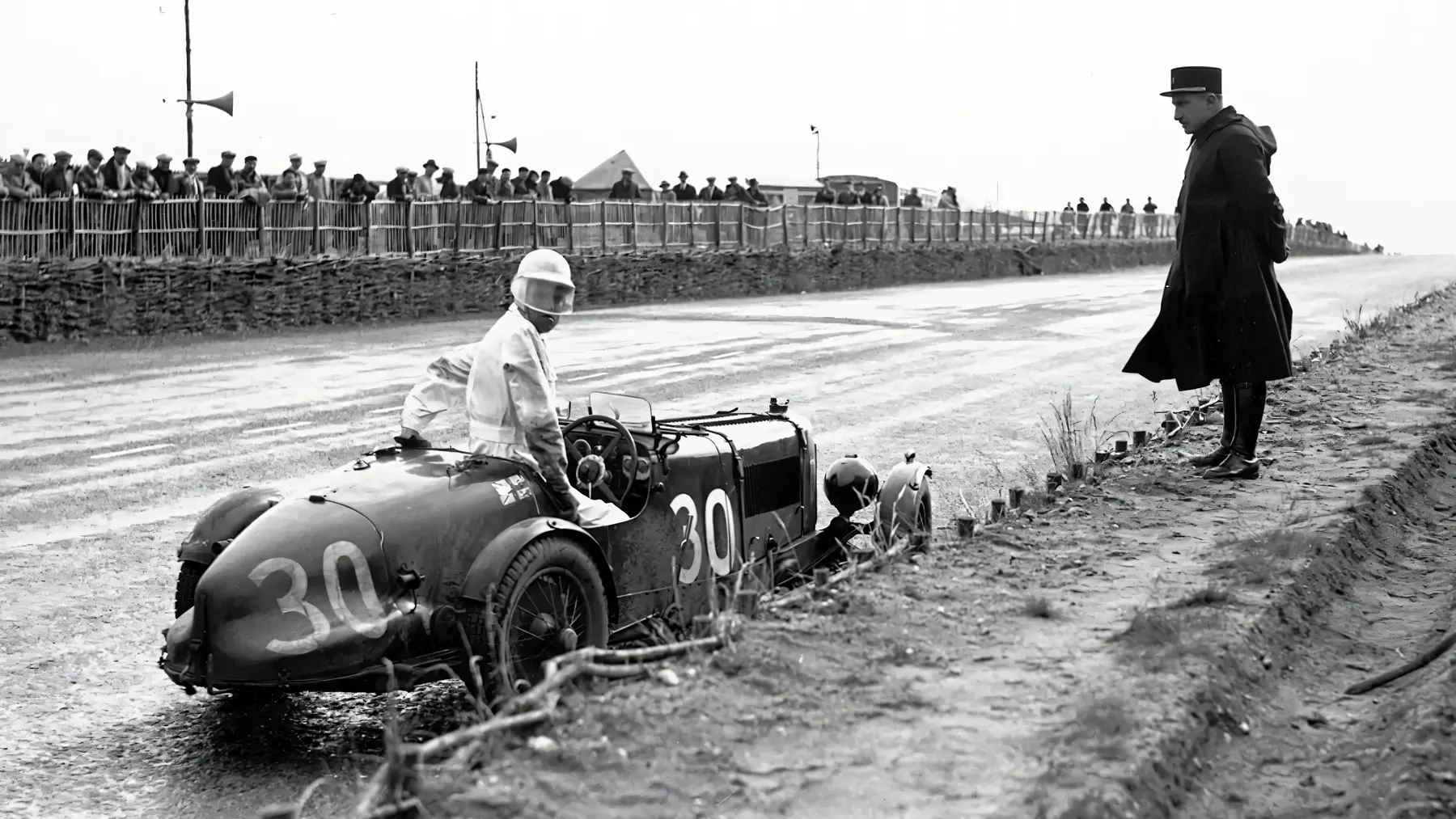
What the Ulster established, however, was a template for what Aston Martin could be at its best: a manufacturer willing to back its engineering claims with competitive results rather than brochure prose, and capable of building a car that was genuinely faster than its displacement suggested it had any right to be. The lineage from the Ulster to the postwar DB series is not a straight line - the company went through enough ownership changes and financial crises to bend any lineage considerably - but the philosophical continuity is evident. The commitment to lightweight construction, to driver involvement, to getting more from less rather than simply adding more, runs through Aston Martin’s finest work in a thread that the Ulster helped establish.
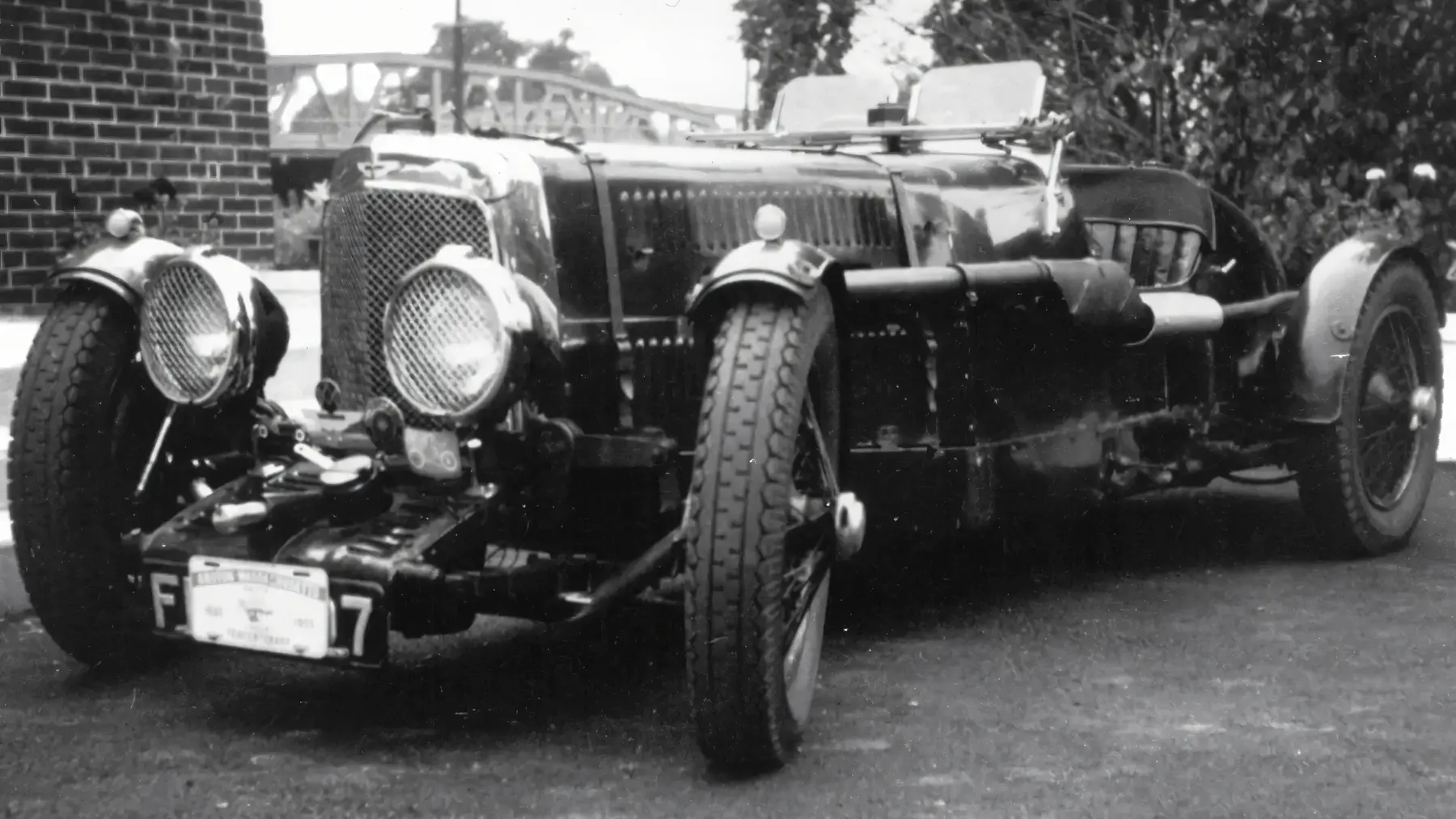
With only an estimated 28 of the original 31 thought to survive, the Ulster occupies a position in the pre-war British sports car canon that is simultaneously fragile and unassailable. Fragile because the attrition of nine decades leaves little margin for further loss; unassailable because what these cars achieved at Le Mans and the Mille Miglia cannot be retrospectively diminished. The historic motorsport community has recognised the Ulster’s credentials accordingly - VSCC eligibility, acceptance at the most competitive pre-war events, and a standing among marque historians that places it at the apex of Bertelli-era Aston Martin production.
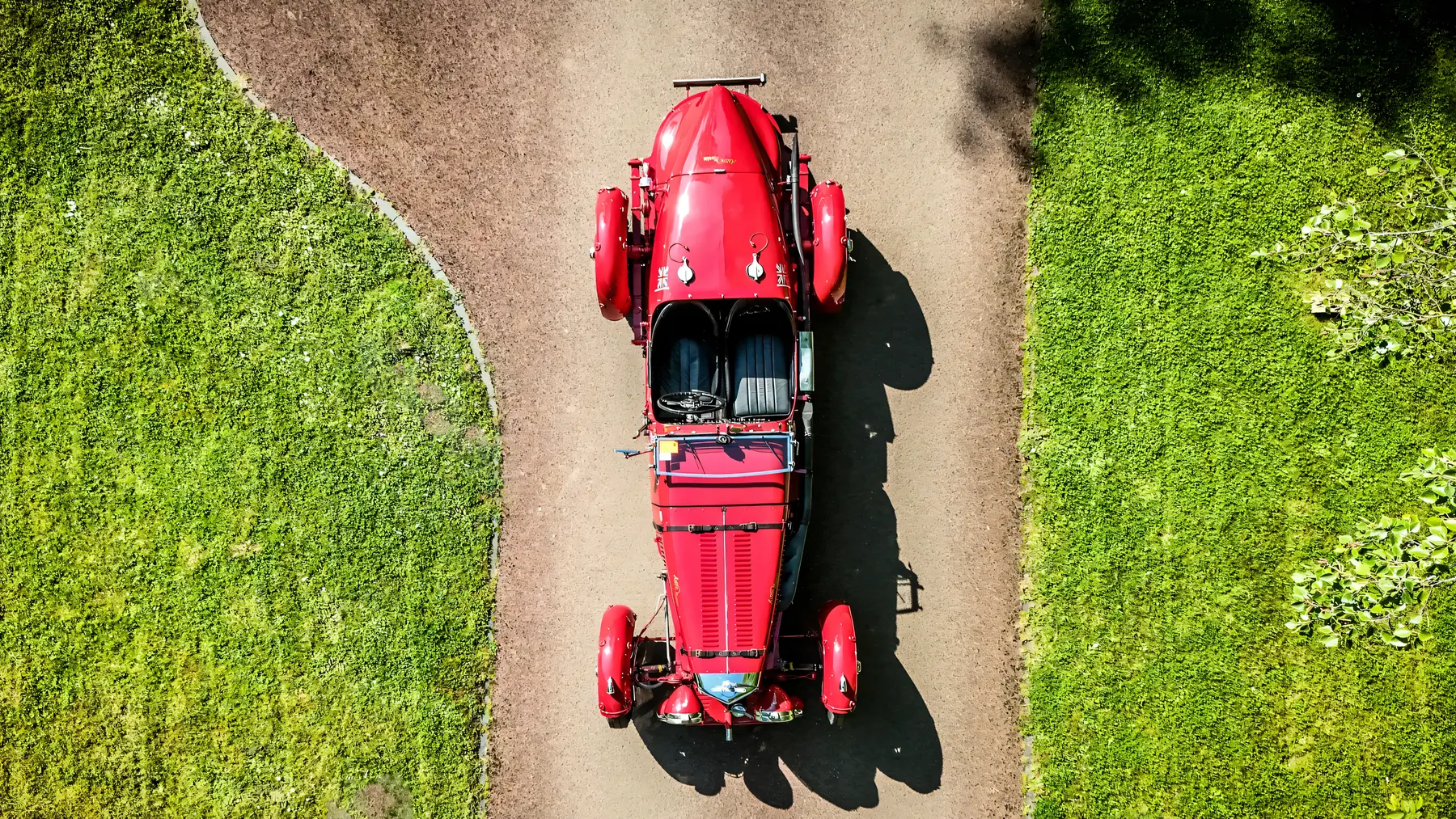
That a car guaranteed to reach 100 miles per hour on a 1.5-litre engine in 1934 is still being raced competitively nearly a century later is not a coincidence. It is the direct consequence of having been built, as the original advertisement promised, with precision - and having that precision hold.