2010 Ferrari 458 Italia 'Army'
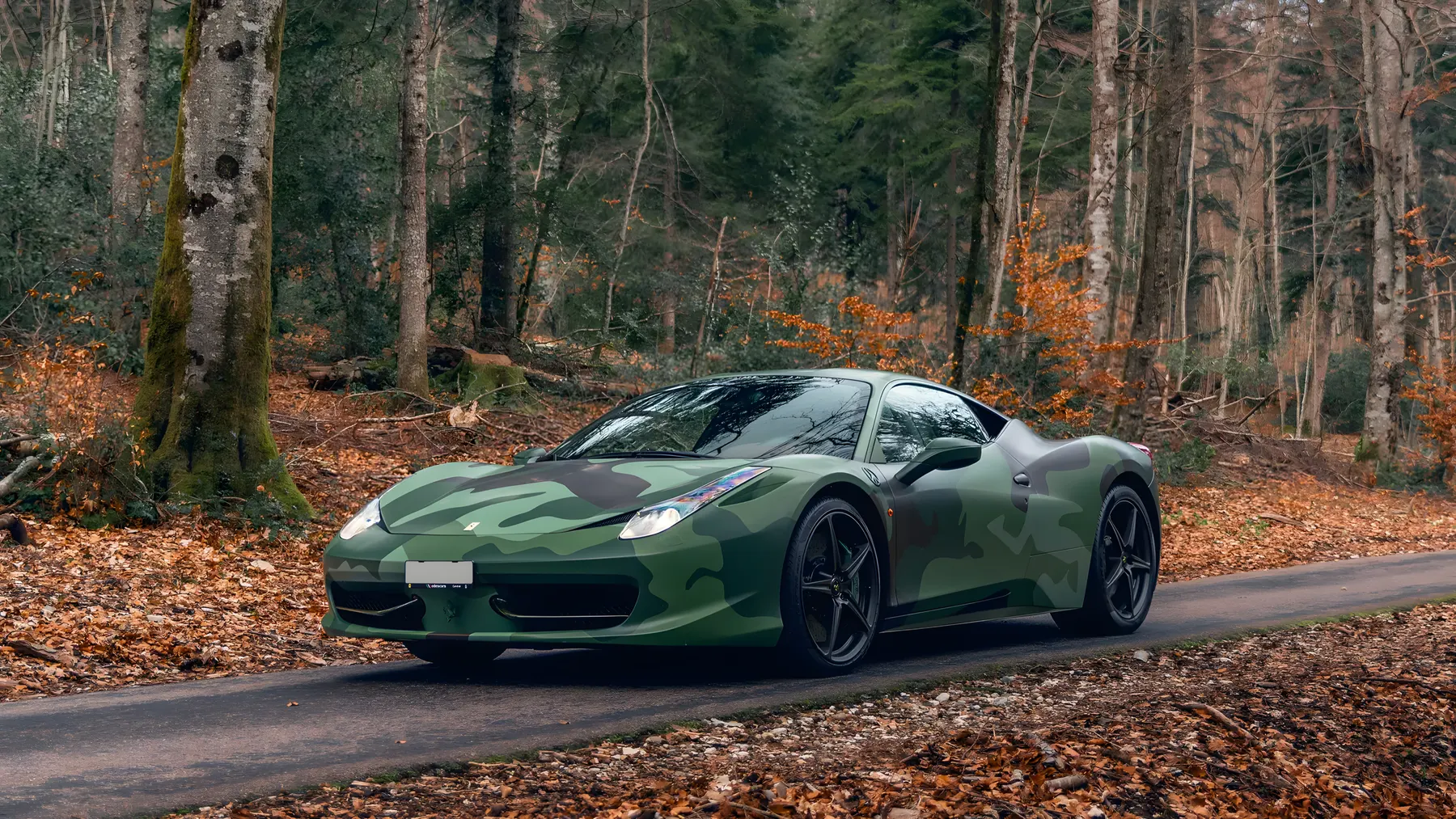
The Ferrari 458 Italia arrived in 2009 as a game-changer for the brand, blending race-track DNA with everyday usability in a way that redefined what a modern supercar could be. Replacing the F430 this mid-engine V8 wasn’t just an update, it was a clean-sheet design that borrowed heavily from Ferrari’s Formula 1 program. From its debut at the Frankfurt Motor Show, the 458 stood out as a car built by engineers who understood both speed and driver engagement.
Ferrari broke new ground with the 458’s aerodynamics. The front end featured hidden winglets that flattened at high speeds to slice through air, while the sculpted body channeled airflow to create genuine downforce without relying on a massive rear spoiler. Pininfarina’s design team, led by Donato Coco, gave it a taut profile that nodded to the Enzo Ferrari supercar but felt thoroughly modern. The cab-forward cockpit placed the driver in a fighter jet-like environment, with nearly every control,turn signals, wipers, even the headlights,mounted on the steering wheel. This layout came directly from feedback by Michael Schumacher, who helped Ferrari’s engineers prioritize function during intense driving.
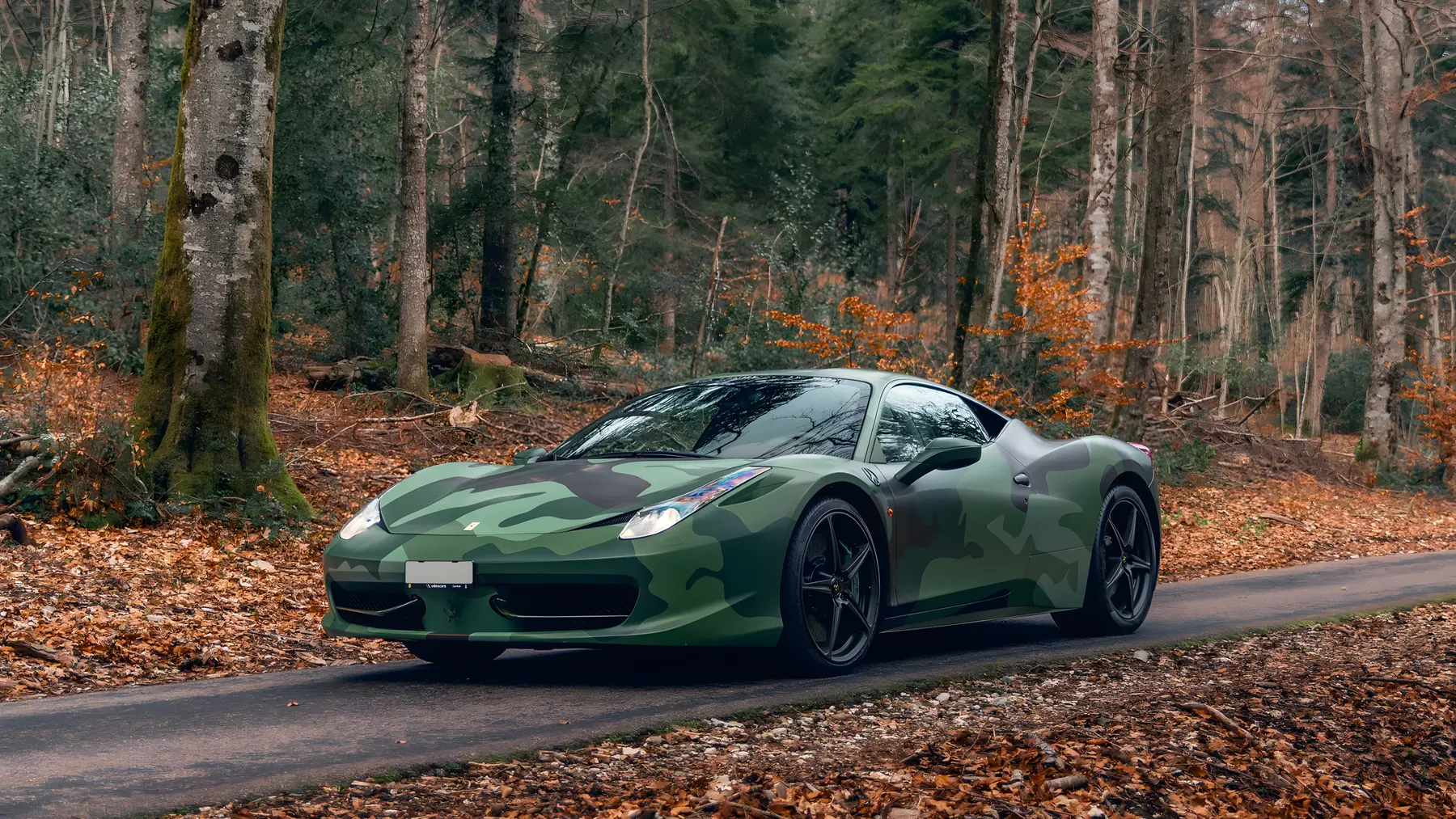
Under the rear glass sat a 4.5-liter V8 that screamed to a 9,000 rpm redline, delivering 562 horsepower through a seven-speed dual-clutch gearbox. The engine’s direct fuel injection and flat-plane crank gave it razor-sharp throttle response, hitting 60 mph in 3.4 seconds on its way to a 202 mph top speed. What made the 458 special wasn’t just the numbers, but how accessible the performance felt. The magnetorheological suspension adapted to road conditions in milliseconds, while the electronic differential and torque vectoring made cornering feel intuitive rather than intimidating.
Ferrari didn’t skimp on stopping power either. Carbon-ceramic brakes came standard, using a clever prefill system that kept the pads close to the rotors during deceleration. This tech, borrowed from racing, cut the 62-0 mph distance to just 107 feet,a figure that embarrassed some dedicated track cars.
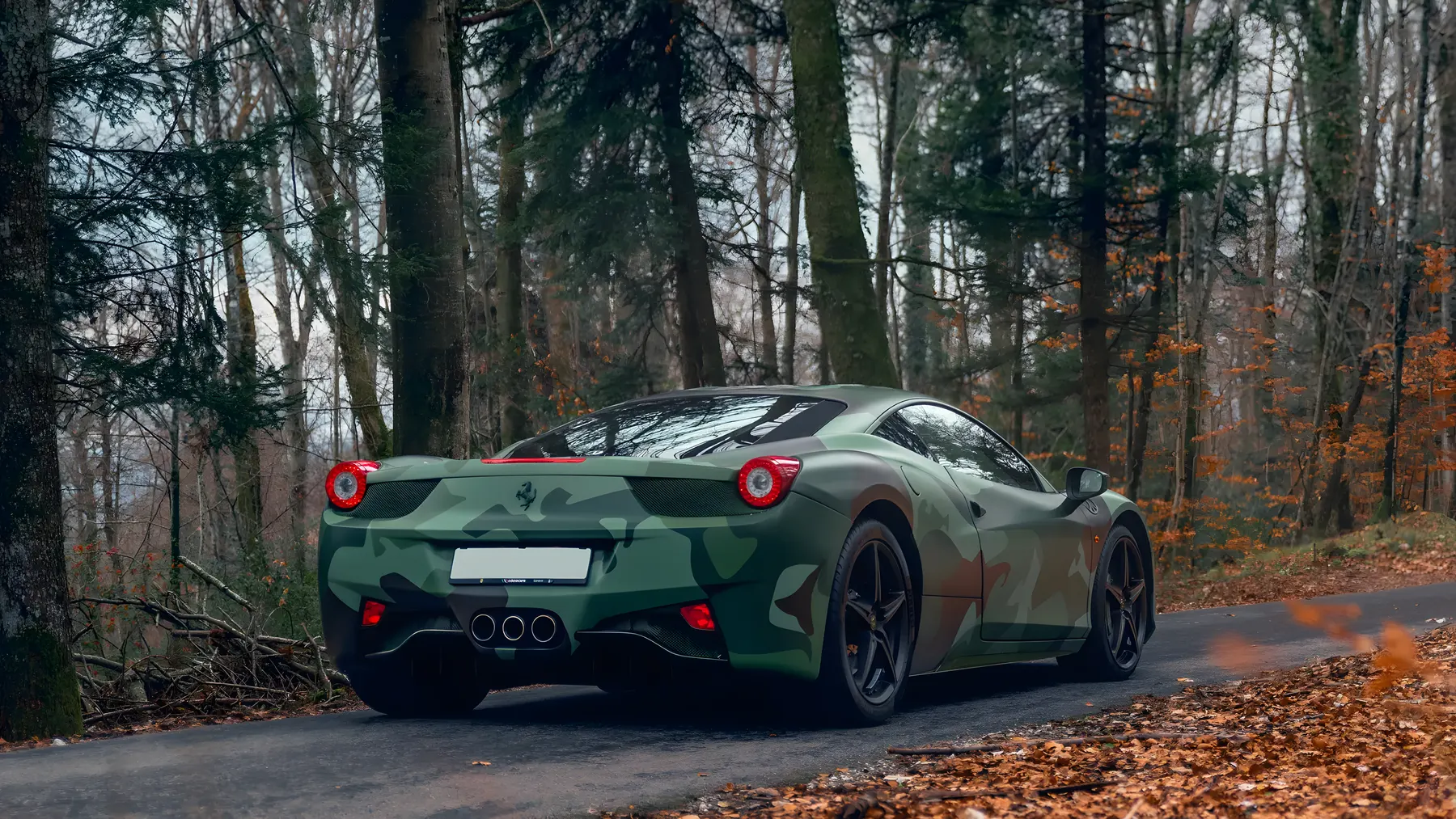
The 458’s reception wasn’t entirely smooth. Early models gained notoriety when several cars caught fire due to overheating adhesive in the wheel arches, leading to a 2010 recall. Ferrari handled it by replacing affected vehicles outright and redesigning the components, a move that preserved the model’s reputation. Later, a 2012 recall addressed rare engine seizures caused by crankshaft issues. Despite these hiccups, the automotive press lavished praise on the 458. It scooped up awards including Motor Trend’s “Best Driver’s Car” and Top Gear’s “Supercar of the Year,” with reviewers celebrating its balance between daily drivability and track readiness.
Culturally, the 458 became an icon of its era. It starred in video games like Forza Motorsport 4, while die-cast makers Hot Wheels and Bburago rushed to produce detailed scale models. The Spider convertible variant, introduced in 2011, turned heads with its retractable hardtop that stowed without compromising trunk space,a rare practicality in the supercar world.
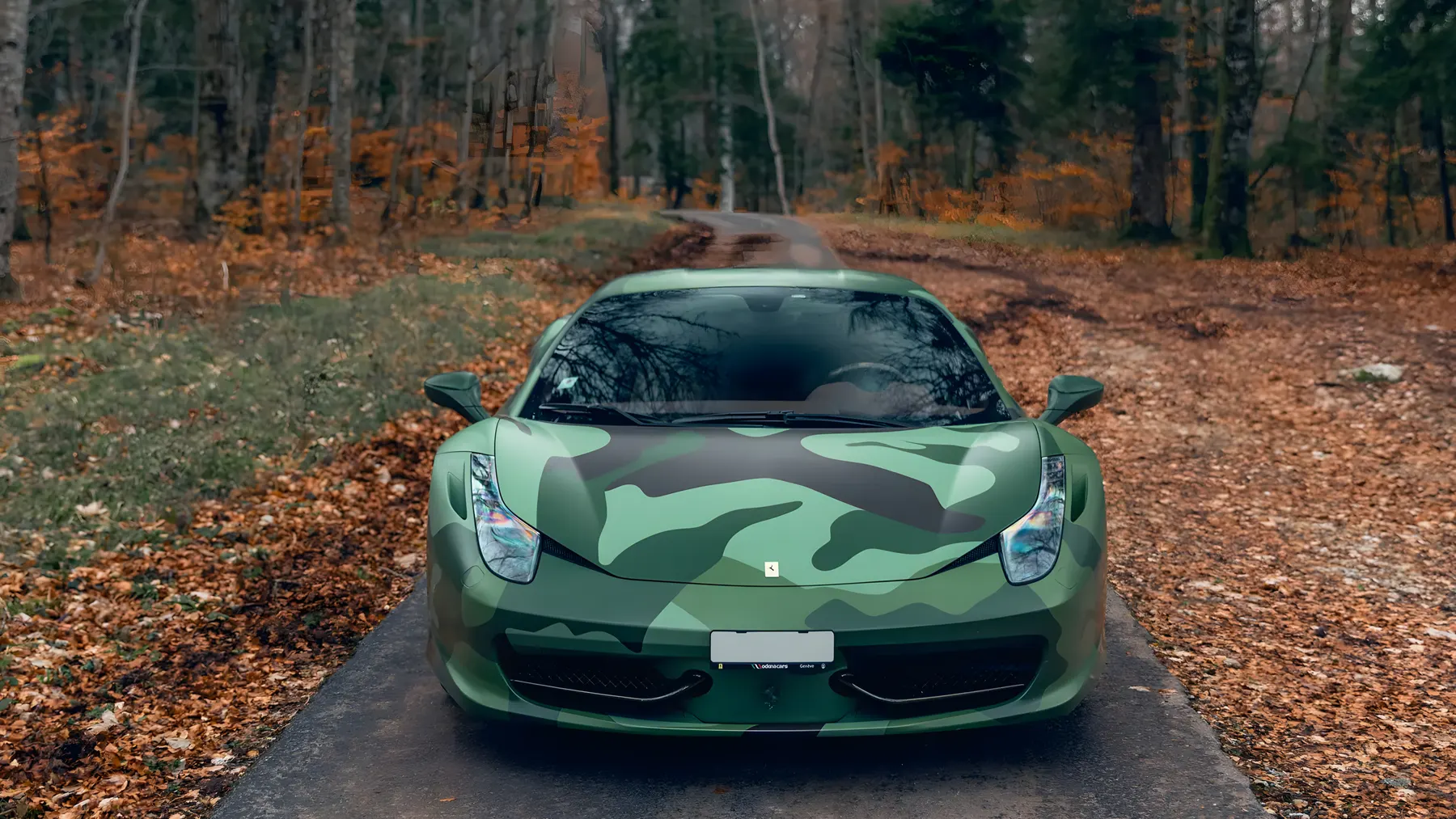
When Ferrari replaced the 458 with the turbocharged 488 GTB in 2015, enthusiasts mourned the loss of its naturally aspirated engine’s visceral scream. Today, the 458 Italia remains a benchmark for analog engagement in the digital age,a car that demanded skill but never punished drivers, wrapped in a package that looked fast standing still. Its legacy lives on in the second-hand market, where well-kept examples command strong prices, and in the memories of anyone who’s ever blipped its throttle to hear that glorious V8 wail.