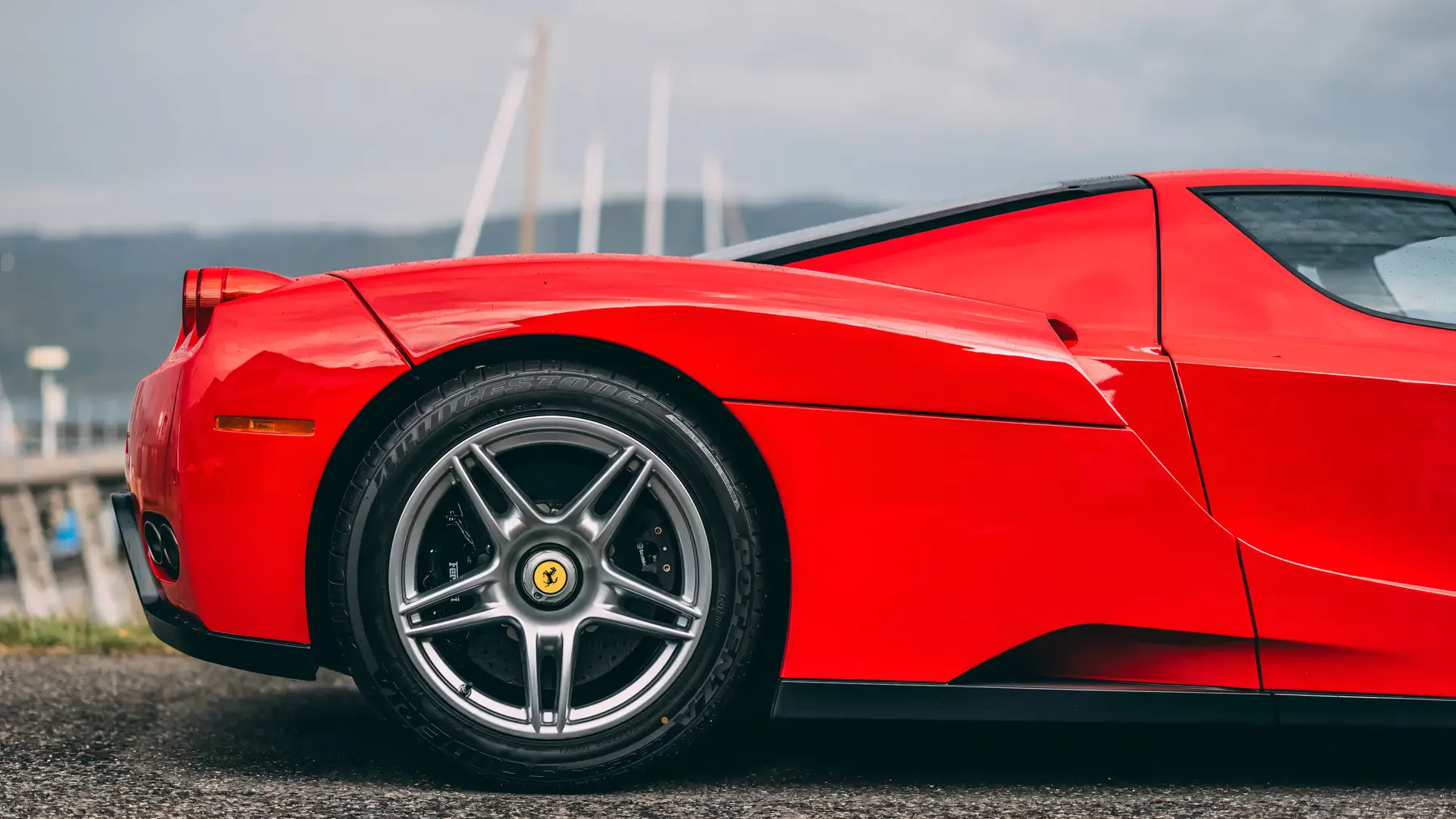
2003 Ferrari Enzo
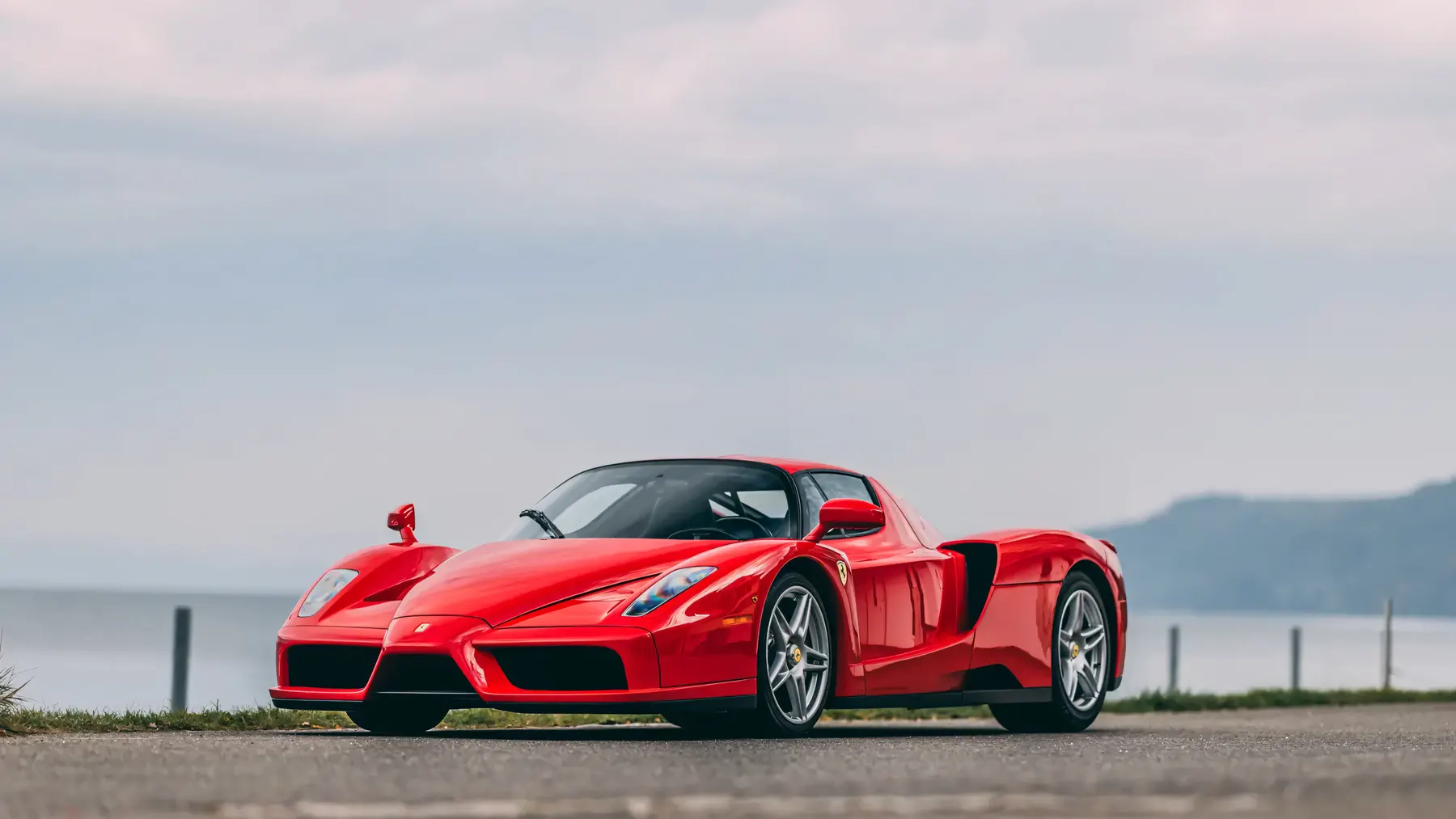
The Ferrari Enzo, also known as the Type F140, was created as a tribute to the company’s founder, Enzo Ferrari. Unveiled in 2002, it was Ferrari’s most advanced road car at the time, borrowing heavily from their Formula 1 expertise. It incorporated cutting-edge technology, a powerful naturally aspirated V12 engine, and a striking design by Ken Okuyama of Pininfarina. Let’s take a closer look at what made the Ferrari Enzo such an iconic hypercar.
At the heart of the Ferrari Enzo is the F140 B V12 engine, which marked the beginning of a new generation of Ferrari engines. This 6.0-liter, naturally aspirated V12 produces a whopping 660 PS (651 hp) at 7,800 rpm and 657 Nm (485 lb-ft) of torque at 5,500 rpm, delivering blistering performance. The engine is mated to a six-speed automated manual transmission, known as the F1 gearbox, which shifts gears in just 150 milliseconds, giving the driver a seamless and fast-paced driving experience. Ferrari engineered the Enzo for acceleration, and it shows in the numbers:
-
0-100 km/h: 3.65 seconds
-
0-161 km/h (0-100 mph): 6.6 seconds
-
Top speed: 355 km/h (221 mph)
-
Quarter-mile time: About 11 seconds
The gear ratios were meticulously crafted to get the most out of the engine, with a final drive ratio of 4.1:1 ensuring that power was consistently delivered to the rear wheels. The paddle shifters made it easy for drivers to control the gearbox without taking their hands off the steering wheel, and LED shift lights on the wheel indicated the optimal time to change gears.
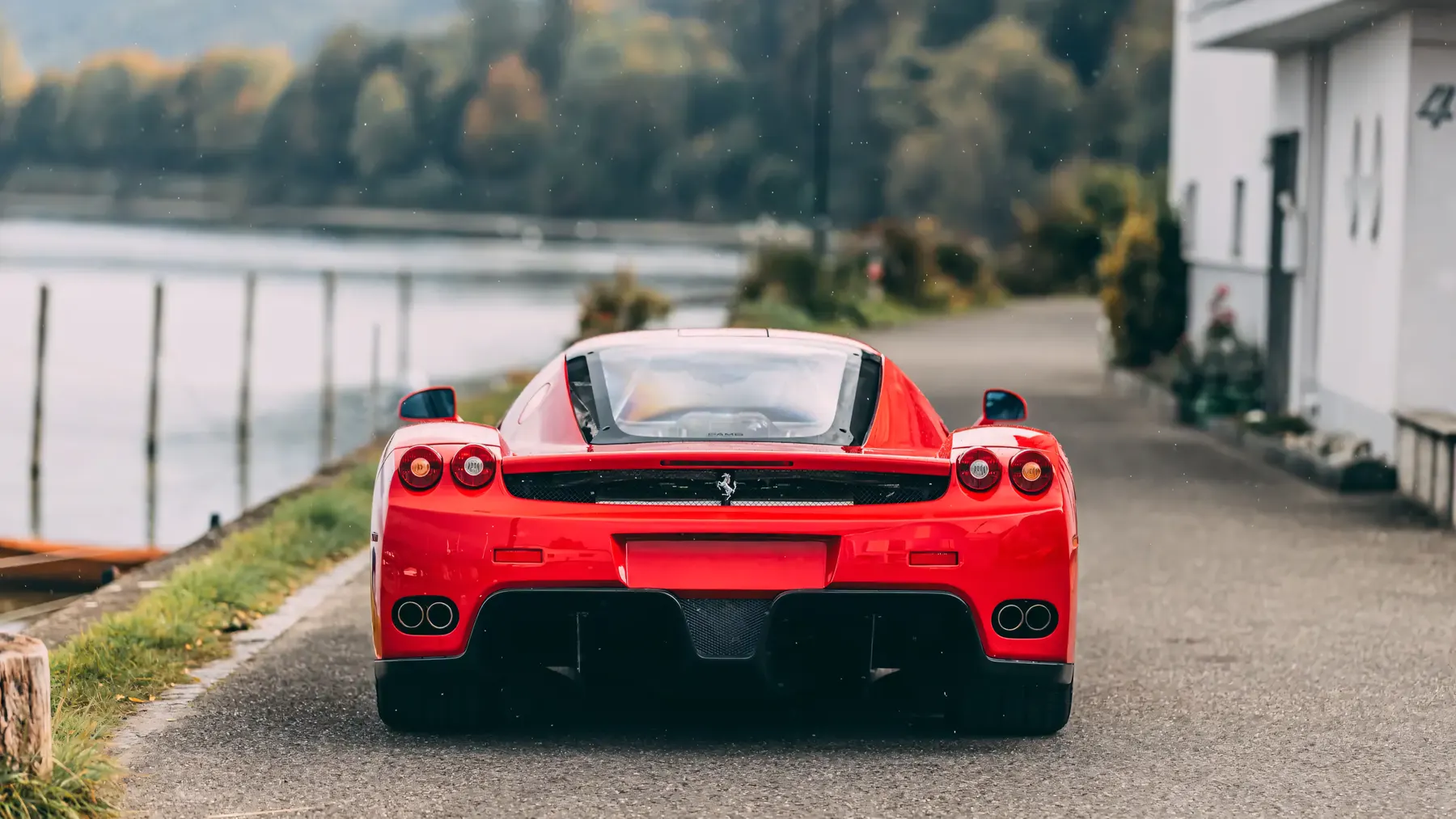
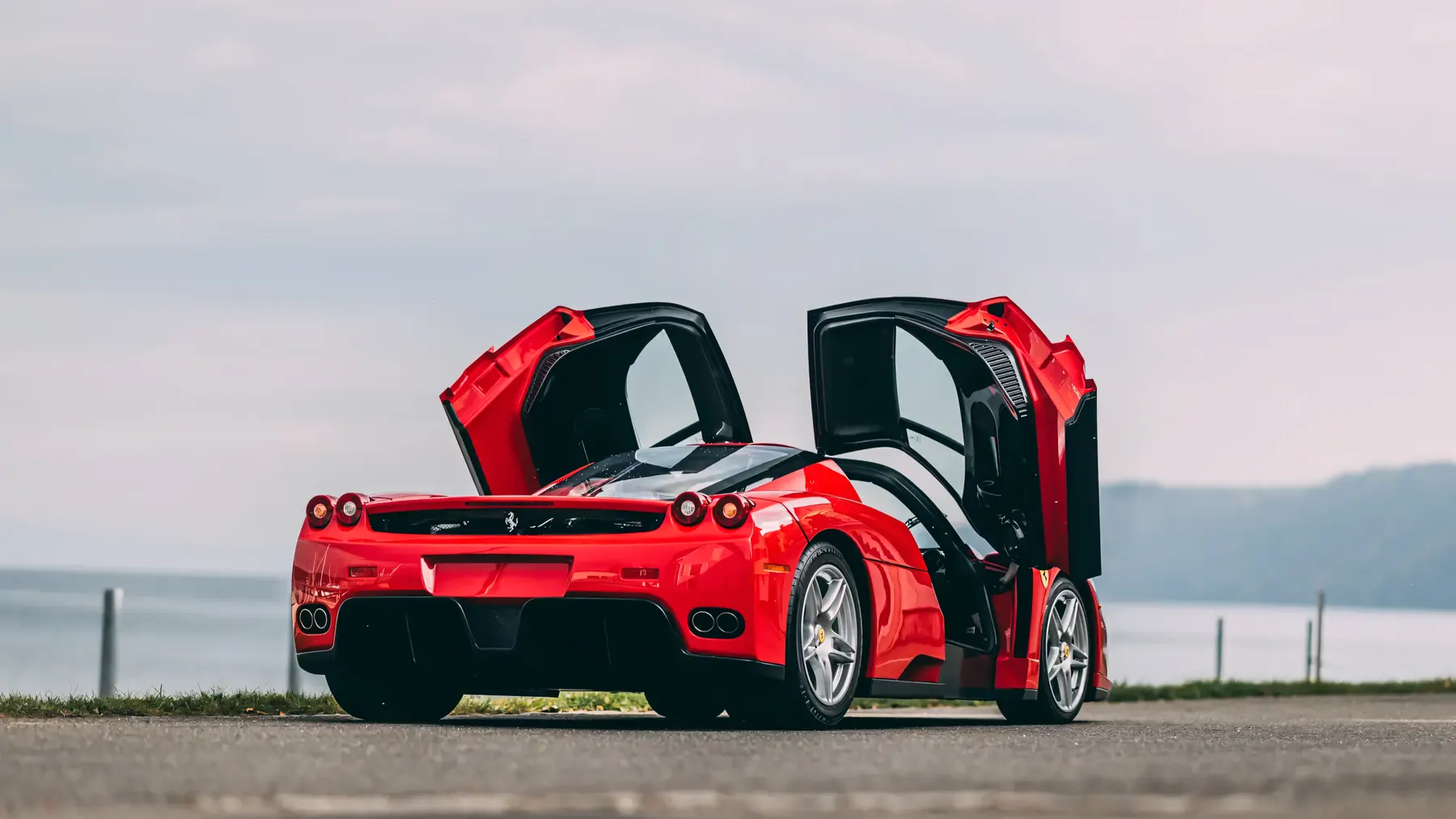
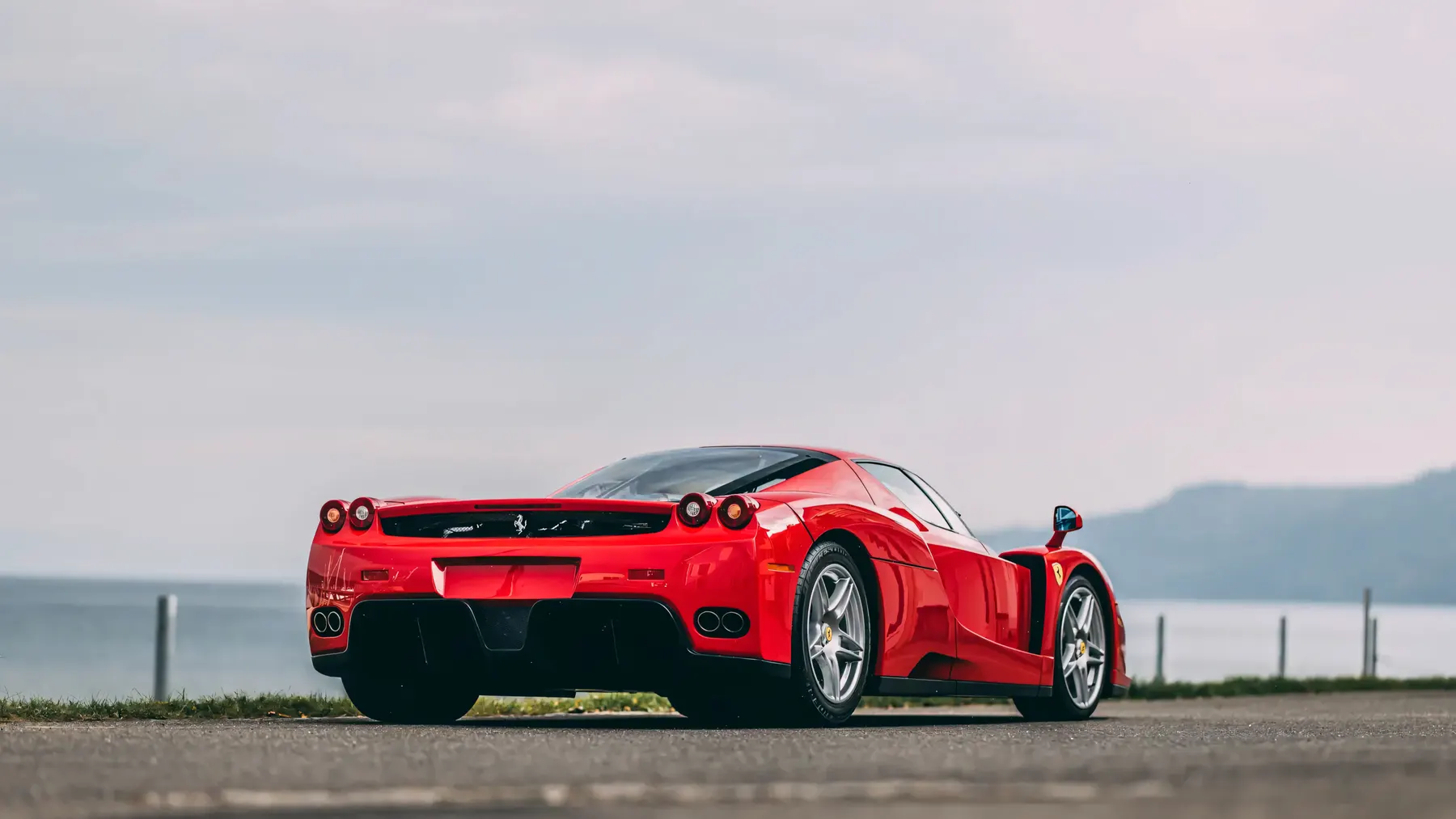
One of the standout features of the Ferrari Enzo is its focus on aerodynamics. Unlike its predecessors, the Enzo did not need a large fixed rear wing, as its aerodynamics were engineered into the body. The underbody flaps, rear spoiler, and rear diffuser worked together to generate massive amounts of downforce, which helped keep the car stable at high speeds. At 300 km/h (186 mph), the Enzo produces 775 kg (1,709 lb) of downforce, while at top speed, it still generates an impressive 585 kg (1,290 lb). This downforce is essential for a car capable of reaching speeds north of 350 km/h.
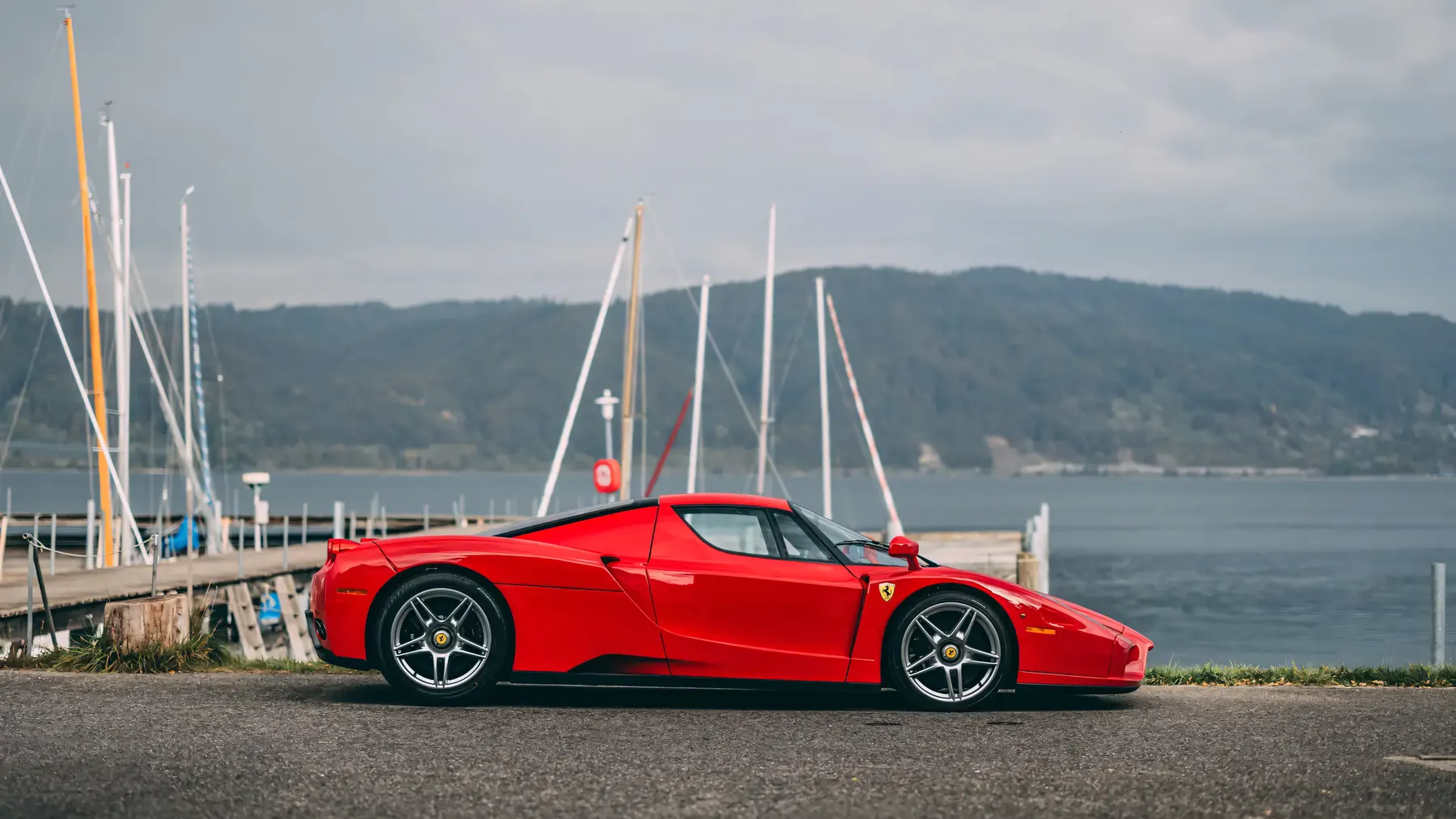
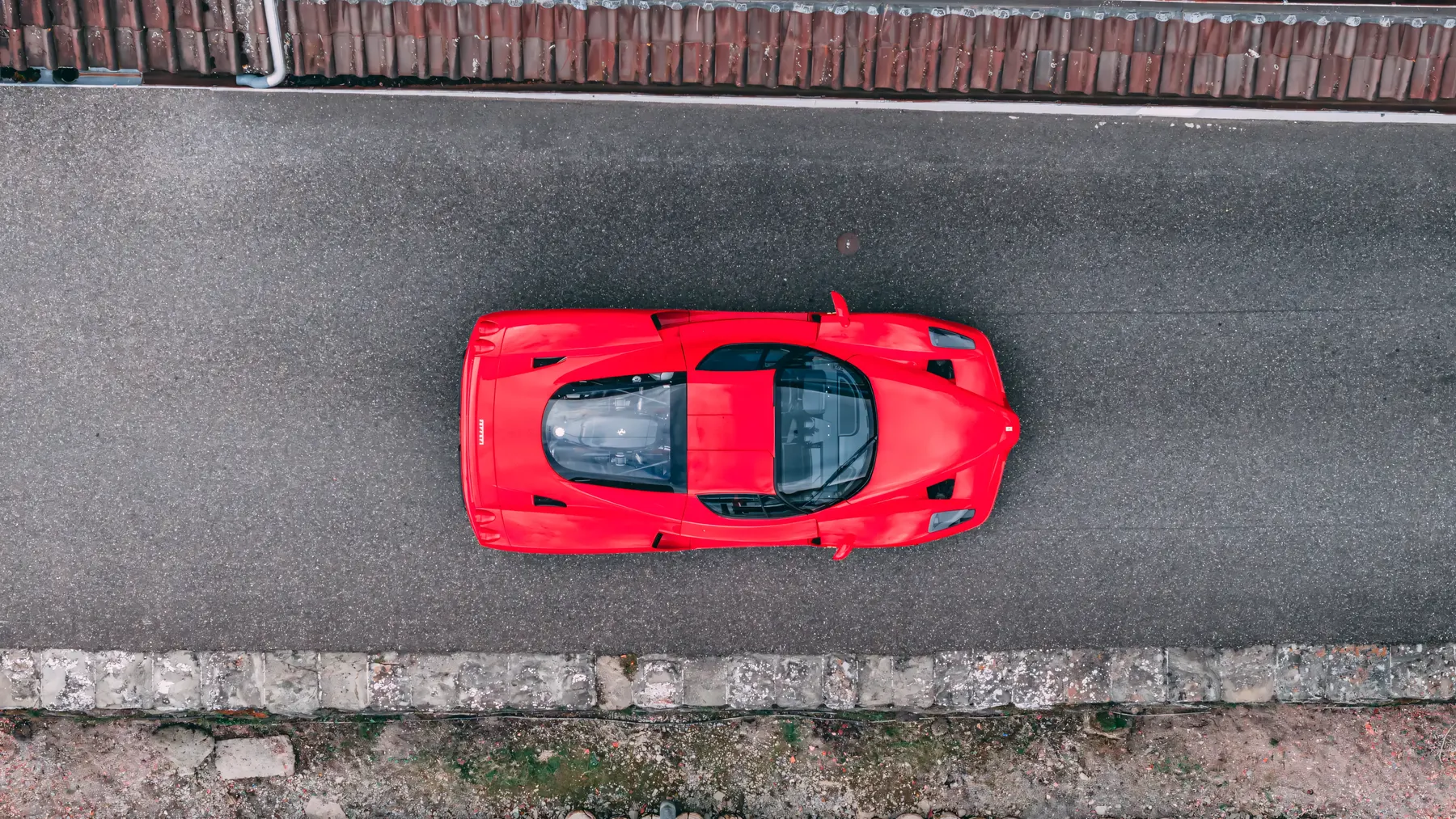
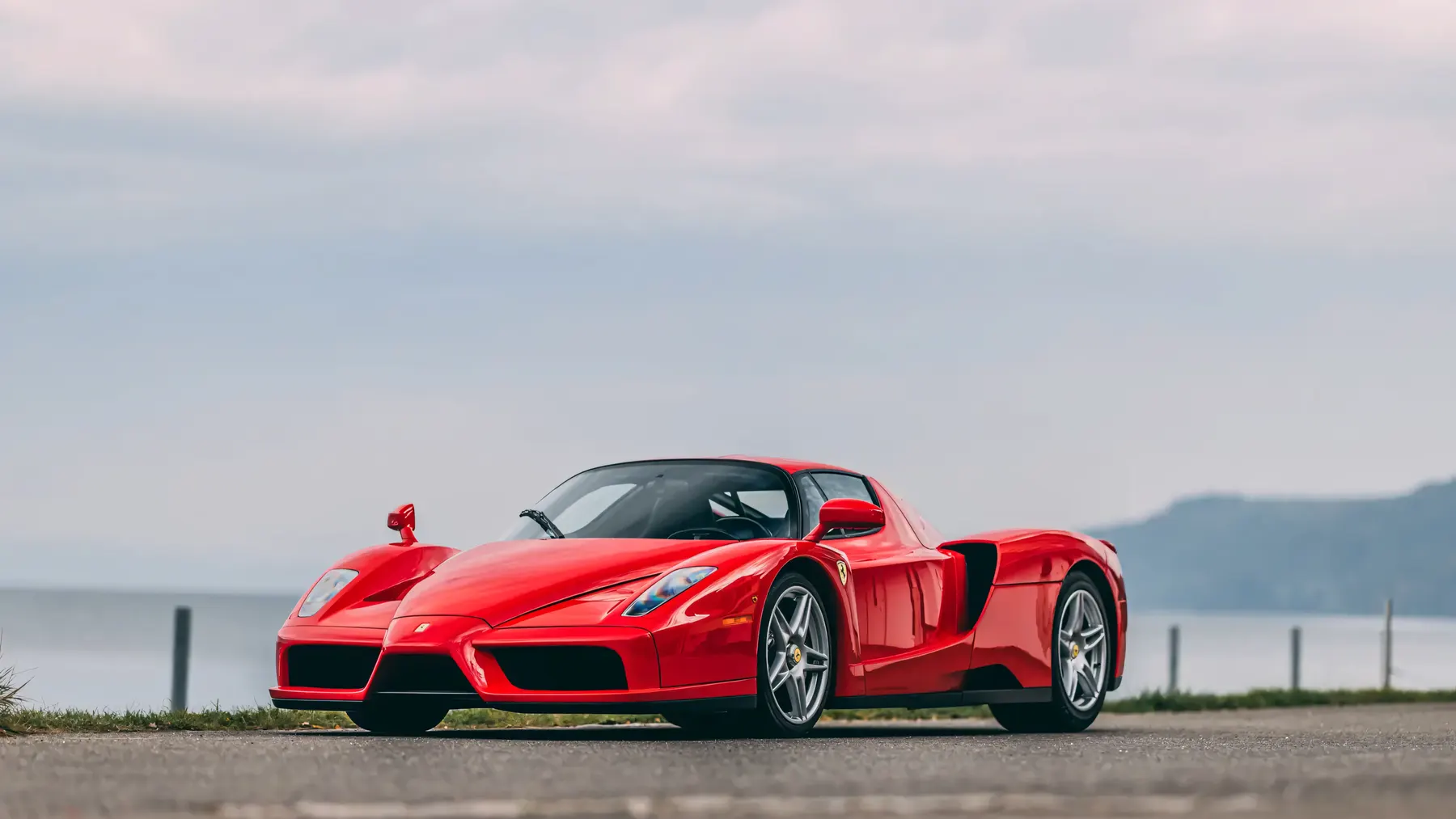
Ken Okuyama’s design is an iconic blend of aggressive lines and functional aerodynamics. The car’s sharp front end, V-shaped hood, and sculpted side scoops give it an unmistakable presence. Some critics, however, found the design a bit over-the-top, with Bloomberg Businessweek even listing it among the “Fifty Ugliest Cars” due to its flashy curves and angles.
The Enzo was built on a carbon-fibre monocoque chassis, which was cutting-edge for its time. The carbon-fibre construction helped keep the car’s weight down to 1,480 kg (3,263 lb), giving it a remarkable power-to-weight ratio.
The suspension system was another highlight of the car. The push-rod actuated shock absorbers were adjustable from the cabin, allowing the driver to change the car’s suspension settings depending on driving conditions. This race-derived system was complemented by double wishbones at all four corners, ensuring that the Enzo could handle high-speed cornering with ease.
The braking system on the Enzo was as advanced as the rest of the car. It was the first Ferrari road car to feature carbon-ceramic disc brakes,Brembo-sourced 15-inch (381 mm) carbon-ceramic brake discs that offered unparalleled stopping power and resistance to fade. These brakes were paired with 19-inch wheels fitted with Bridgestone Potenza Scuderia RE050A tires, which ensured optimal grip even under extreme driving conditions.
Inside, the Enzo had a no-frills, race-car-inspired interior. Most surfaces were finished in carbon fibre, including the seat structures, which helped reduce weight. The cabin lacked luxuries like a stereo or electric windows,everything was designed with performance in mind. The driver-focused F1-style steering wheel housed the gear shift paddles and LED indicators, making it easy to control the car at high speeds.
Ferrari produced only 399 units of the Enzo, and each one was offered to Ferrari’s most loyal customers,those who had previously owned the Ferrari F40 and F50. A final 400th Enzo was produced in 2004 and donated to the Vatican for charity, later fetching $1.1 million at auction. In total, Ferrari built 498 cars, including several development mules.
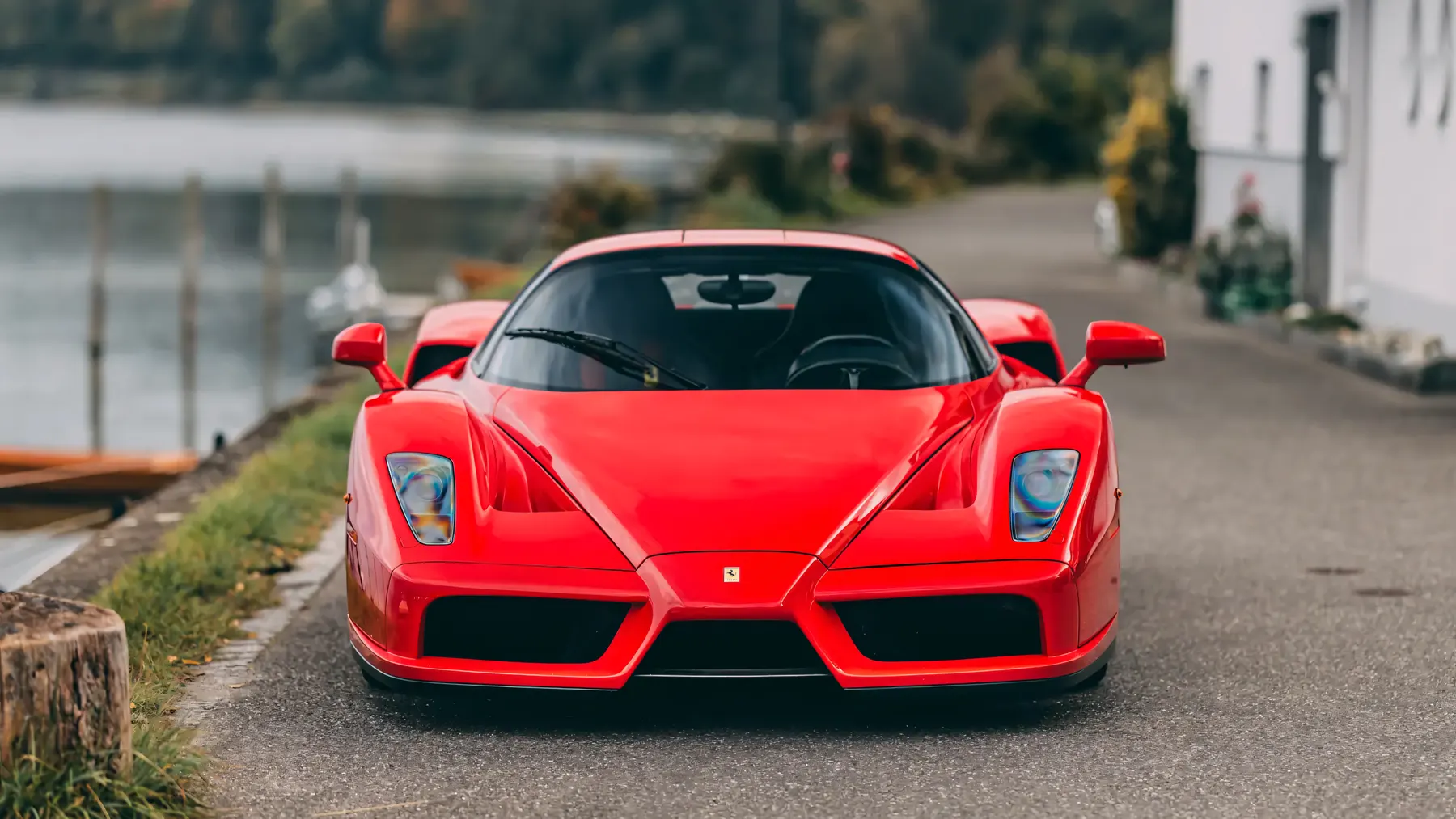
The Ferrari Enzo cemented its place in automotive history not just through its performance but also through its exclusivity. It was the last naturally aspirated hypercar Ferrari would produce, marking the end of an era. Its performance was tested at famous circuits like the Nürburgring, where it clocked a 7:25.21 lap time, even with a broken electronic damper during the test.
Despite its incredible capabilities, the Ferrari Enzo did face some criticism. The first-generation F1 gearbox, while fast, was known for its harsh, abrupt shifts. This was a common complaint from drivers, especially when compared to the smoother dual-clutch transmissions that came later.
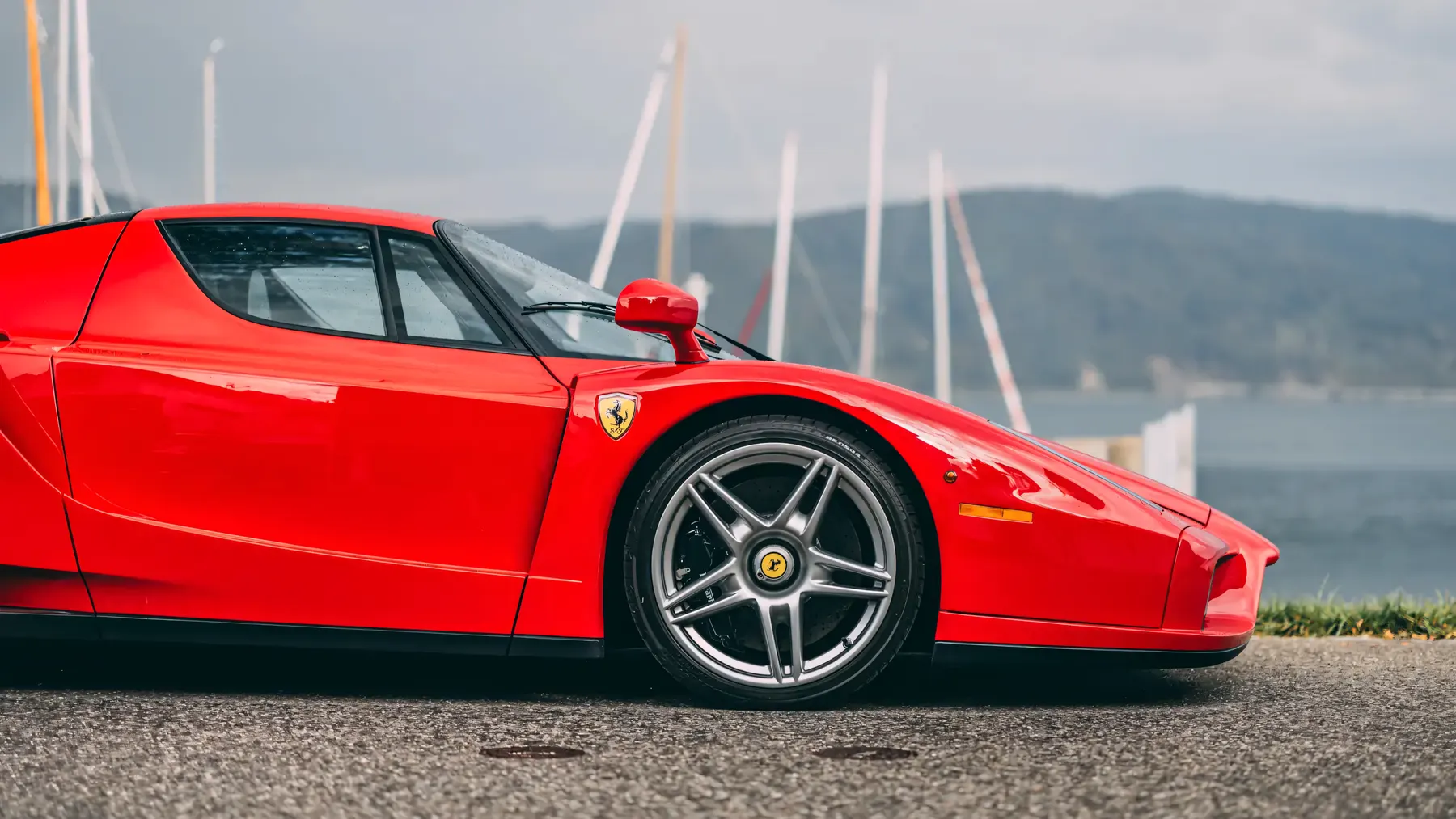
Some also criticised the car’s design. While praised by many, others found its aesthetic to be too aggressive and flashy. Its unconventional lines and angles earned it a spot on a list of the “Fifty Ugliest Cars” by Bloomberg Businessweek, though this did little to tarnish the Enzo’s reputation among Ferrari enthusiasts.
The Ferrari Enzo was a statement of Ferrari’s dominance in the world of high-performance cars. It was a technological marvel, showcasing the brand’s Formula One expertise in a road car. With its cutting-edge aerodynamics, blistering performance, and exclusivity, the Enzo remains one of the most iconic hypercars in Ferrari’s history. Although it had its quirks, the Enzo solidified its place as a true driver’s car and a milestone in automotive engineering.