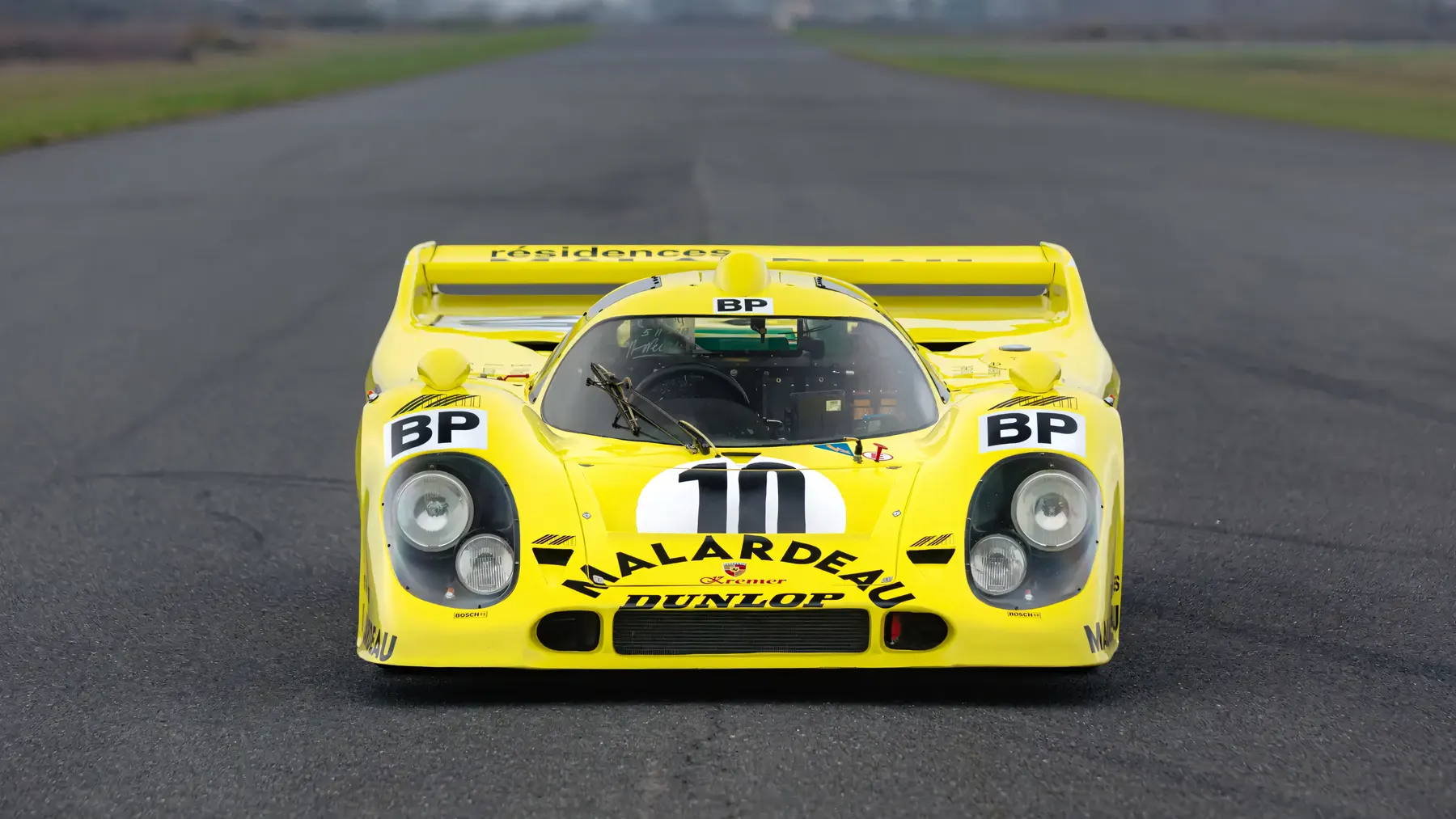
1981 Porsche 917 K-81
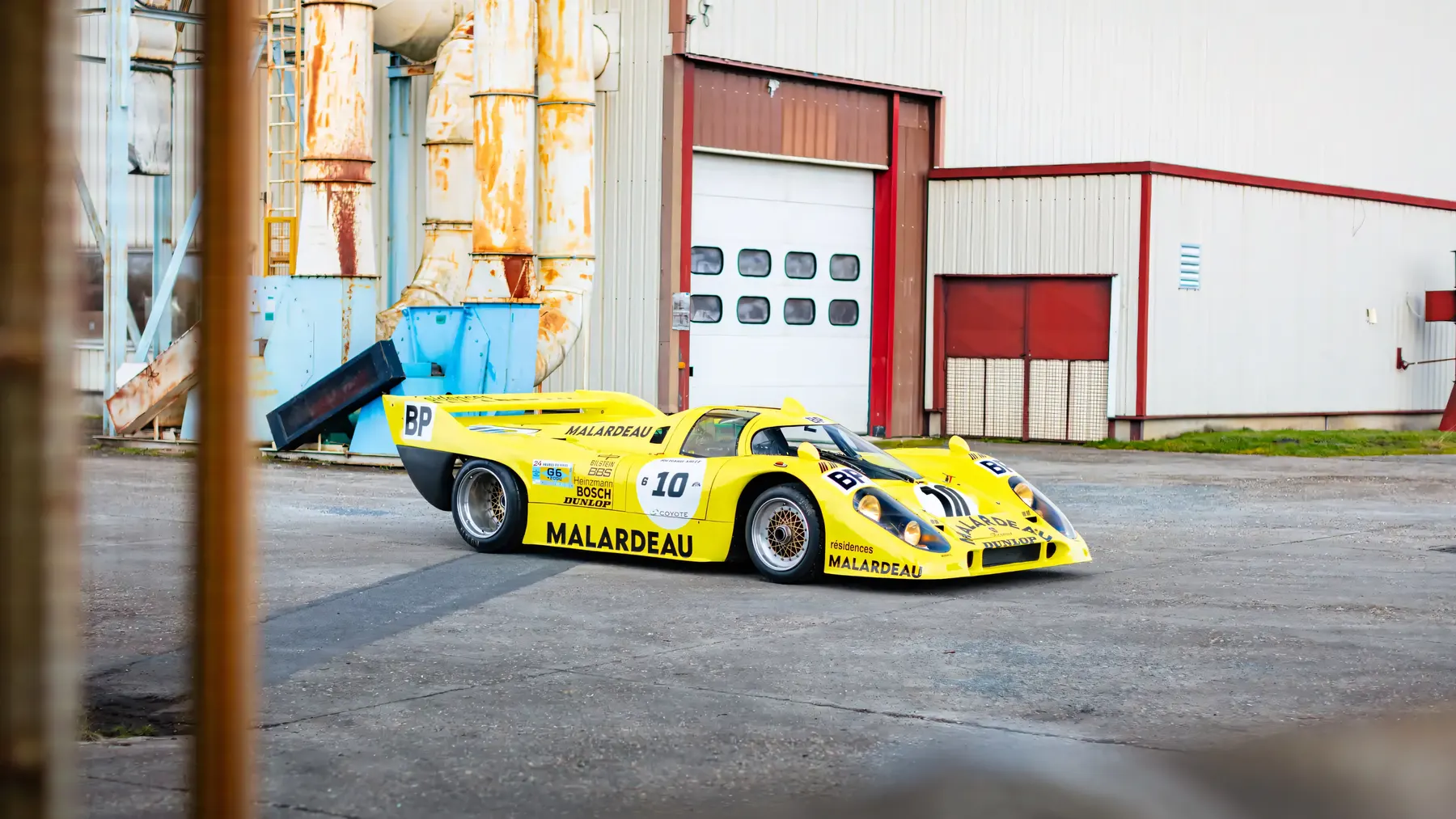
In the annals of motorsport history, few cars command the reverence of the Porsche 917. Yet, its 1981 resurrection as the 917 K-81 stands as one of the most intriguing chapters in this iconic machine’s story. Developed during a regulatory twilight between Group 5’s fire-breathing prototypes and the emerging Group C era, the K-81 represented Porsche’s audacious attempt to keep its legendary 917 relevant in a changing racing landscape.
The K-81 emerged from a perfect storm of circumstances. As the FIA prepared to implement fuel-efficient Group C regulations for 1982, 1981 became a transitional year with relaxed homologation rules. Kremer Racing, the privateer team famous for its Porsche expertise, saw an opportunity. Partnering with Porsche engineers, they reimagined the 917,a car that had dominated Le Mans in 1970-71,for modern competition. The goal was audacious: adapt the 917’s air-cooled flat-12 architecture to challenge newer water-cooled prototypes like the Lancia Beta Montecarlo Turbo and Rondeau M382.
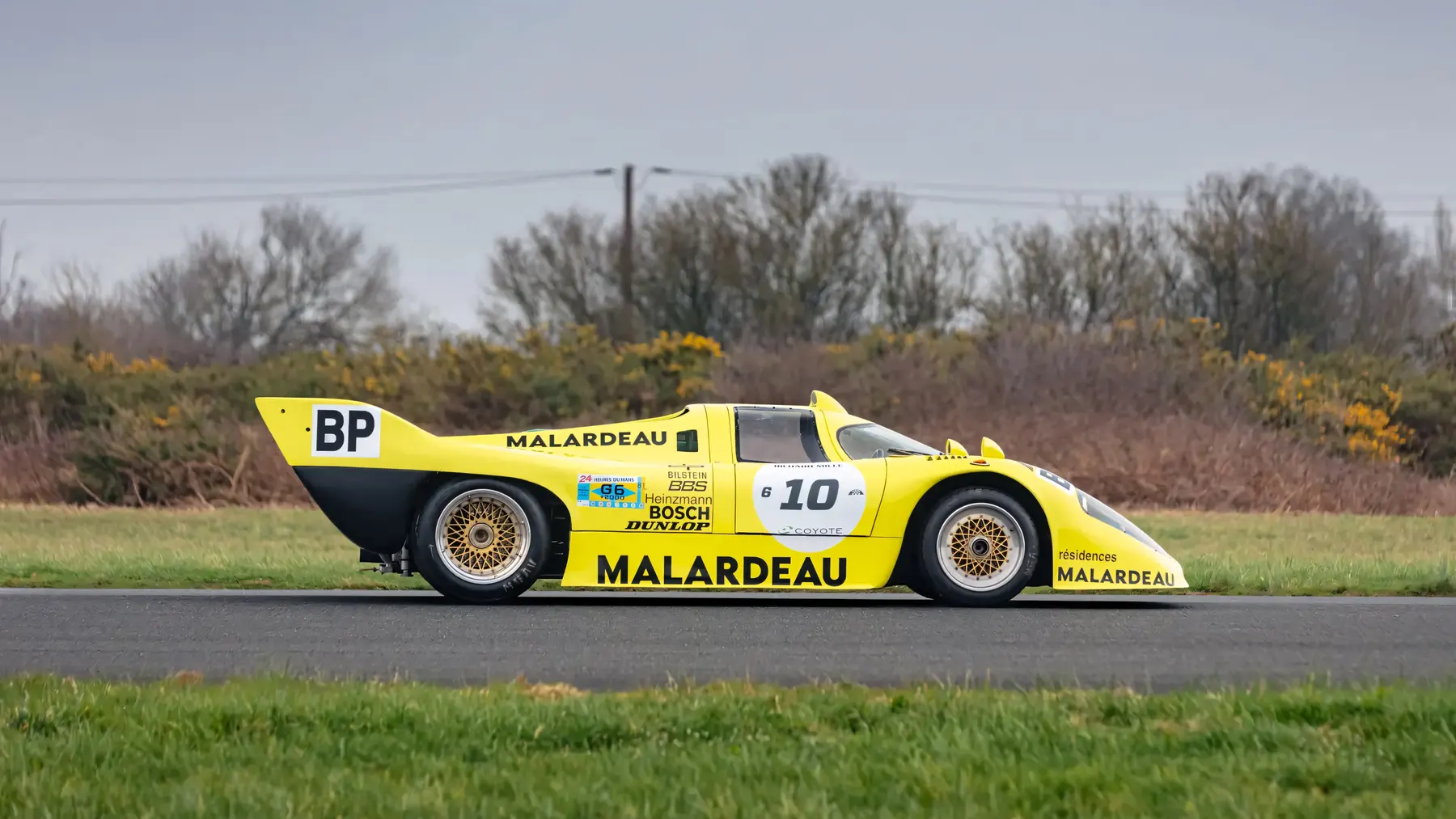
At its core, the K-81 retained the 917’s DNA,an aluminum space frame chassis and the thunderous 4.9-liter Type 912/10 flat-12 engine, now producing 630 horsepower. However, Kremer’s engineers implemented crucial updates. The suspension geometry was revised to accommodate wider 16-inch rear tires, improving mechanical grip. Aerodynamics received radical attention; the iconic short-tail bodywork gained ground-effect tunnels and a redesigned rear wing that generated 40% more downforce than the original 917K.
The cooling system saw significant upgrades, with enlarged oil radiators and ducting borrowed from Porsche’s 935/78 “Moby Dick” Le Mans car. A new five-speed transmission featured closer ratios to exploit the engine’s power band. Perhaps most crucially, the K-81 incorporated advanced materials,carbon-kevlar body panels and magnesium suspension components,that reduced weight to 780 kg, nearly 200 kg lighter than the 1971 Le Mans-winning 917K.
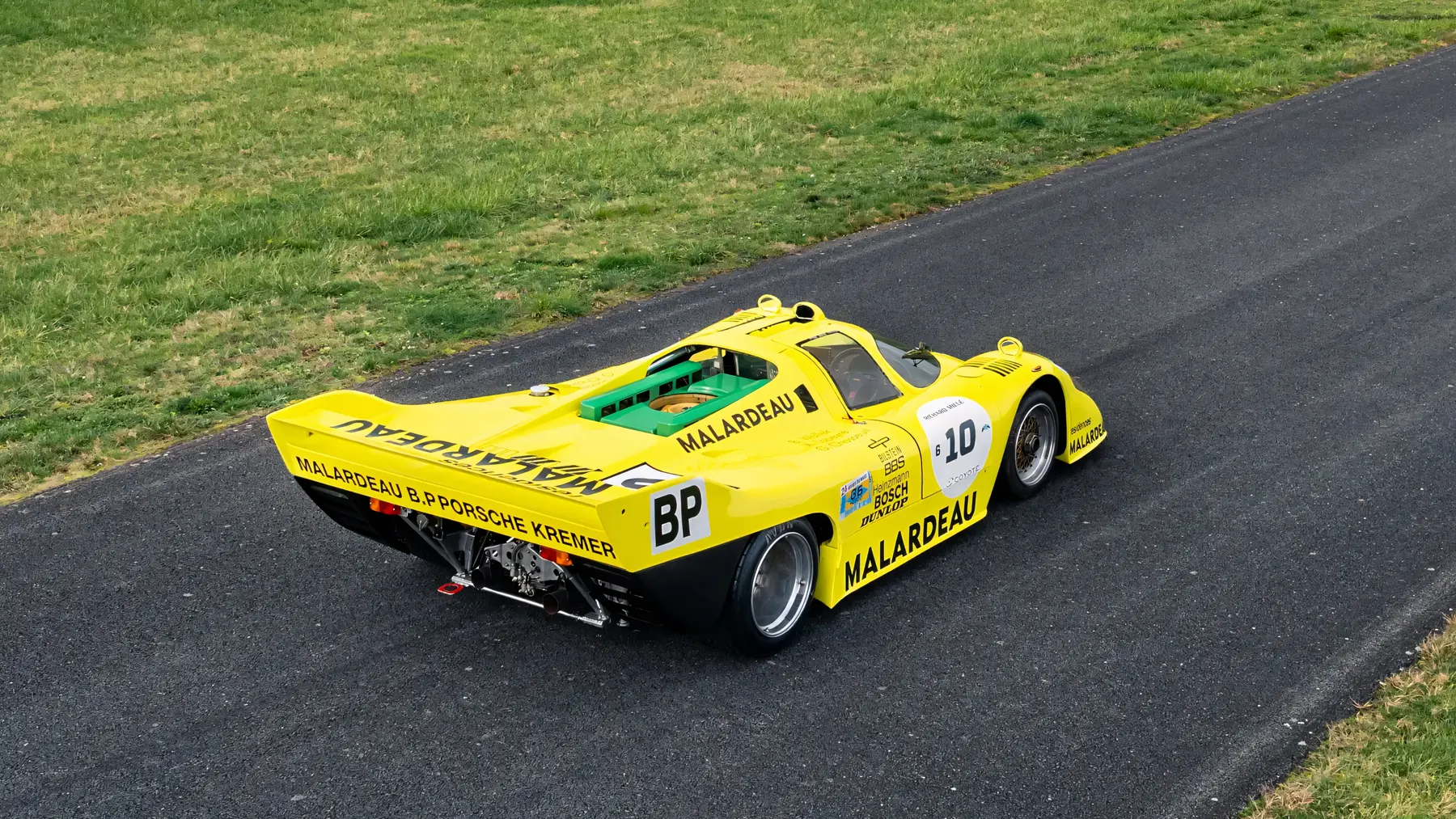
The K-81’s competition debut at the 1981 24 Hours of Le Mans proved its potential. Qualified 8th overall against factory prototypes, it demonstrated remarkable pace before retiring after 7 hours due to an oil leak from collision damage. At Brands Hatch’s 6 Hours, the car led briefly before suspension failure, showcasing transient brilliance against newer designs.
Straight-line performance remained formidable,the K-81 could reach 360 km/h on Le Mans’ Mulsanne Straight, rivaling contemporary Group 6 cars. However, its air-cooled engine’s thirst (consuming 40% more fuel than turbocharged rivals) proved a liability in endurance racing. The car’s true strength emerged on technical circuits, where its mechanical grip and balanced weight distribution allowed drivers like Bob Wollek to exploit its analog responsiveness.
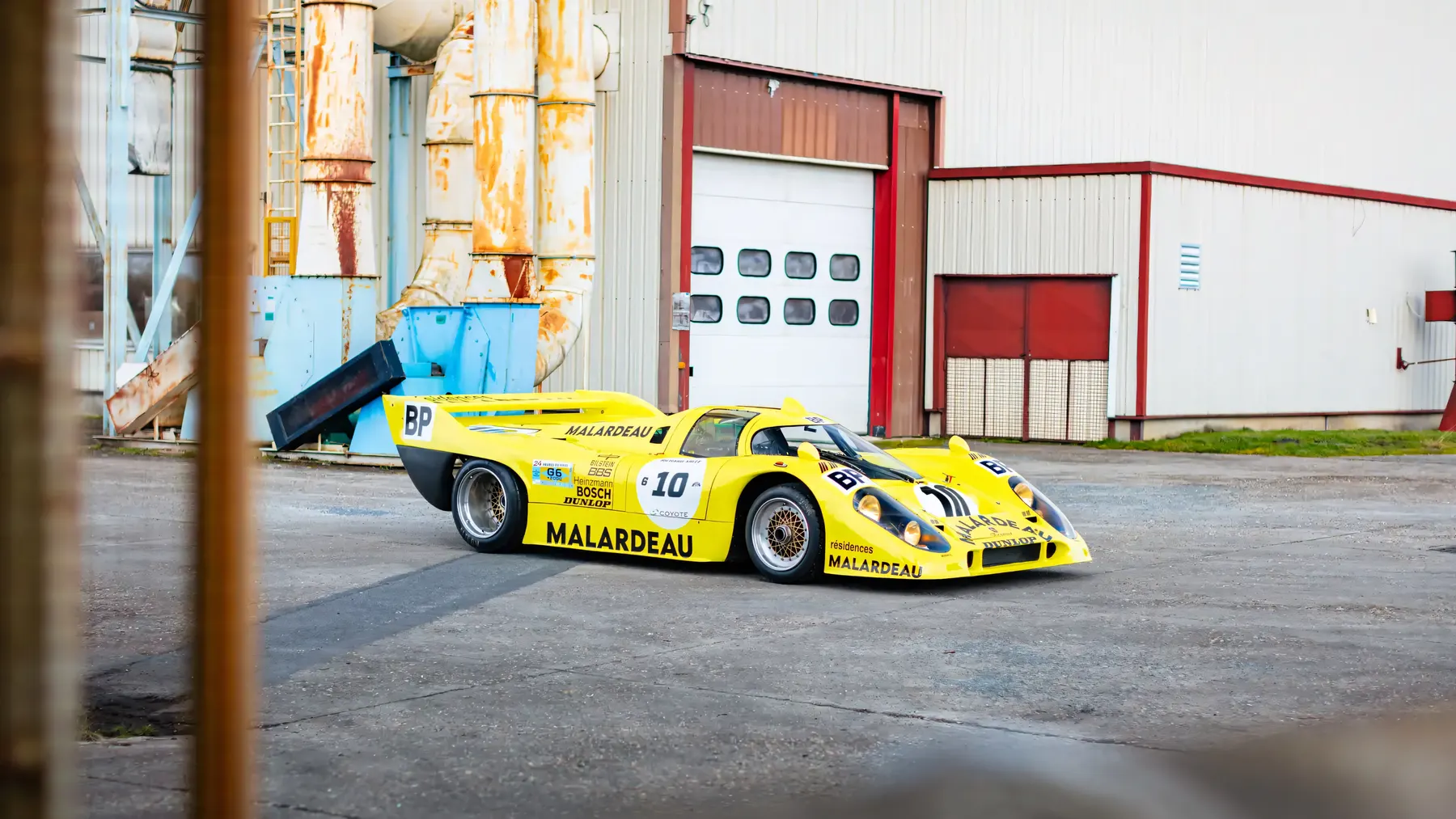
The K-81’s most revolutionary feature was its adaptive aerodynamics. Engineers developed a driver-adjustable rear wing,a precursor to modern DRS systems,that could flatten at high speeds to reduce drag. The ground-effect tunnels incorporated sliding skirts that maintained optimal airflow even during suspension travel, a concept Porsche would perfect in the 956.
The engine received equally creative attention. Using lessons from Can-Am’s turbocharged 917/30, Kremer experimented with twin KKK turbochargers in testing, briefly pushing output to 850 horsepower. Though ultimately rejected for reliability, this experimentation demonstrated the 917 platform’s adaptability.
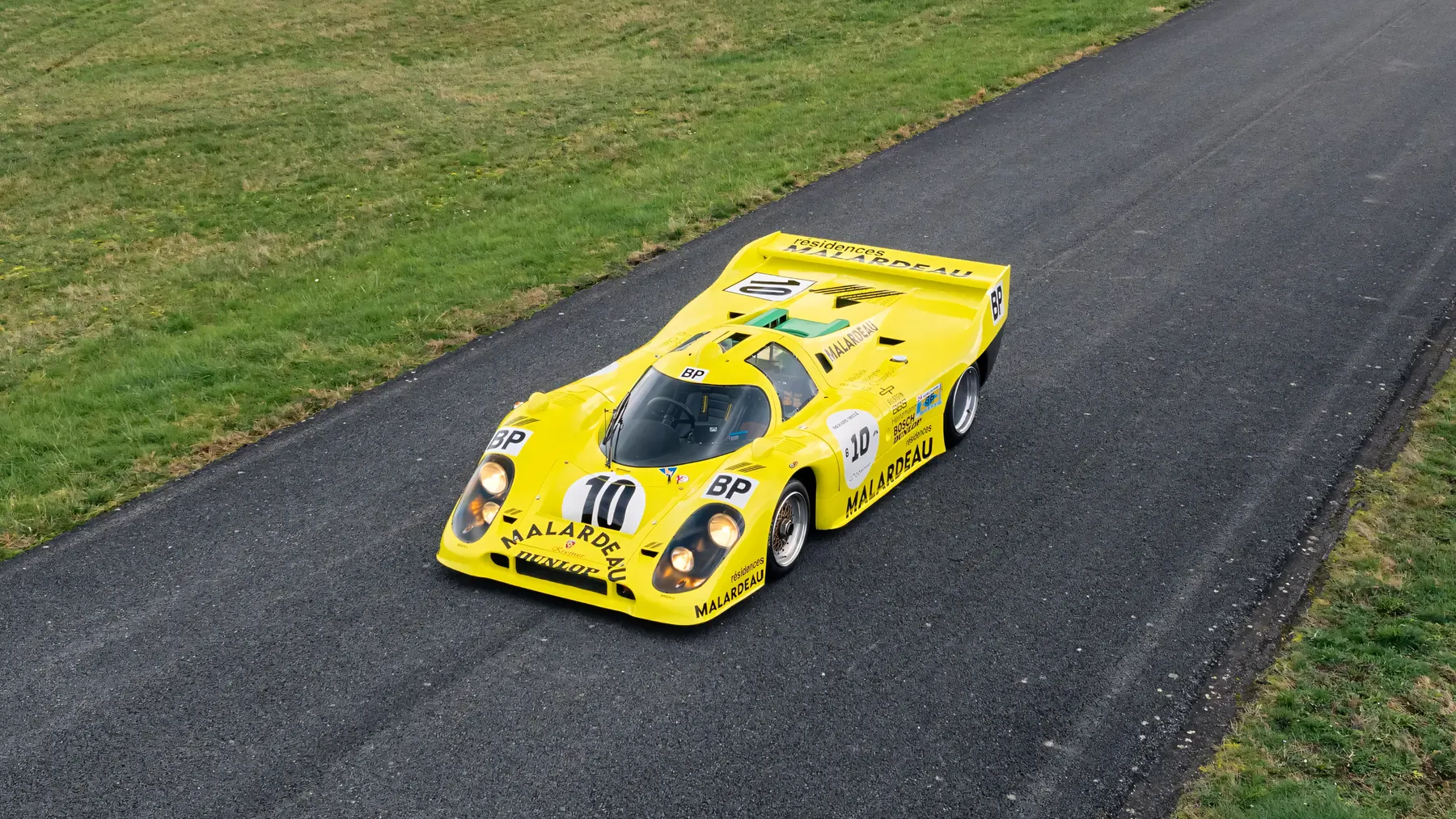
Though the K-81’s competitive career was brief, its influence resonated. The car’s hybrid approach,blending vintage mechanical elements with cutting-edge aerodynamics,informed Porsche’s development of the 956. Its failure to secure major victories became a cautionary tale about the limits of adapting old platforms, steering Porsche toward clean-sheet designs for Group C.
Today, the 917 K-81 occupies cult status. The sole example built,chassis 917-81-001,has become a star of historic racing, its shrieking air-cooled engine and dramatic bodywork drawing crowds at Goodwood and Le Mans Classic. Its value lies not just in rarity, but in embodying Porsche’s engineering philosophy: relentless innovation built on proven foundations.
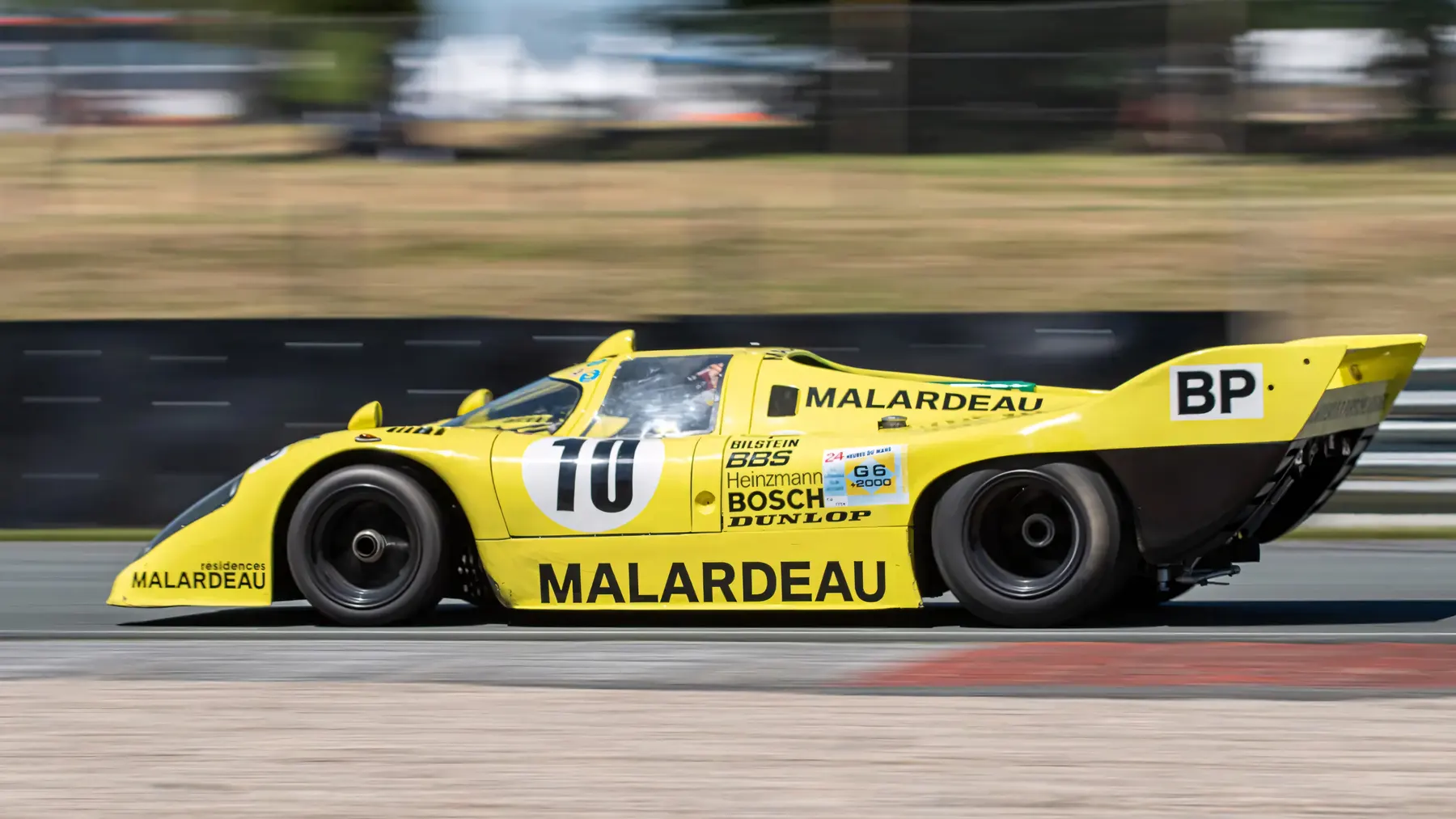
Maintaining the K-81 requires esoteric knowledge. The magnesium crankcase demands specialized machining, while the hand-formed aluminum body panels necessitate artisan metalwork. Recent restorations have incorporated modern data acquisition systems, revealing surprising insights,the chassis flexes less than a 962C under cornering loads, validating its advanced structure.
As homologation specials become increasingly valuable, the K-81’s story resonates anew. It stands as a testament to what might have been,had regulations evolved differently,and a reminder that even legends must sometimes yield to progress. For enthusiasts, it represents the 917’s last, glorious rebellion against obsolescence, a mechanical phoenix that briefly soared before making way for a new generation of Porsche greatness.