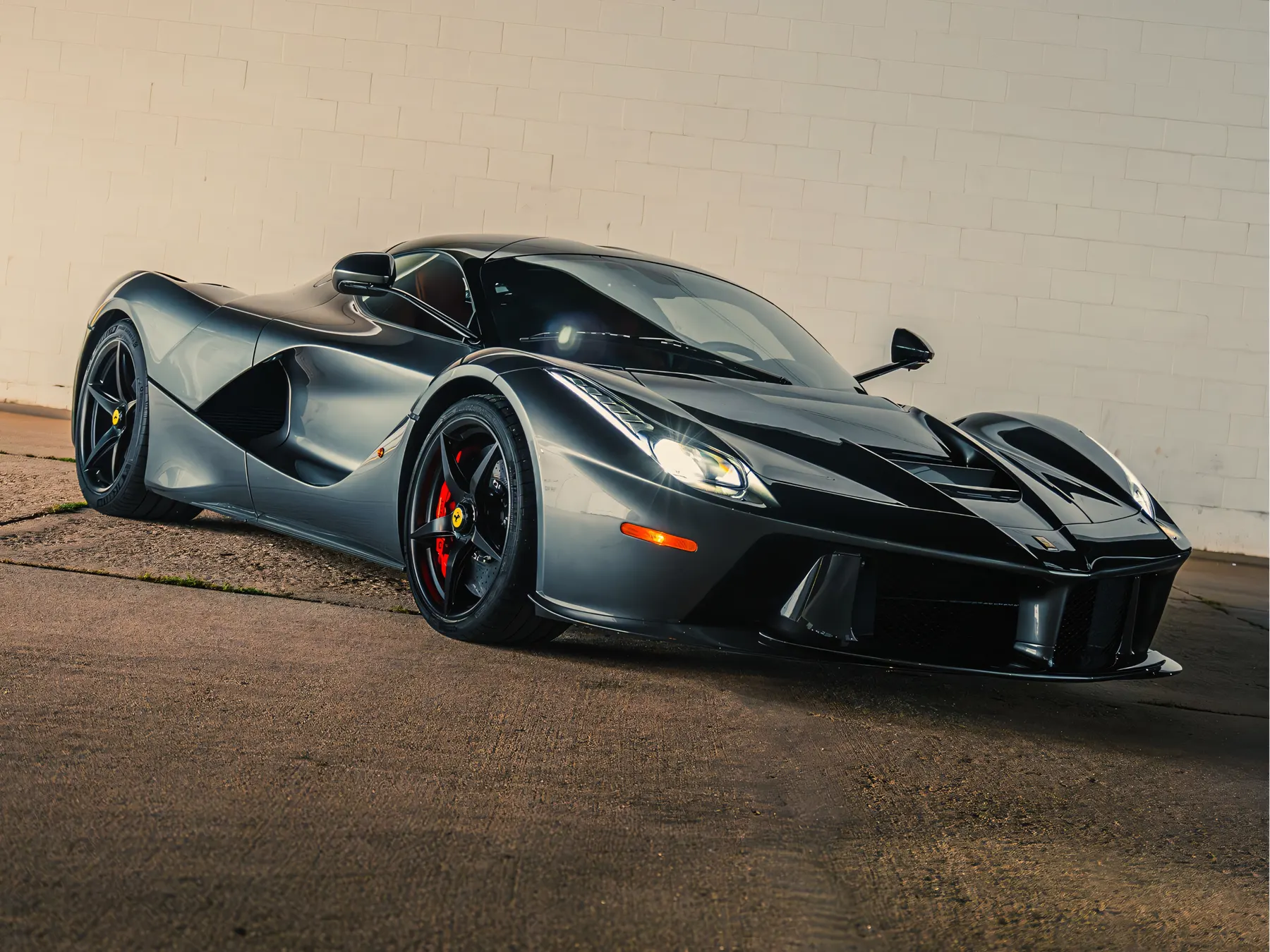
2014 Ferrari LaFerrari
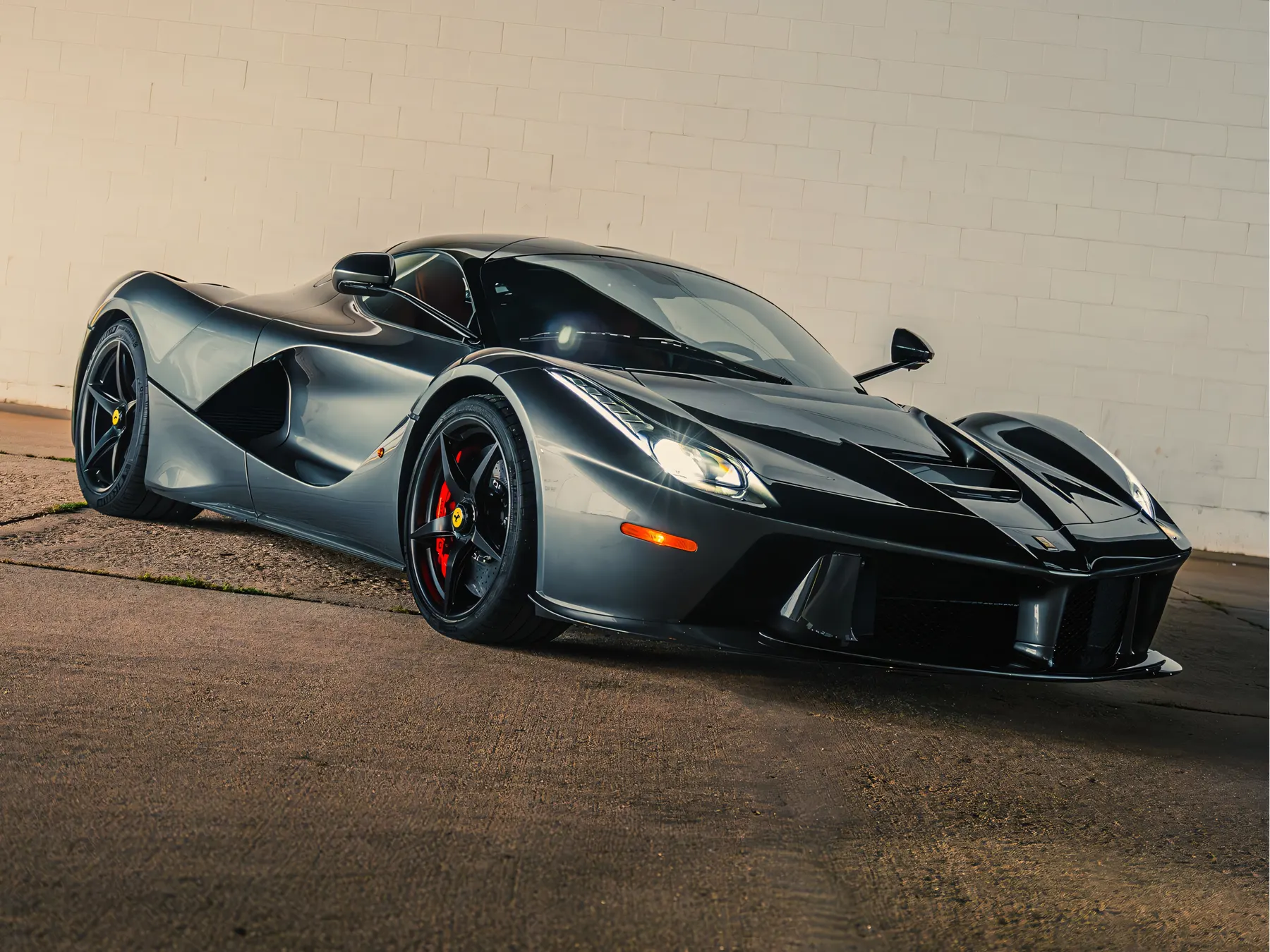
In the world of hypercars, where speed, precision, and innovation converge, Ferrari has long been a name synonymous with unbridled performance. However, the Prancing Horse did not hastily leap into the realm of electrification; it carefully orchestrated its entry with the LaFerrari, a hybrid hypercar that seamlessly marries Formula One technology with the artistry of automotive design.
Ferrari’s journey towards the LaFerrari wasn’t a solitary venture dictated solely by engineers in Maranello. Instead, it was a collaborative effort that involved the elite group of Ferrari enthusiasts through the FXX program. This wasn’t your conventional focus group; it was an exclusive club where dedicated enthusiasts tested what can only be described as a development mule dressed in the iconic Scuderia Ferrari livery.
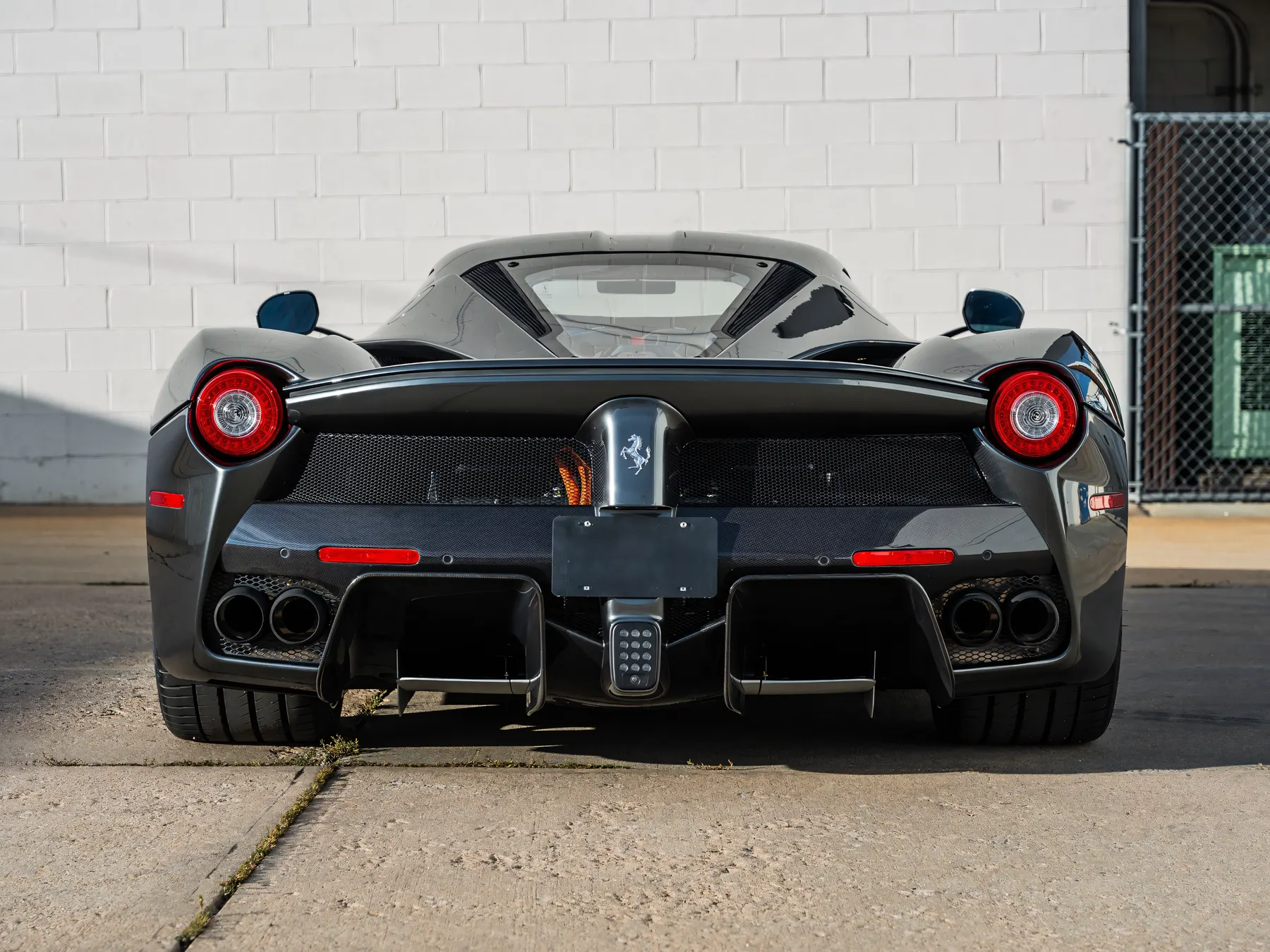
The FXX program was a testament to Ferrari’s commitment to real-world development, and it wasn’t without its cost. Enthusiasts subscribed to a unique experience, providing valuable input to Ferrari’s development team. It was a symphony of passion and engineering expertise.
In the aftermath of the FXX program, the automotive world stood witness to the grand unveiling of the LaFerrari at the 2013 Geneva Salon. Positioned as the successor to the Enzo, the LaFerrari transcended expectations. Its beating heart, a 6.3-liter V-12 engine, nestled behind the passenger compartment, was reminiscent of the FXX’s power plant. The echoes of racing prowess reverberated within its F1-style carbon-fibre monocoque structure.
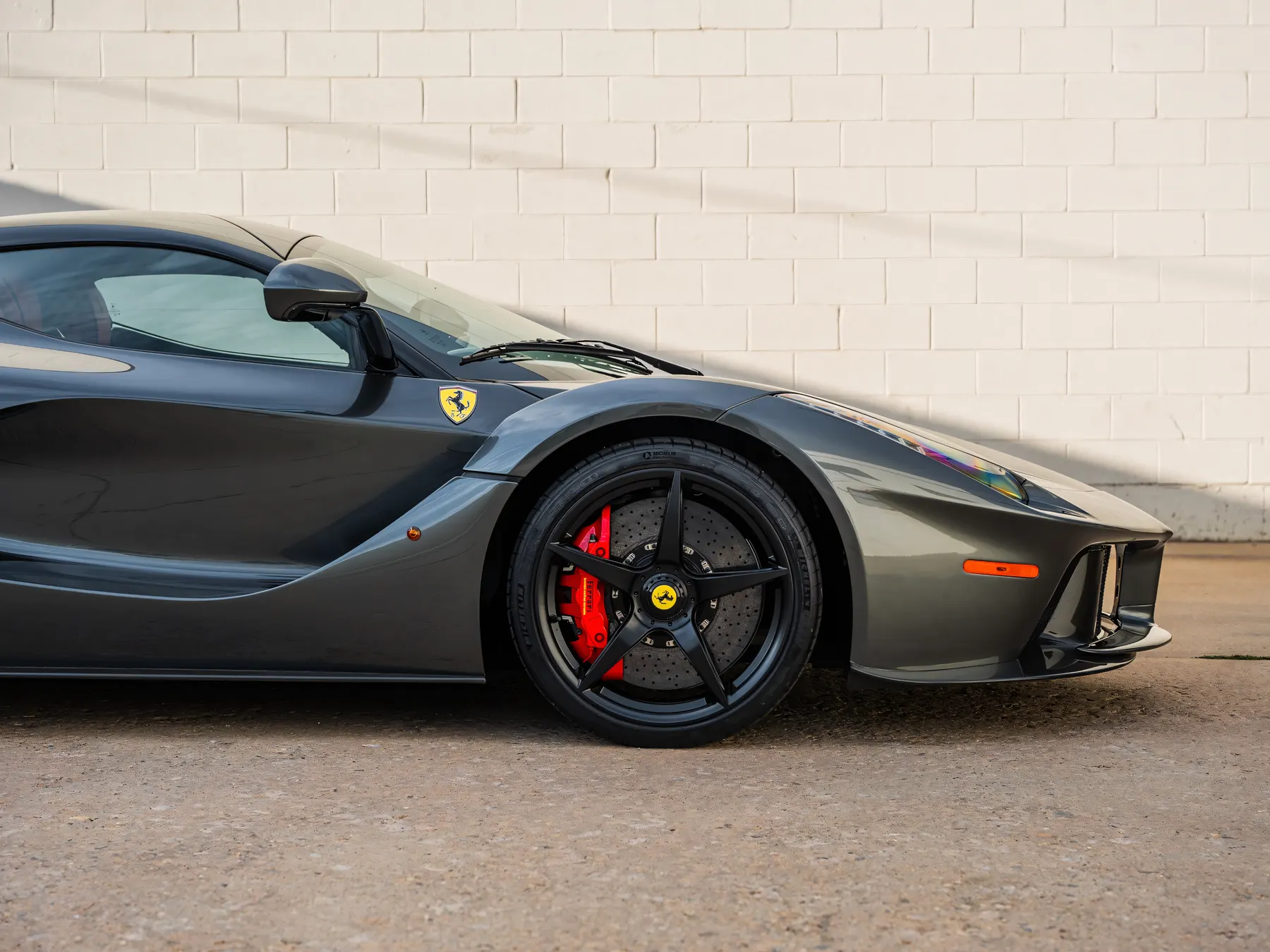
The design, credited to Flavio Manzoni from Ferrari’s in-house team, was a blend of elegance and ferocity. The LaFerrari’s lines, while echoing its predecessor, exhibited a softened aesthetic compared to the more brutal Enzo. This design would go down in history, marking Ferrari’s entry into a new era of automotive excellence.
On the global stage, the LaFerrari found itself in a rivalry with other hybrid-electric hypercars from England and Germany. The McLaren P1 and the Porsche 918 were its contemporaries, each featuring hybrid powertrains with electric-only modes, a paradigm shift in the realm of performance-focused machines.
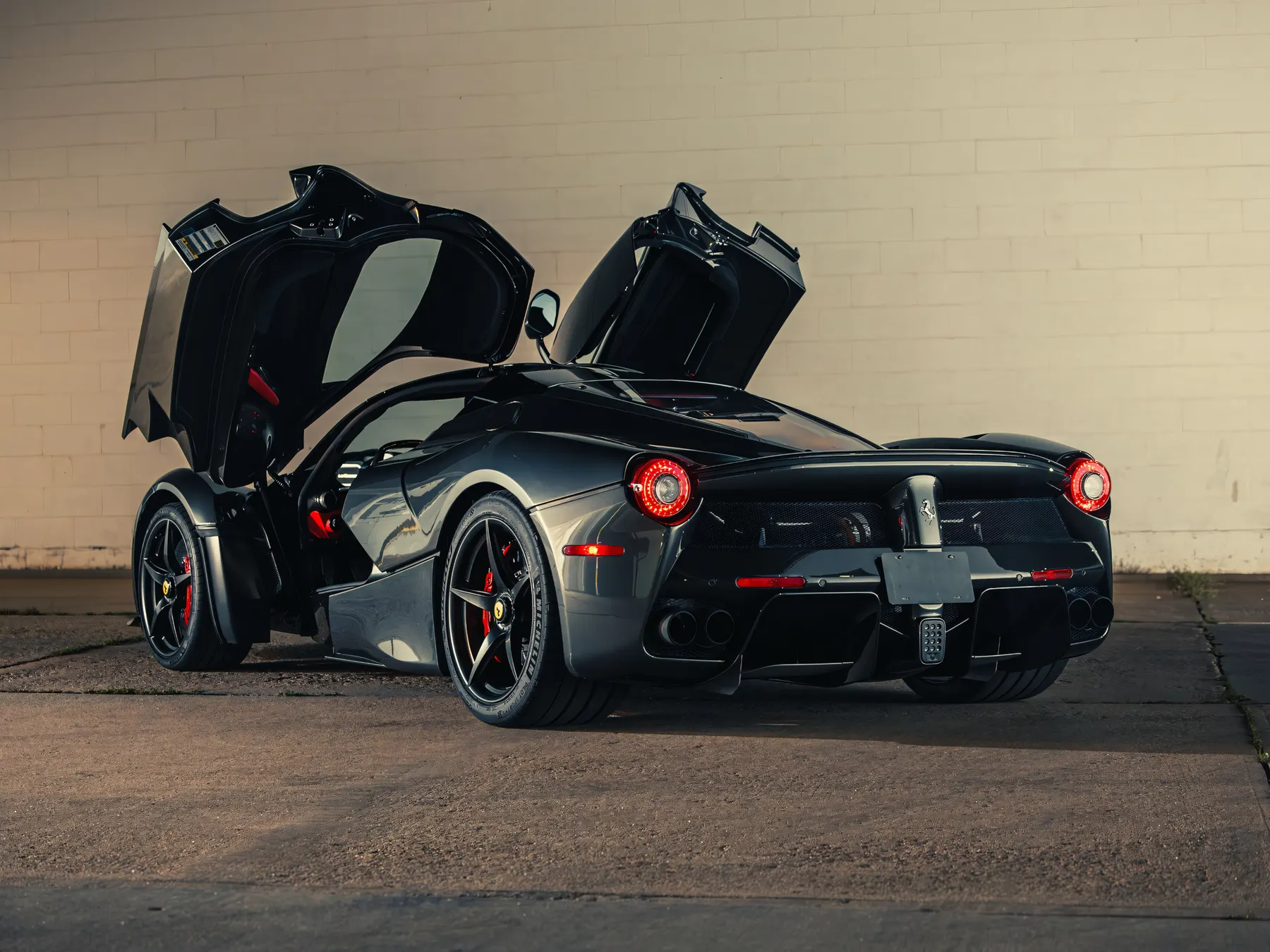
However, the LaFerrari was distinct in its approach to electrification. The electric motor wasn’t designed for standalone electric driving; instead, it operated as a support system for the V-12 engine. Mimicking the Kinetic Energy Recovery System (KERS) from Formula One, the LaFerrari harnessed and stored kinetic energy during braking, later unleashing it for a burst of electric boost. This marriage of electric and combustion power resulted in a staggering total system output of 949 brake horsepower.
The LaFerrari wasn’t just a marvel on paper; its performance was nothing short of electrifying. The hypercar catapulted from 0 to 100 km/h in under three seconds, a testament to its formidable power. It reached 200 km/h in a mere seven seconds and 300 km/h in just 15 seconds. The top speed of 350 km/h (217.5 mph) solidified its position among the elite of the hypercar realm.
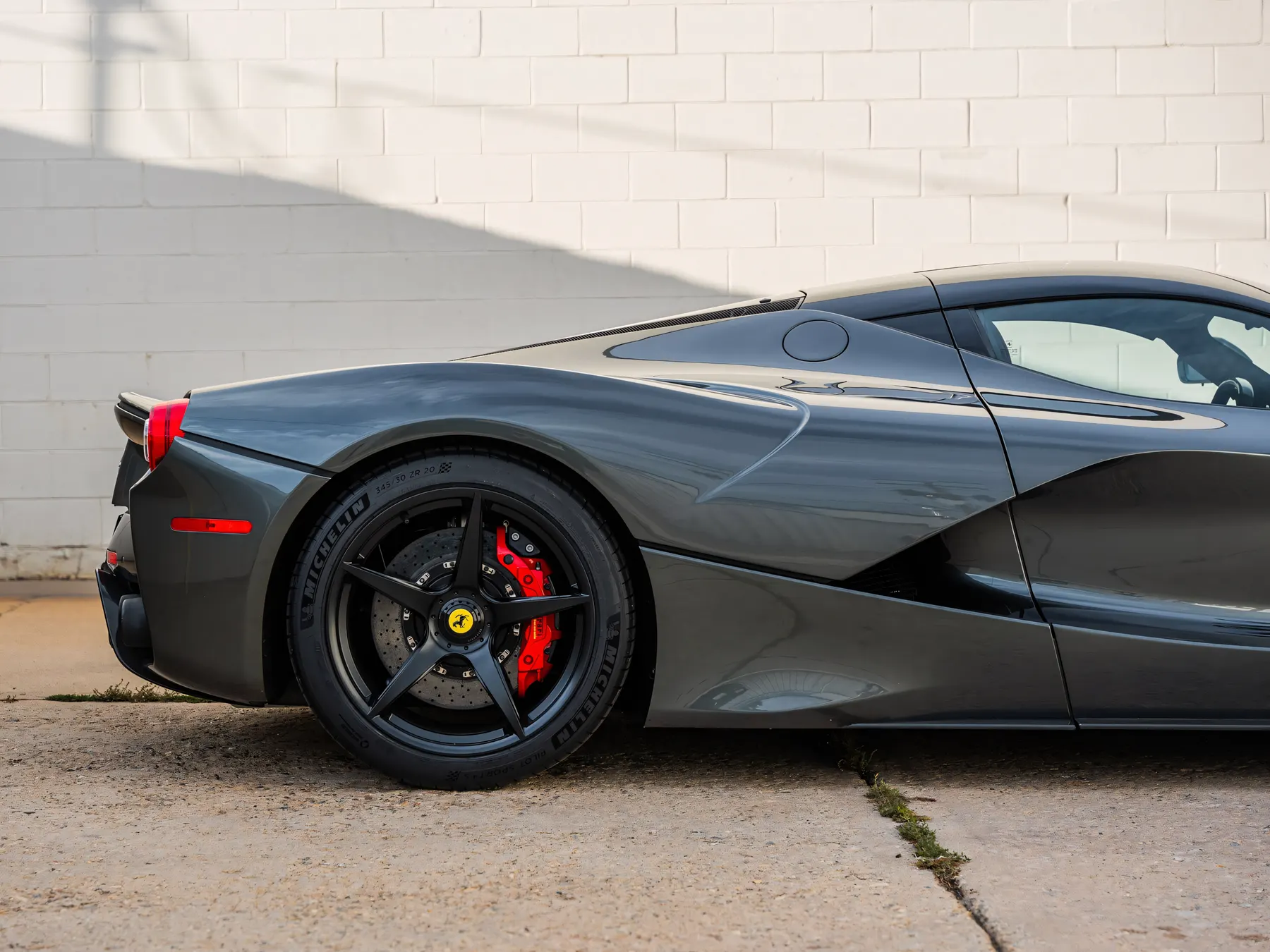
Pirelli P-Zero Corsa rubber, crafted from a Ferrari-specific compound, grounded the LaFerrari, ensuring stability both at high speeds and on winding roads. The hypercar’s weight, a remarkably low 2,800 pounds unladen, further contributed to its agility and nimbleness. Magnetic dampers provided a civilised ride, while an electronic rear differential enhanced traction and acceleration through turns and uneven surfaces.
The LaFerrari wasn’t just a high-performance machine; it was an exclusive piece of automotive artistry. With only 499 units produced, it wasn’t a car for the masses. Instead, Ferrari reserved it for its most committed clientele, a select group within Maranello’s ultra-elite upper crust.
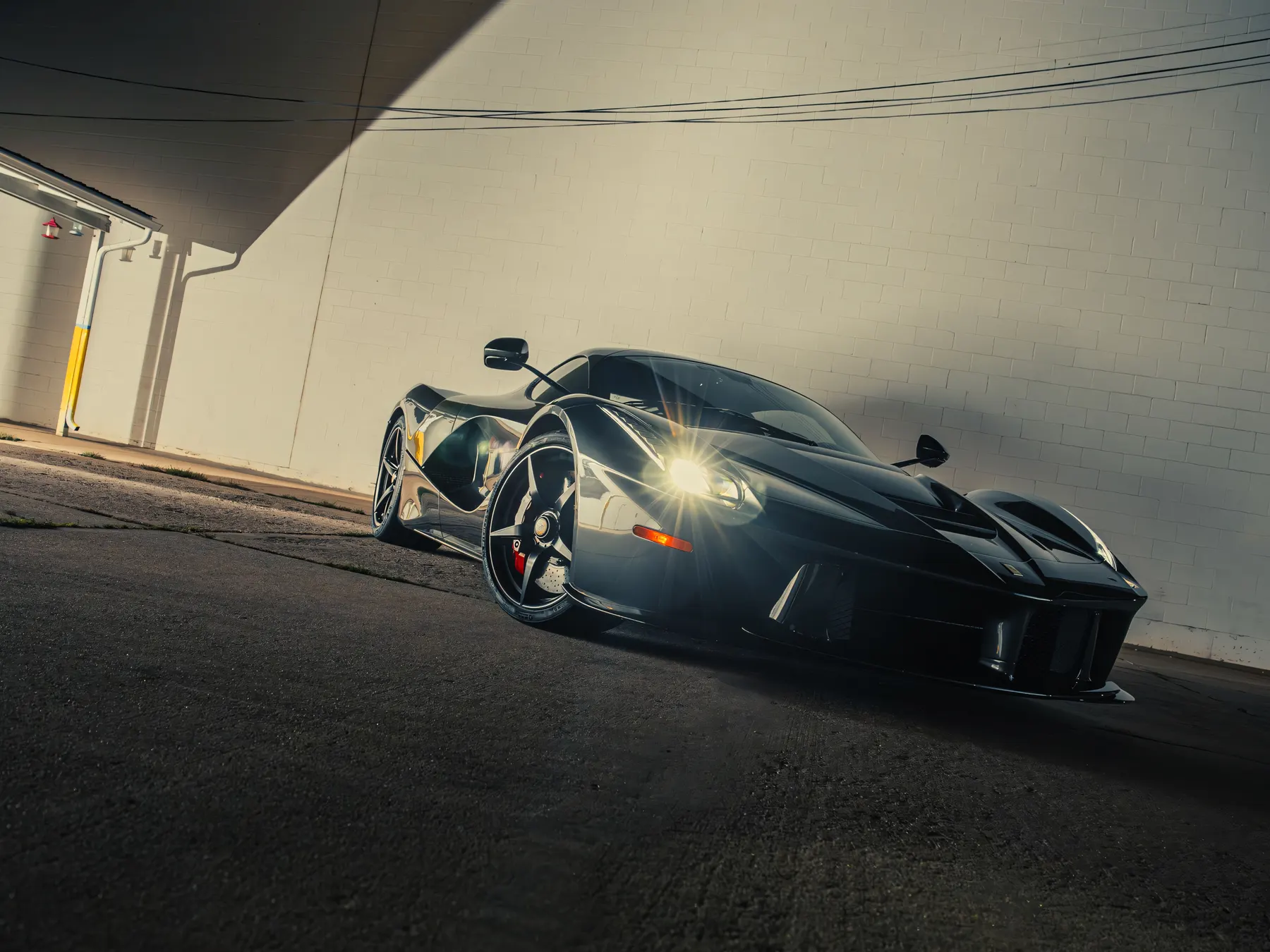
Production spanned from mid-2013 to just after New Year’s Day 2016, creating an aura of exclusivity around the LaFerrari. It wasn’t merely a car; it was a symbol of dedication, a testament to Ferrari’s relentless pursuit of perfection, and a beacon of hybrid supremacy.
As the LaFerrari bowed out from production, it left an indelible mark on the automotive landscape. It wasn’t just a hybrid hypercar; it was a symphony of engineering brilliance and a statement of Ferrari’s unwavering commitment to pushing the boundaries of what’s possible. The LaFerrari’s legacy lives on, reminding us that sometimes, a masterpiece isn’t just a creation; it’s a performance that resonates through time.