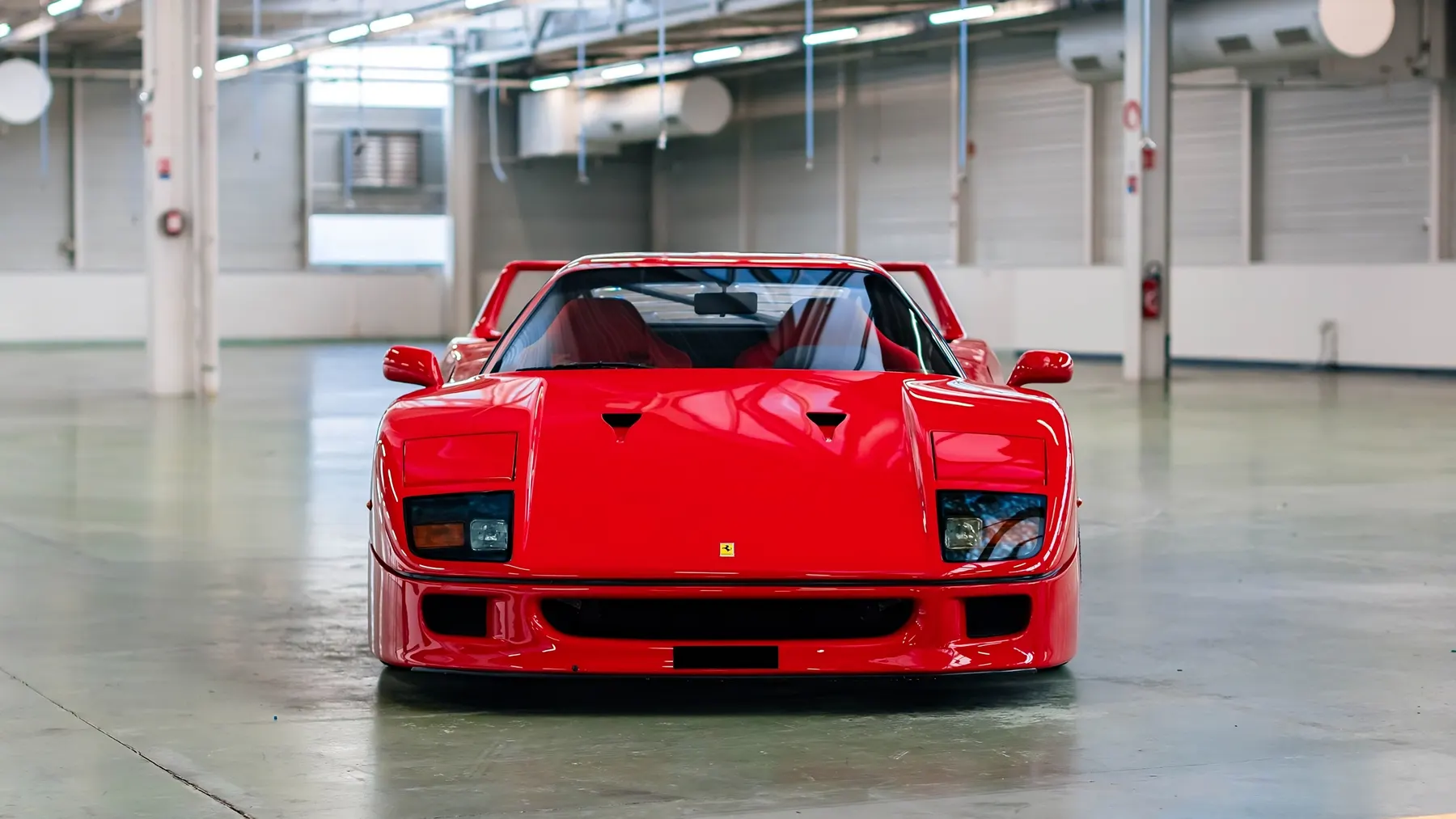
1989 Ferrari F40
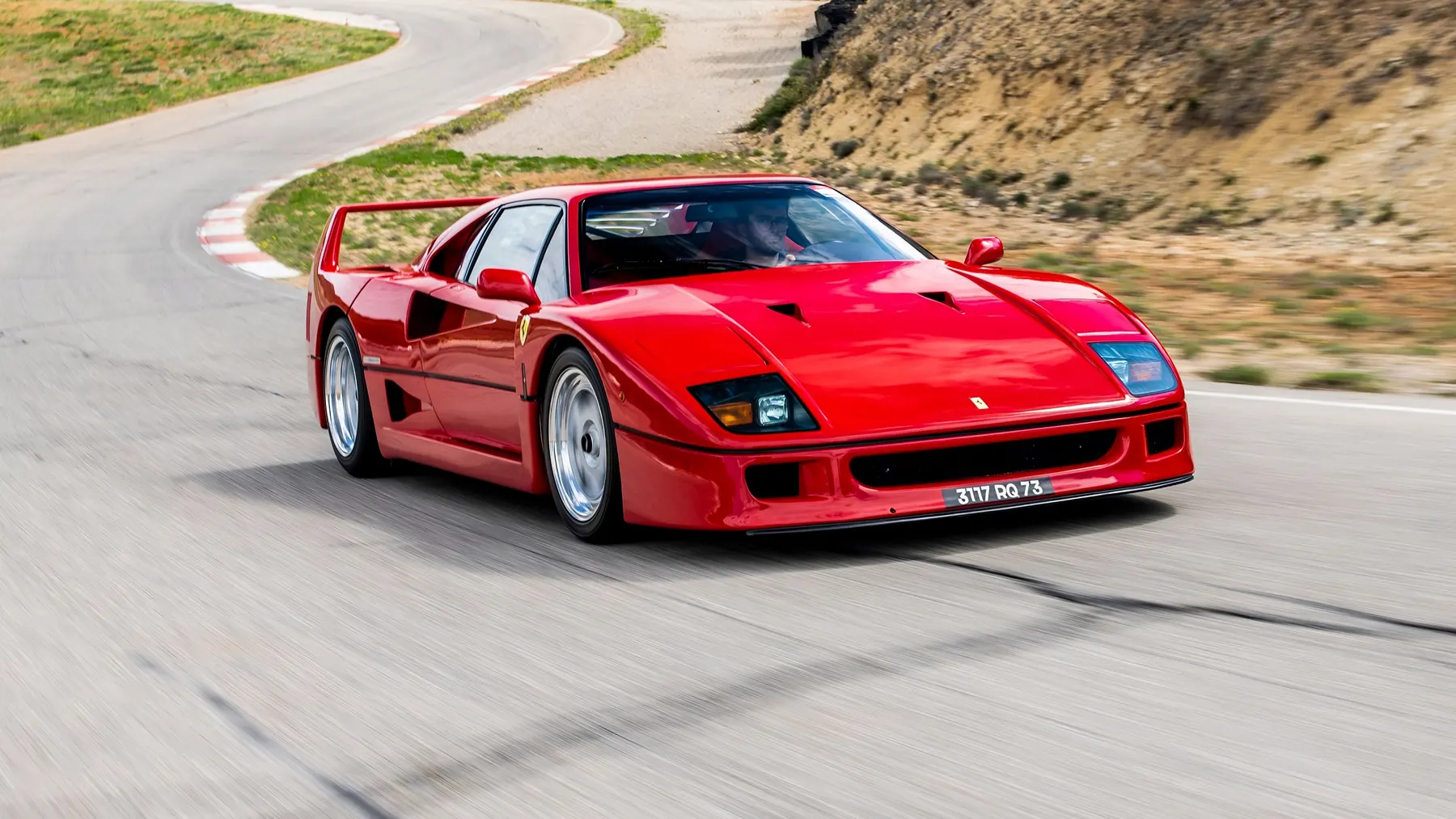
Few cars have captured the hearts and imaginations of automotive enthusiasts quite like the Ferrari F40. Born in the vibrant era of the 1980s, this be-winged beauty remains the ultimate supercar of its time. It symbolises the culmination of Enzo Ferrari’s vision and stands as a testament to the relentless pursuit of automotive excellence.
Unveiled with great fanfare at the 1987 Frankfurt Motor Show, the F40 emerged from the ashes of its predecessor, the 288 GTO Evoluzione. Originally designed to dominate the racetracks of Le Mans in the Group B class, fate had different plans for this extraordinary machine. The demise of Group B racing compelled Ferrari’s engineers to channel their ingenuity into transforming the Evoluzione into a road-legal masterpiece.
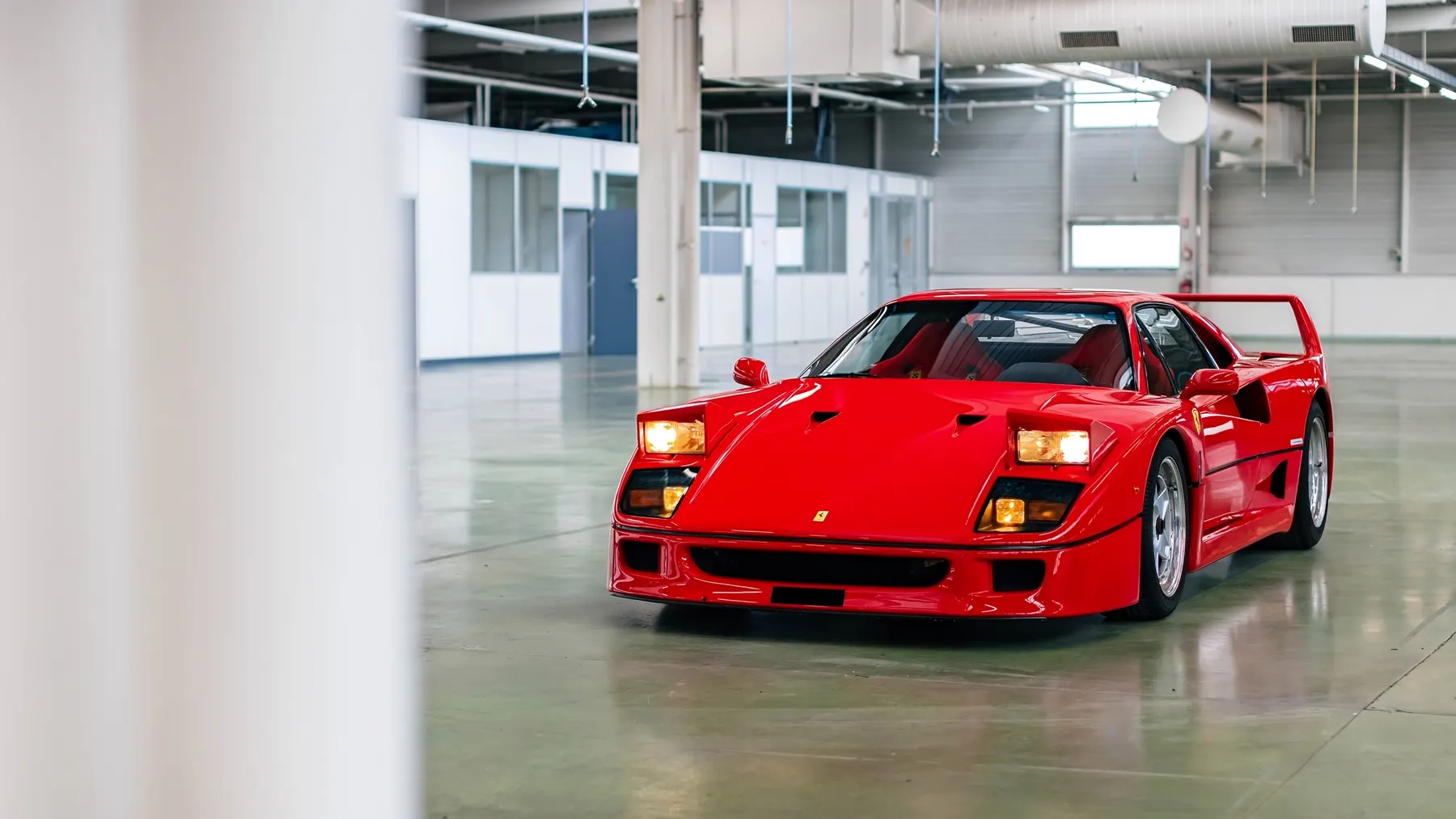
To commemorate Ferrari’s 40th anniversary, the F40 came into existence, instantly solidifying its place among the greatest cars of the 20th century. It embodied the spirit of a true racer, shedding all superfluous elements for an uncompromising focus on driving pleasure. Its minimalist interior, featuring stark grey cloth and intentionally bare surfaces, reflected the ethos of “less is more.” Stripped of interior door handles and adorned with thinly upholstered seats, the F40 embraced an austere aesthetic that emphasised the purity of the driving experience.
But it wasn’t just the interior that set the F40 apart; its bodywork was a marvel of design and aerodynamic engineering. Crafted from a combination of aluminium, carbon fibre, and Kevlar, it boasted a tubular-steel chassis that was stiffer and more rigid than its predecessor. The distinctive lines, conceived by Leonardo Fioravanti, exuded both elegance and aggression. Honed in the wind tunnel, the F40’s body was lightweight and aerodynamically optimised, culminating in the iconic rear wing that continues to turn heads and ignite automotive passion to this day.
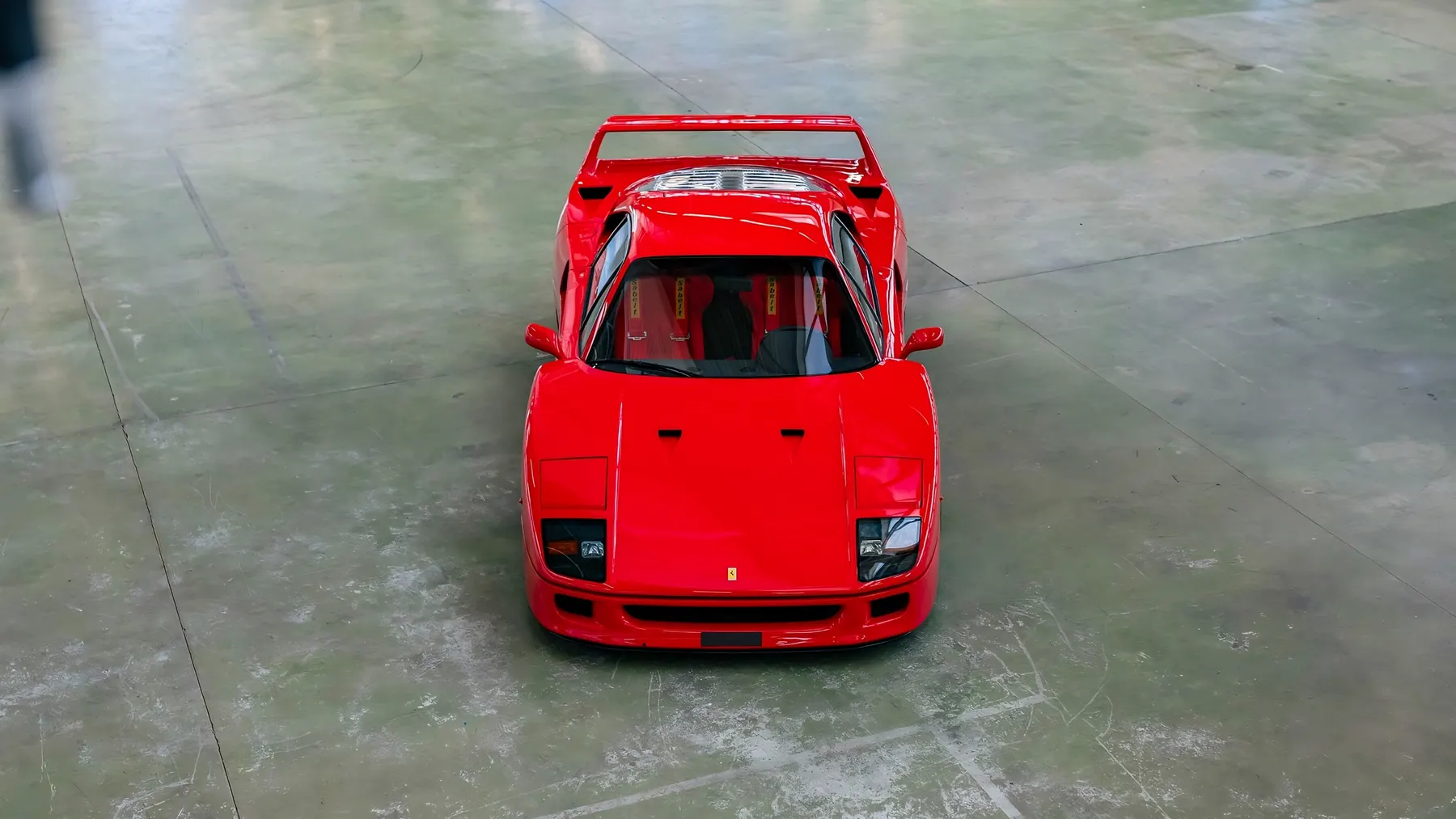
Beneath the surface, the F40 inherited its power from the 288 GTO, but with notable enhancements. The 2,936 cc, twin-turbocharged V-8 engine, known as the Tipo F120 040, was a force to be reckoned with. Its displacement was increased, and the boost from the twin turbos was raised, resulting in a staggering output of 478 horsepower and 425 pound-feet of torque. Mated to a manual five-speed transaxle, the F40 propelled itself from 0 to 100 km/h in a blistering 4.1 seconds. With a top speed of 324 km/h, it confidently claimed the title of the fastest car on the planet at that time. Yet, in true F40 fashion, it embraced simplicity by forgoing advanced driver aids, allowing the raw power and skill of the driver to take centre stage.
The Ferrari F40 represents the pinnacle of automotive artistry in the 1980s, a masterpiece that blended unbridled performance, minimalist design, and a symphony of sensations that only Ferrari can deliver. Its allure continues to captivate enthusiasts and collectors alike, reminding us of a bygone era when excess and audacity reigned supreme. The F40 is not merely a car; it is an emblem of automotive passion, a symbol of Enzo Ferrari’s indomitable spirit, and a timeless icon that will forever hold a place in the annals of automotive history.