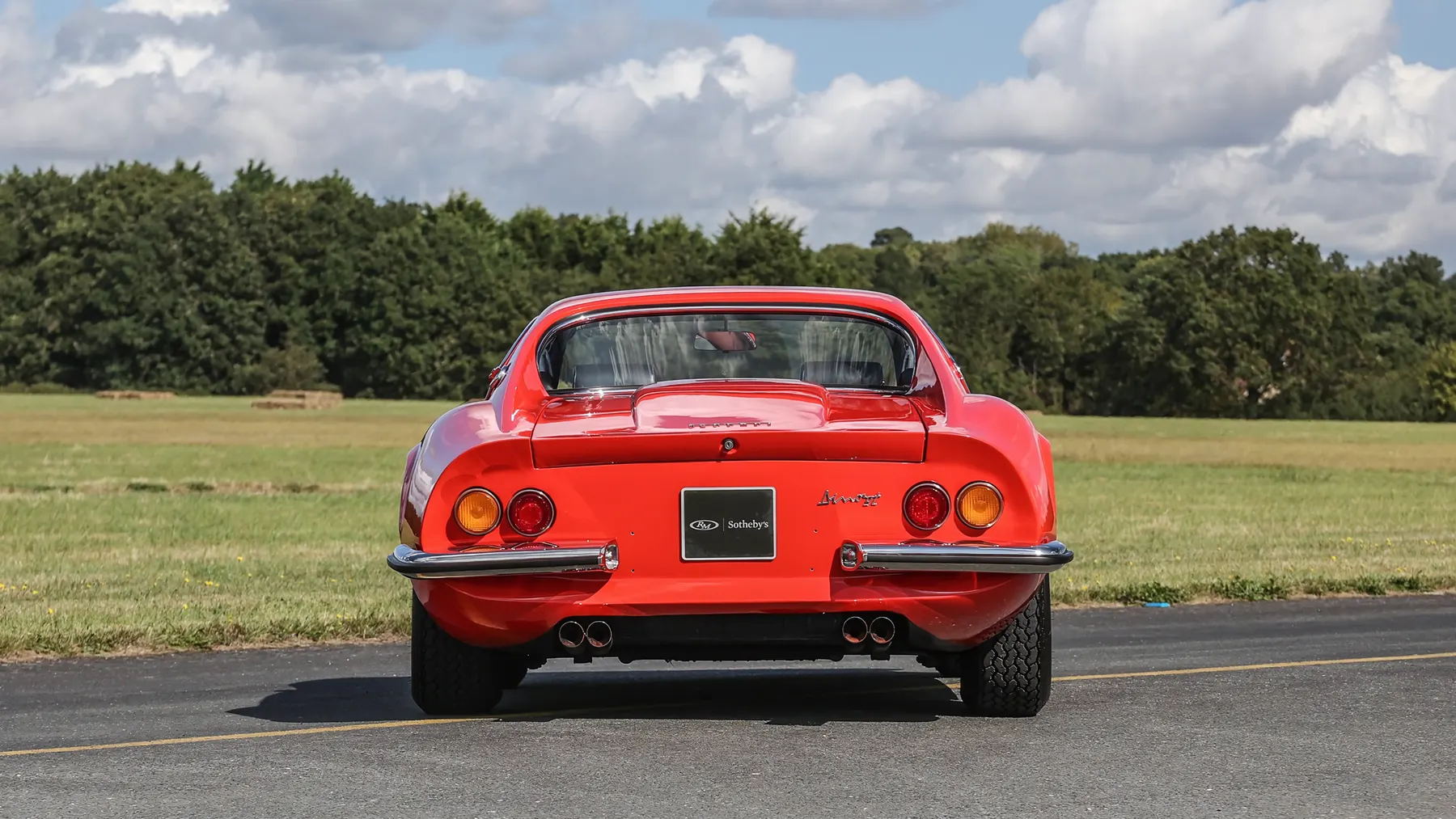
1968 Ferrari Dino 206 GT by Scaglietti
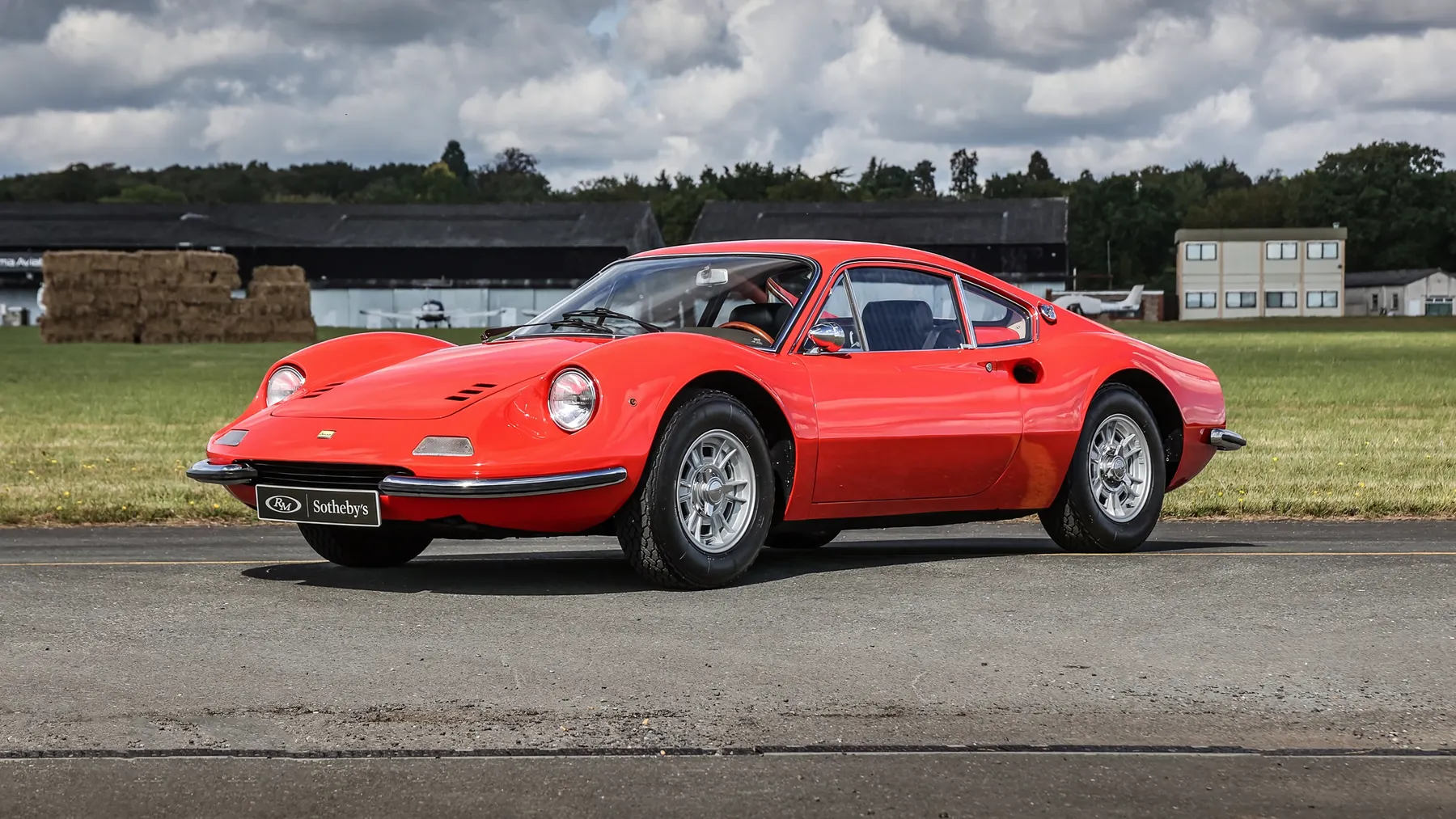
In the world of automotive design, some cars stand out as timeless masterpieces. Among these, the Ferrari Dino 206 GT holds a special place. It’s celebrated for its soft edges and curved lines, which exude an elegance that has captivated car enthusiasts for decades. The story of the Dino 206 GT is not just about its visual appeal; it’s a tale of innovation, engineering excellence, and the birth of a brand within a brand.
The Ferrari Dino is an embodiment of art on wheels. Its stunning design was the collaborative creation of Pininfarina’s gifted designers, Aldo Brovarone and Leonardo Fioravanti. However, the credit for translating this design into reality goes to Scaglietti, Ferrari’s trusted coachbuilder. The Dino’s unique blend of soft curves and bold lines creates an aesthetic that is as captivating today as it was in 1968.
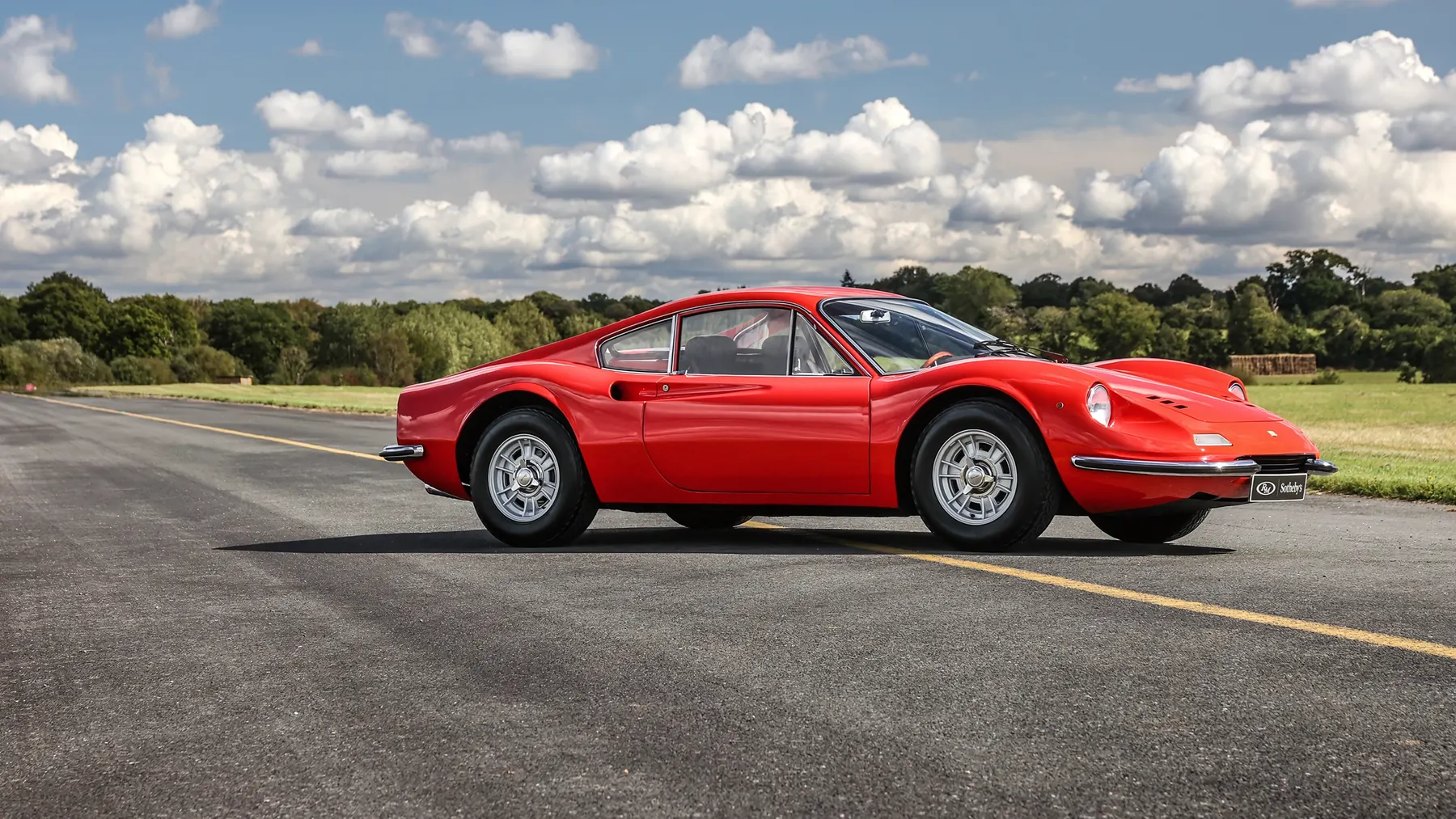
While the Dino name is closely associated with a line of Ferraris, the 206 GT holds a unique place in this storied family tree. It was more than just a car; it was the cornerstone upon which the Dino legacy was built. But what was it about the 206 GT that made it the genesis of this legend?
In the mid-20th century, Ferrari was renowned for its powerful V-12 engines. The 206 GT, however, was a departure from this tradition. It was a car conceived for a more accessible market segment. The brainchild behind this shift was the high-revving 2.0-liter V-6 engine, designed for racing applications and developed by none other than Alfredo “Dino” Ferrari. Sadly, Alfredo passed away before he could see the cars powered by his innovative engine hit the open road. In his honour, the Dino sub-brand was created.
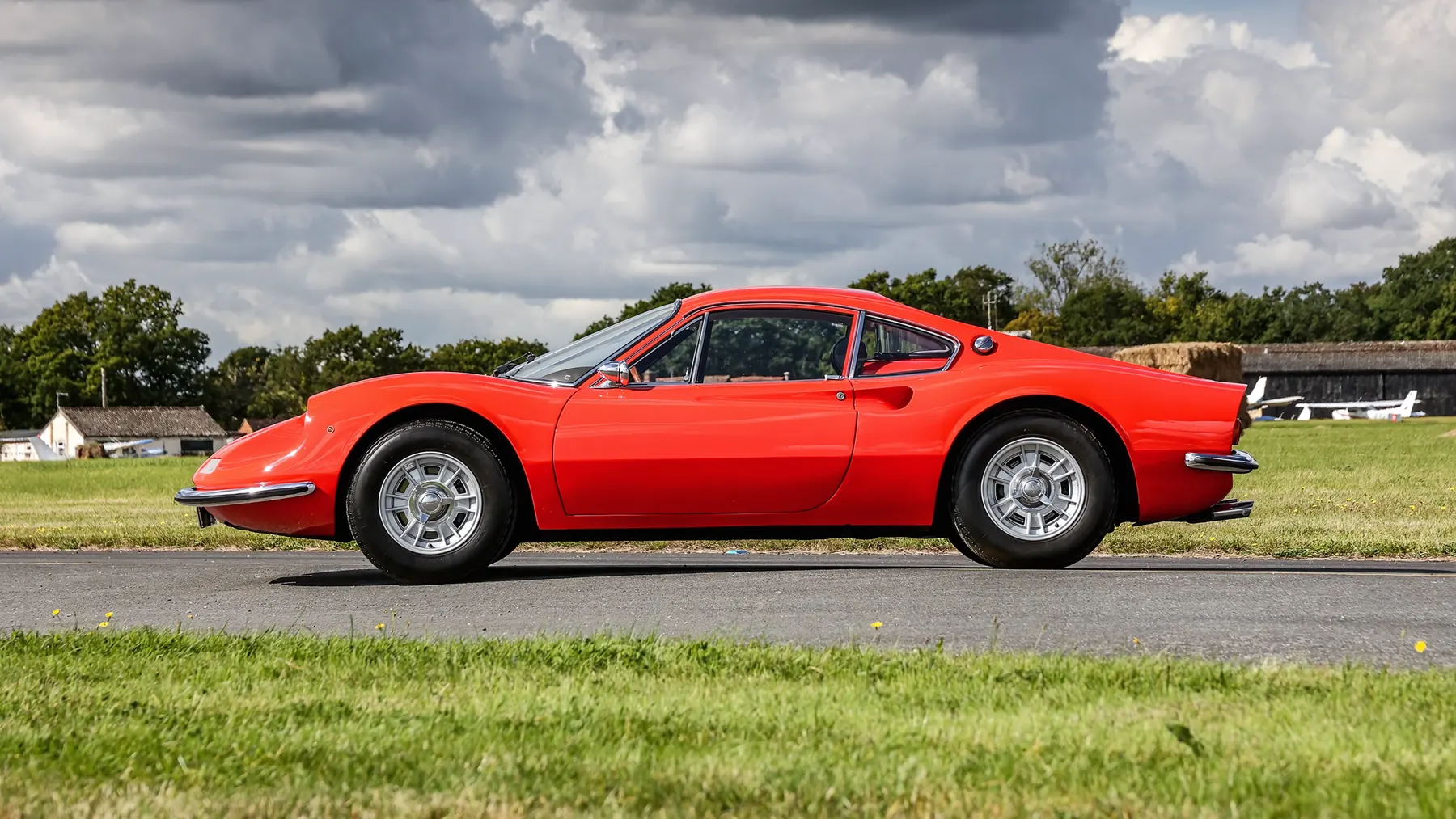
To distinguish the Dino brand from regular Ferrari production, Ferrari introduced an even-numbered chassis numbering sequence. This gave the Dino its unique identity and separated it from the rest of the Prancing Horse stable. The nomenclature also deviated from the convention of naming cars after their cubic-centimetre displacement; the Dino 206 GT was named for its 2.0-liter six-cylinder engine, which was a break from the norm in the world of Ferrari nomenclature.
Beyond its aesthetics, the Dino 206 GT was a remarkable engineering achievement. It was a lightweight and agile car, featuring all-aluminium bodywork. The transverse-mounted engine layout enhanced its balance and performance. But that’s not where the innovations stopped. The 206 GT introduced electronic ignition and direct rack-and-pinion steering to the Ferrari lineup. These features not only improved the driving experience but also set a standard for others to follow.
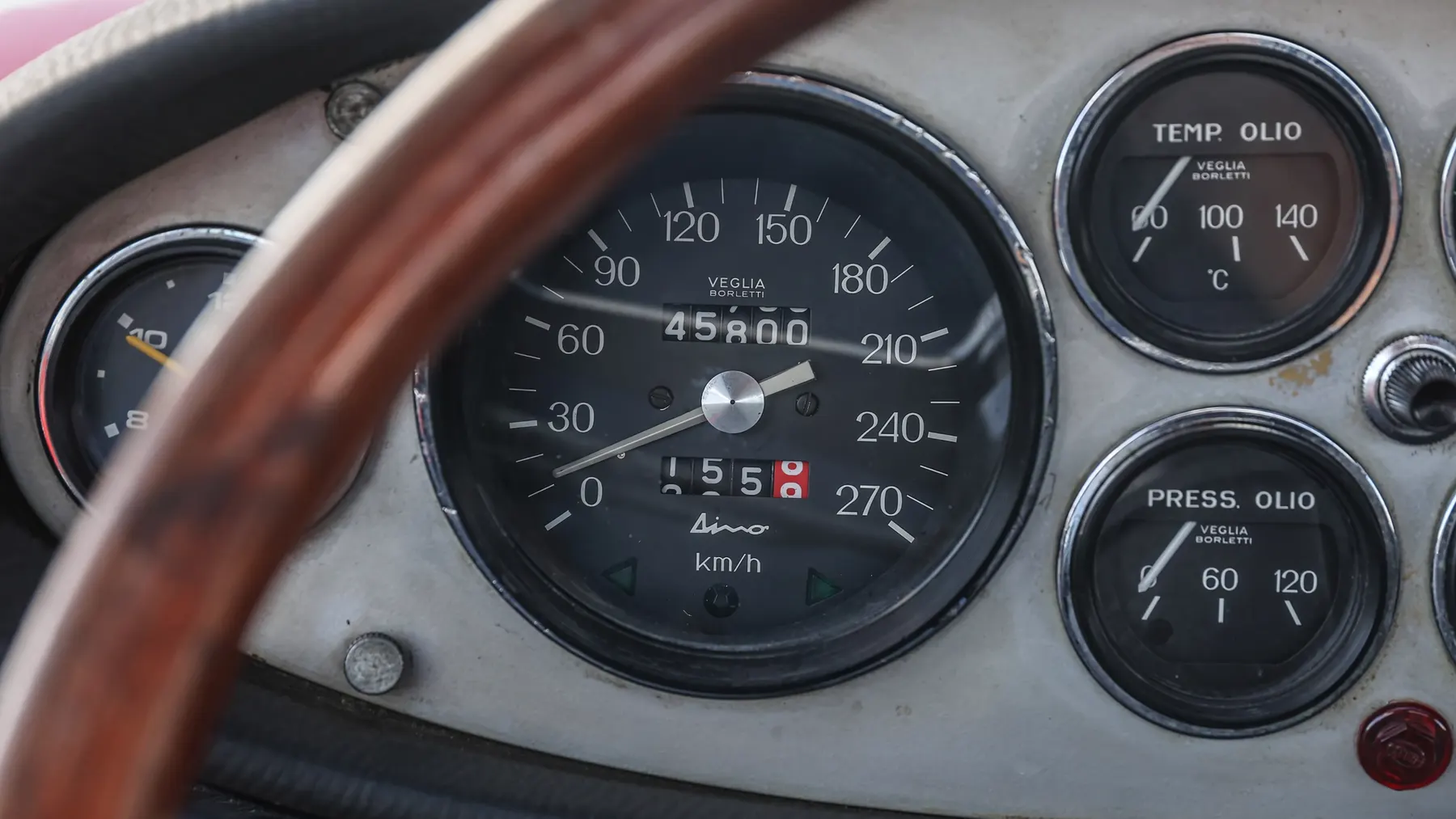
In addition to the technical innovations, the 206 GT also boasted a fully independent suspension, which contributed to its exceptional handling. All four corners were equipped with disc brakes, ensuring that the car could stop as impressively as it could accelerate. The result was a sports car that offered an unparalleled driving experience.
Only 153 units of the Dino 206 GT were produced during its two-year production span. Interestingly, all these cars were built in left-hand drive, highlighting their international appeal. The limited number of 206 GTs adds to their allure and exclusivity, making them highly coveted among car collectors.
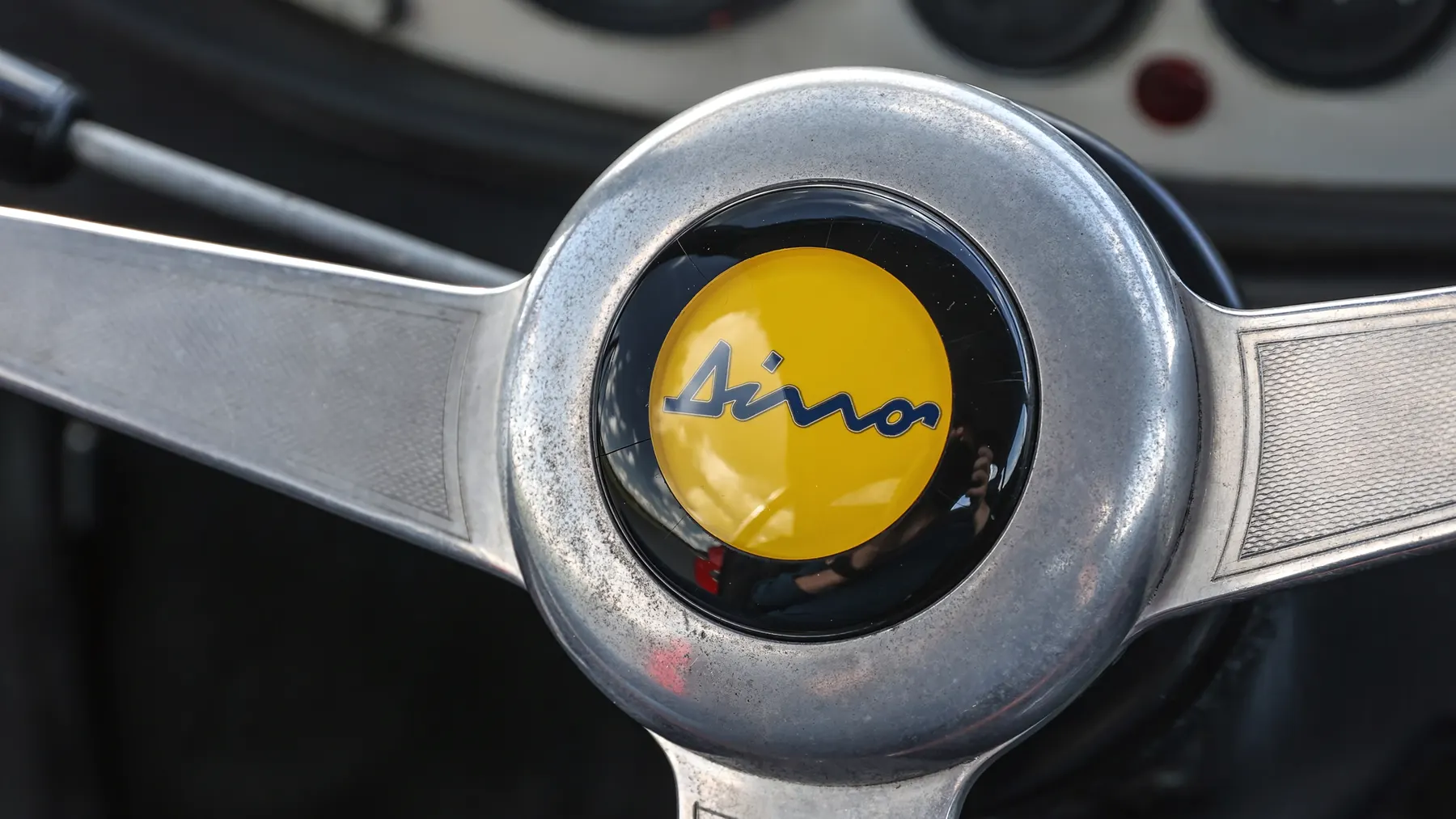
Decades have passed since the Dino 206 GT graced the automotive world, but its allure remains as strong as ever. Enthusiasts and collectors continue to be drawn to its captivating Italian design. The car’s flowing and evocative shape encapsulates the timeless trends of Italian design in the 1960s.
In conclusion, the 1968 Ferrari Dino 206 GT is a work of art that melds form and function in a way that few automobiles have achieved. Its aesthetics are only the tip of the iceberg. The 206 GT’s innovations in design, engineering, and nomenclature laid the foundation for the Dino brand’s enduring legacy within the Ferrari family. It’s a car that deserves its place in the annals of automotive history and continues to inspire a deep passion among car enthusiasts worldwide.**