1966 Porsche 906 Carrera 6
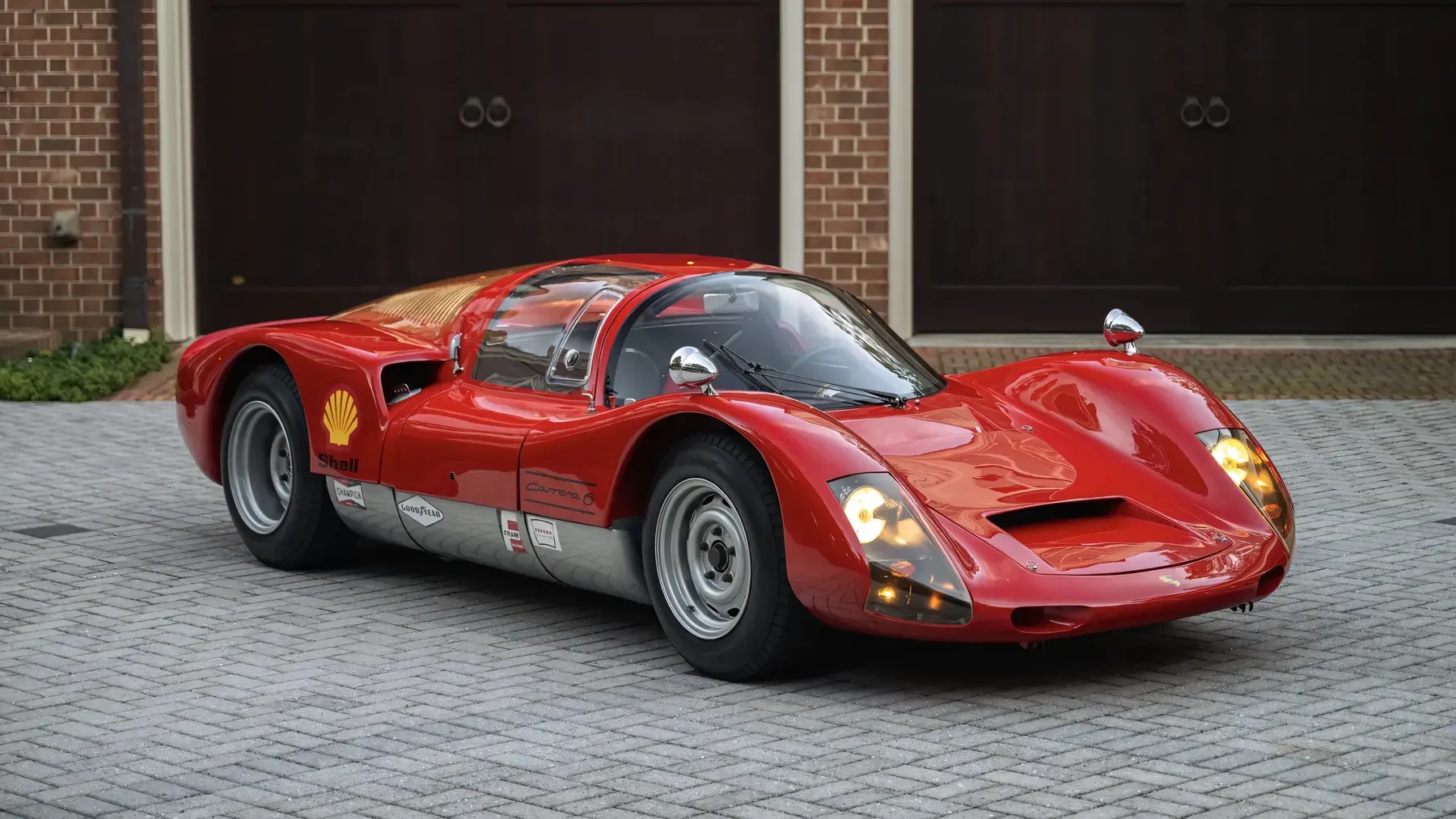
The Porsche 906 Carrera 6, introduced in 1966, stands as a hallmark of mid-century automotive engineering and design. As a successor to the 904, this street-legal racing machine met FIA Group 4 Sports Car homologation requirements with 50 examples produced. Its influence extended well beyond its debut year, leaving a lasting legacy in motorsport history.
Ferdinand Piëch, Ferdinand Porsche’s grandson, led the development of the 906. His focus was on reducing weight without compromising performance. This ambition led to the use of a fiberglass body applied by hand, replacing the steel construction of the 904. The results were striking: the 906 weighed a mere 580 kg (1,280 lbs), about 113 kg lighter than its predecessor. This was achieved not just through the body design but also by utilizing a lightweight 2.0-liter, six-cylinder engine, producing 210 horsepower at 8,000 rpm. Factory racing versions occasionally featured an even more powerful eight-cylinder engine for specific events like hill climbs.
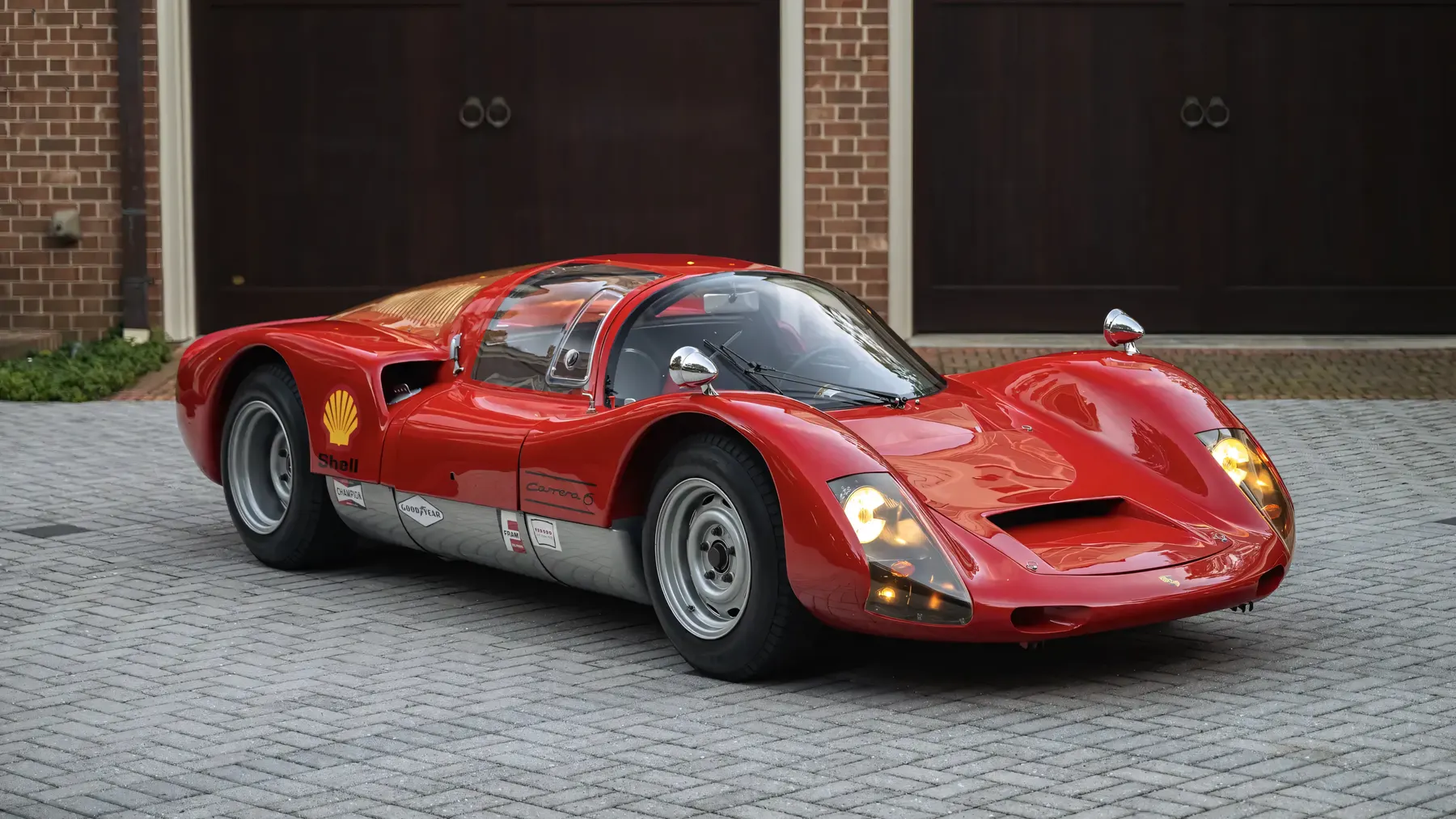
The 906 featured a multi-tubular spaceframe chassis, ensuring stiffness while keeping weight to a minimum. Its body was aerodynamically tested in a wind tunnel, a rare step for its time, enabling a top speed of 280 km/h (170 mph) at Le Mans. The gull-wing doors and large plexiglass engine cover enhanced its futuristic appearance and practicality. Porsche also incorporated exotic materials, such as titanium connecting rods and a magnesium crankcase, to maximize engine efficiency.
Despite its cutting-edge design, cost-saving measures were evident. Suspension components from the 904 and a five-speed manual gearbox from the 911 were reused. The 906 also retained 15-inch wheels with five-lug nuts, which, while practical for road cars, cost time during pit stops compared to the single-nut designs used in Formula One.
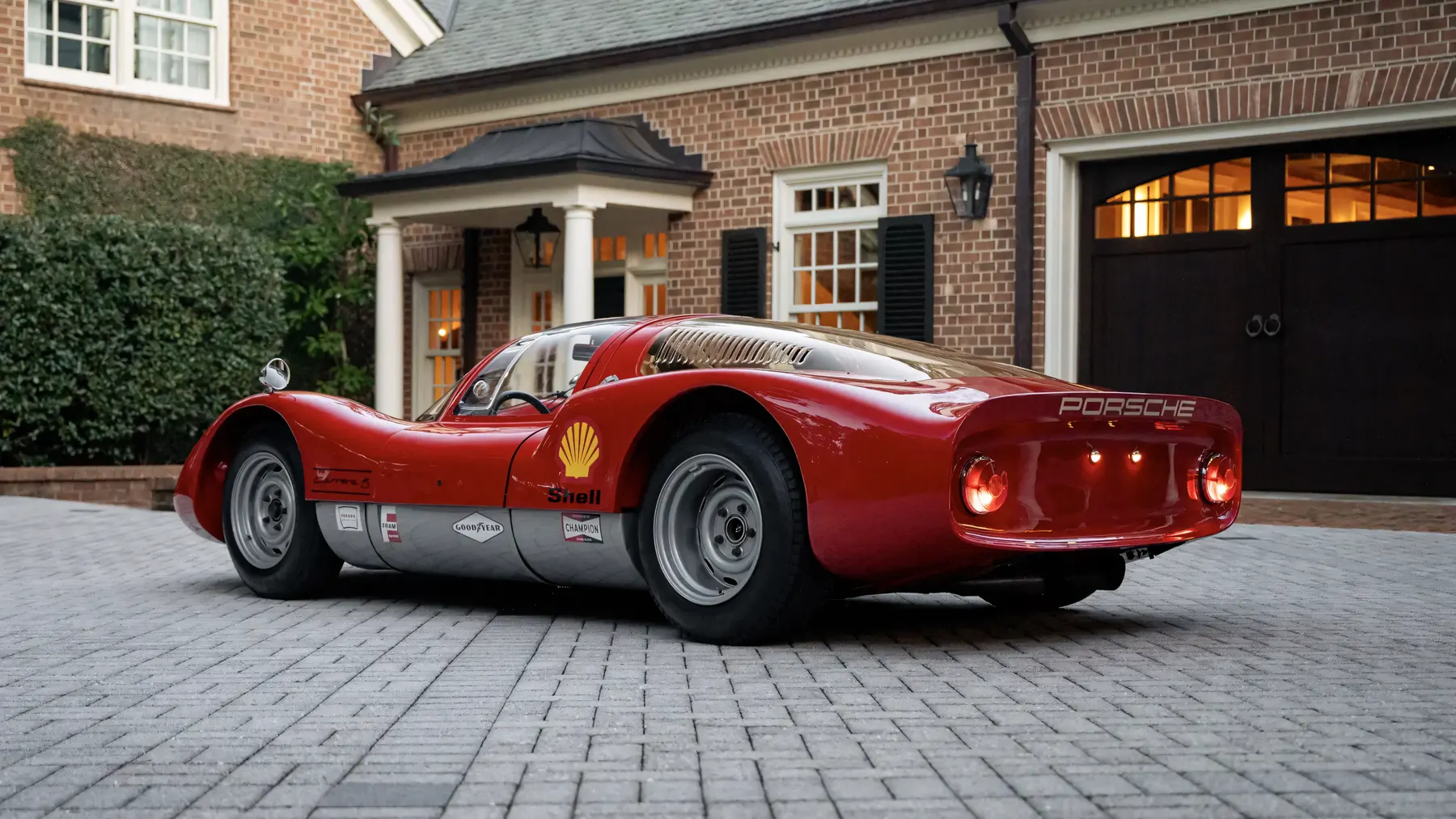
The Porsche 906 proved its mettle on the track, debuting at the 1966 24 Hours of Daytona with a 6th-place overall finish and a class victory over Ferrari Dino 206 Ps. It continued to dominate with class wins at Sebring, Monza, Spa, and the Nürburgring. At the 1966 Targa Florio, a privately entered 906 secured overall victory, cementing its reputation.
Notably, at the 24 Hours of Le Mans in 1966, the 906 swept 4th through 7th positions, outlasting Ferrari’s V12 competition and showcasing Porsche’s engineering prowess. Beyond endurance racing, the 906 excelled in hill climbs and SCCA events, with privateer drivers extending its competitive lifespan into the late 1960s.
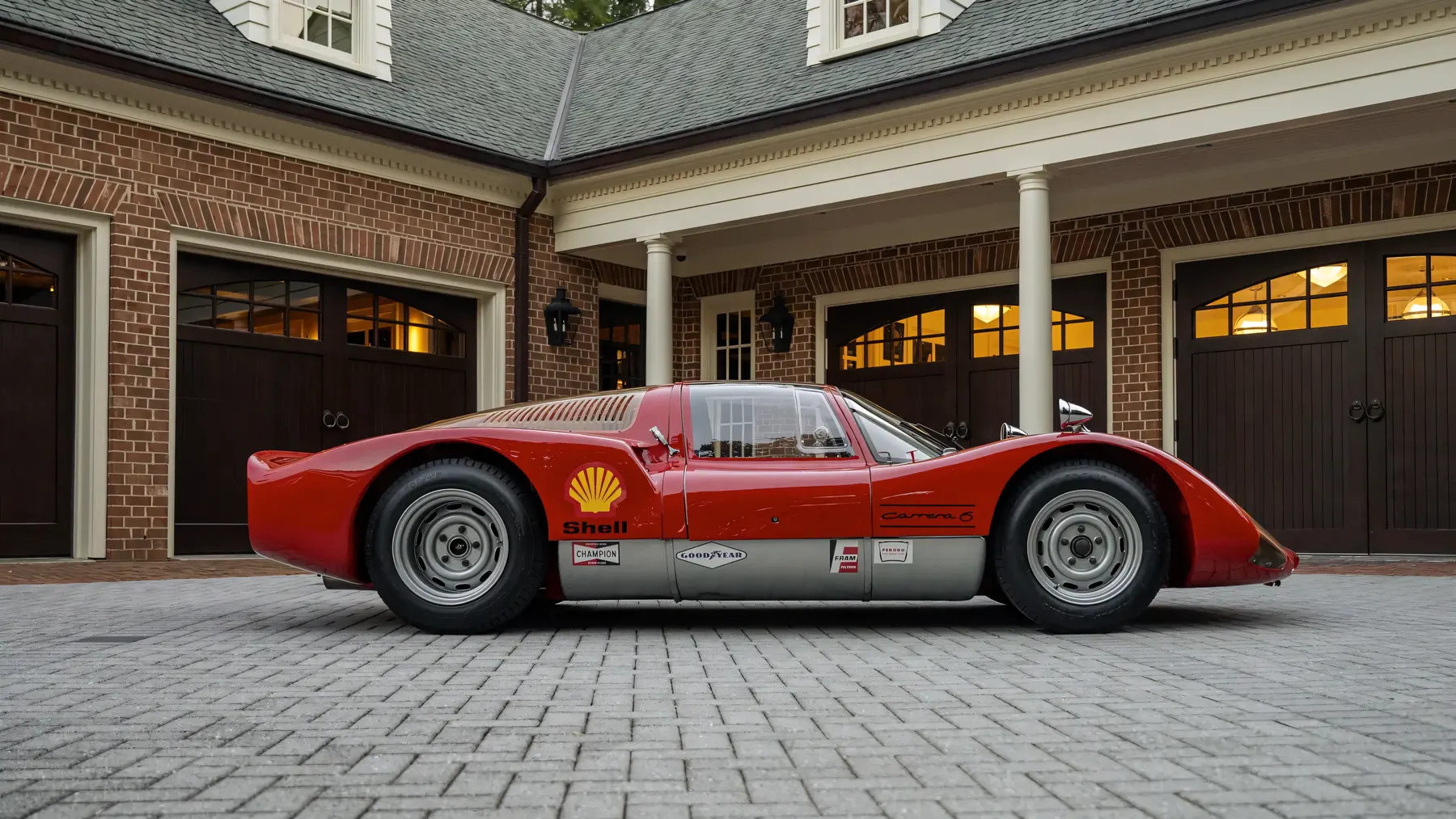
The 906 marked a shift from Porsche’s earlier designs. While the 904 represented the ultimate racing variant of the four-cylinder 356, the 906 was the first to incorporate elements of the new 911 road car. Its aerodynamic shape, featherweight construction, and exceptional power-to-weight ratio made it one of the most formidable competition cars of its era.
A total of 65 units were produced, 52 of which featured the 2.0-liter engine. The 906’s dominance in the 2-liter endurance class for two seasons underlined its racing pedigree, while its striking design became a symbol of Porsche’s innovative approach to motorsport.
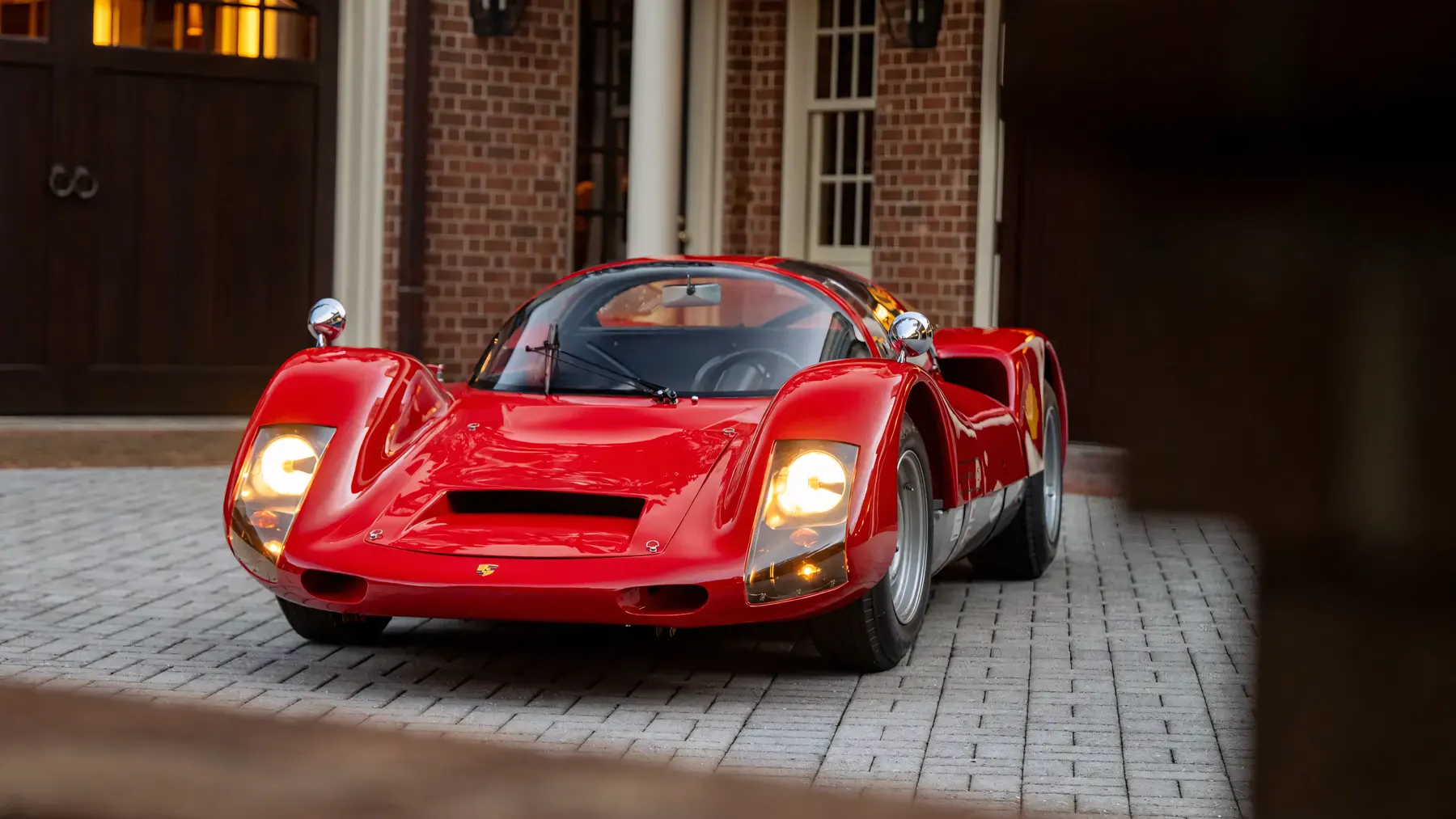
Today, the Porsche 906 Carrera 6 is celebrated not only for its achievements but also for its role as Porsche’s final road-legal race car. Its shape and engineering brilliance continue to resonate with enthusiasts, securing its place alongside icons like the 911 in Porsche’s storied history.