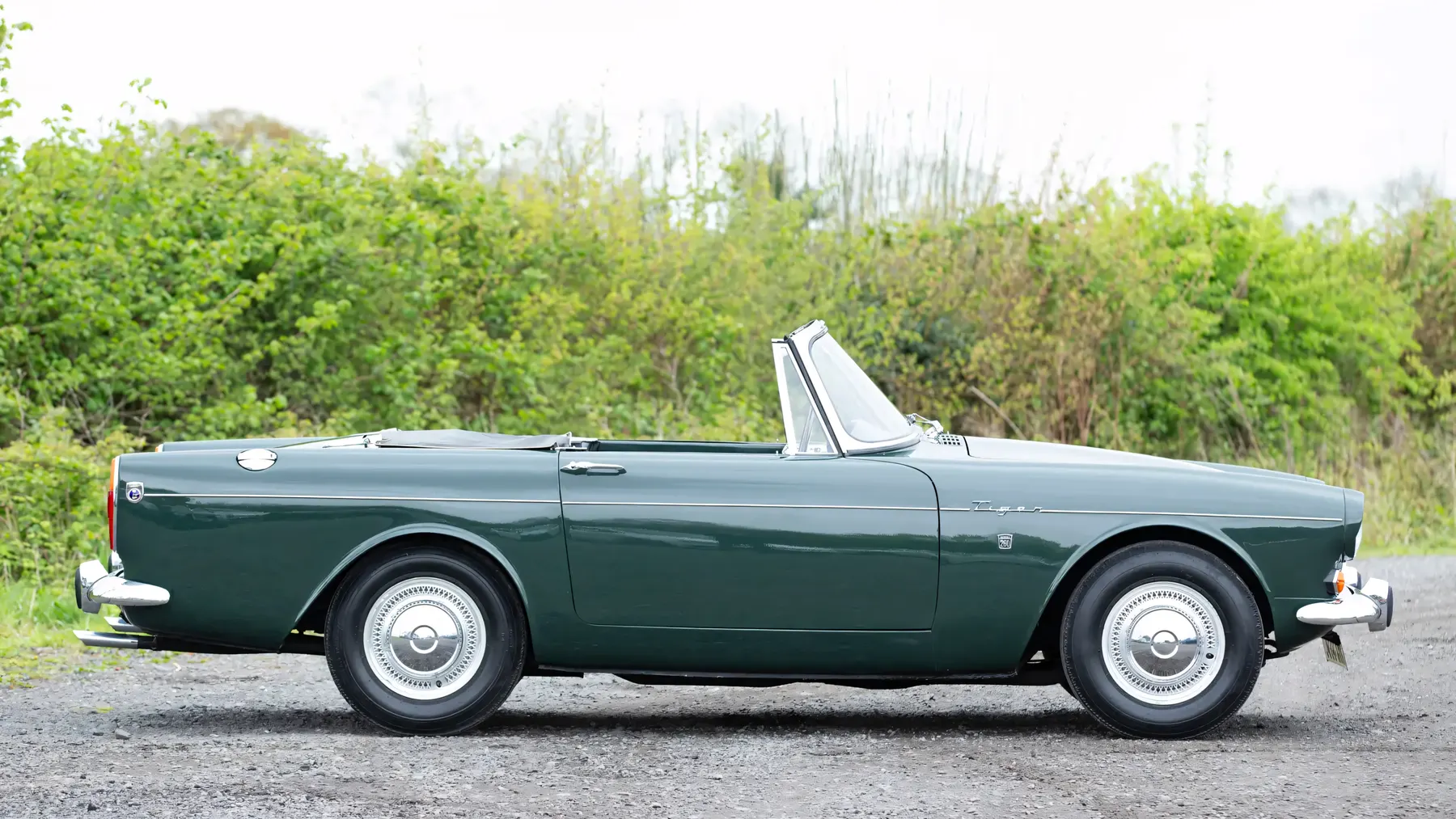
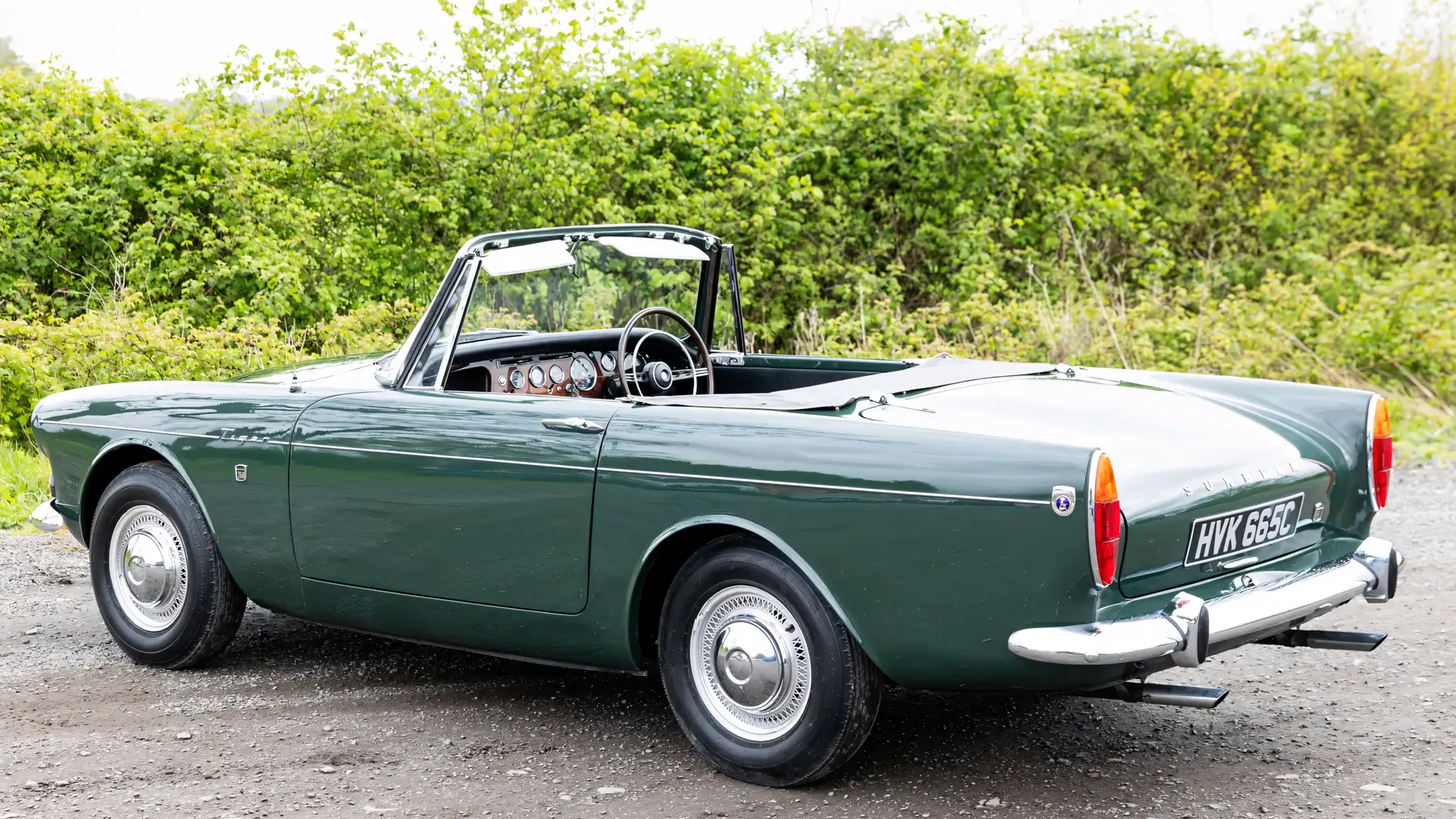
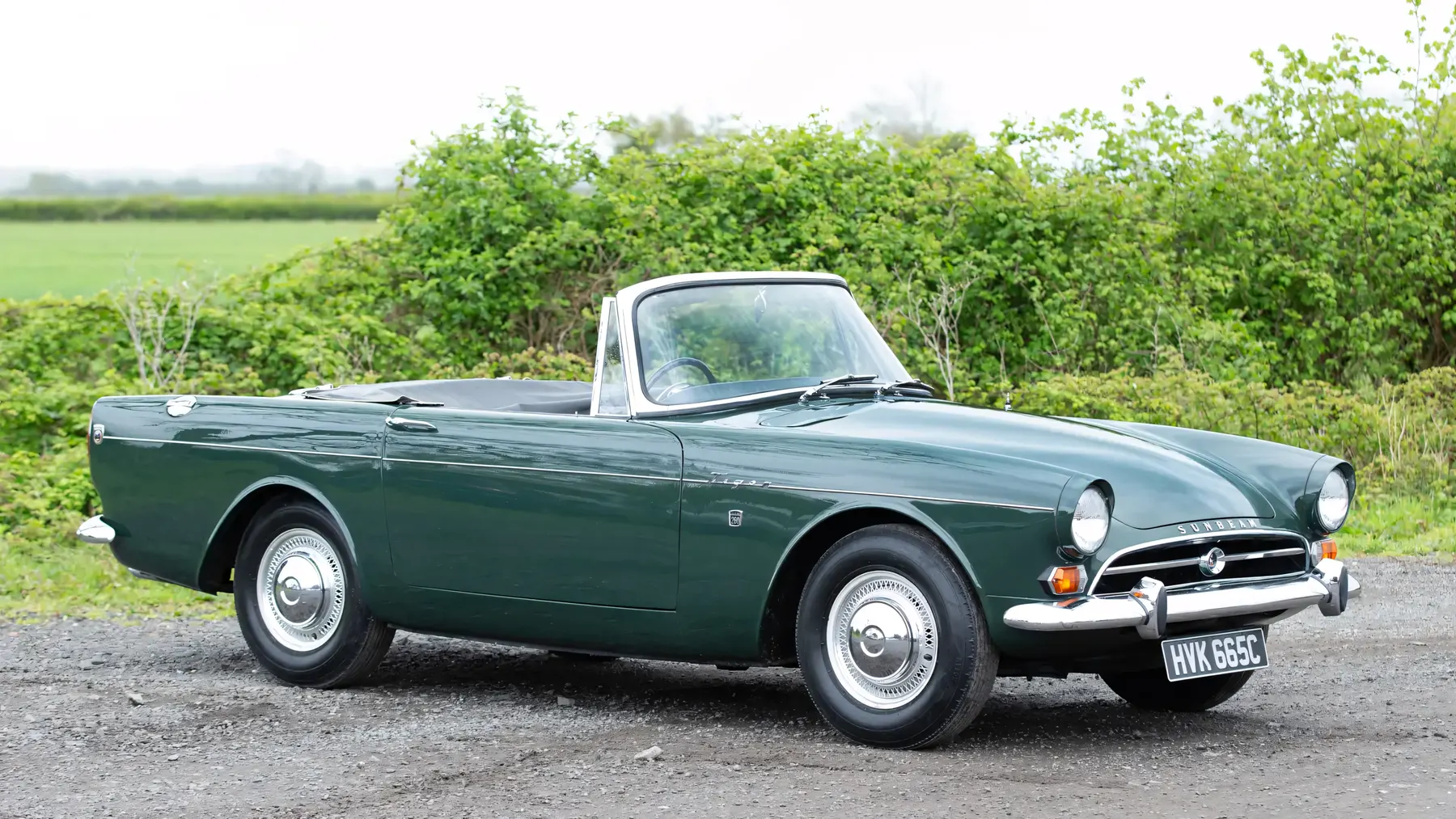
1965 Sunbeam Tiger Mk I
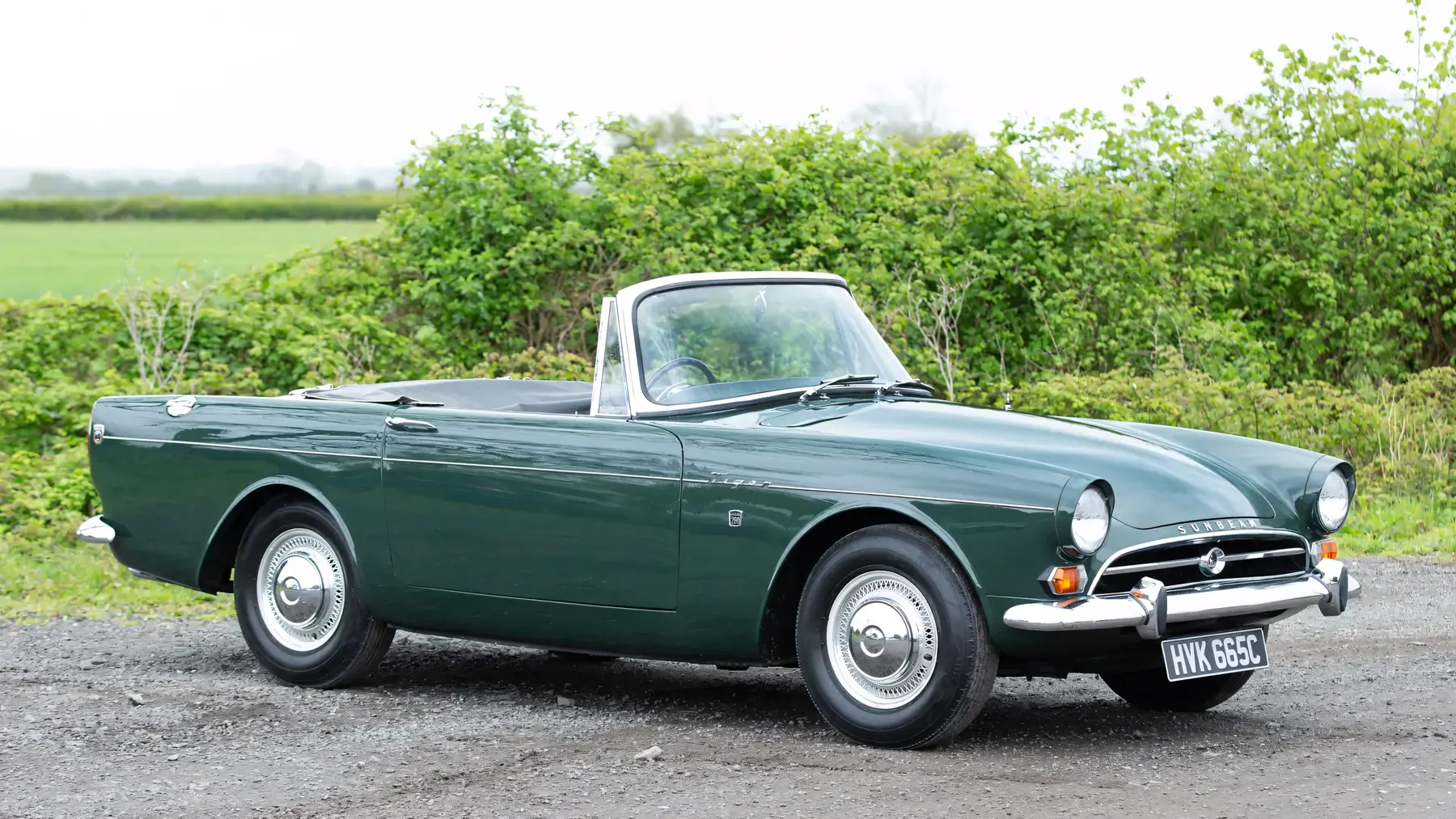
The Sunbeam Tiger Mark I represents one of automotive history’s most fascinating examples of international collaboration and engineering audacity. What started as a British roadster’s need for more power evolved into a transatlantic partnership that created something truly extraordinary.
The story begins with the Sunbeam Alpine, introduced by Rootes in 1959. While the Alpine possessed elegant British styling and decent handling characteristics, it lacked the power necessary to compete effectively in global markets, particularly against American muscle. Rootes recognized this limitation but faced the harsh reality of limited resources and no suitable engine for development.
The solution came from an unexpected source. In 1962, racing driver and Formula 1 champion Jack Brabham suggested fitting the Alpine with a Ford V8 engine to Rootes competition manager Norman Garrad. This idea reached Ian Garrad, the West Coast Sales Manager, who lived conveniently near Carroll Shelby’s operation in California.
The initial feasibility study involved Ian Garrad measuring the Alpine’s engine bay with what journalist William Carroll described as “a ‘precision’ instrument of questionable antecedents” - a wooden yardstick. Service manager Walter McKenzie then visited local dealerships, ultimately determining that the Ford 260 V8 appeared suitable for the conversion.
Racing driver Ken Miles proved the concept with remarkable speed, building a running prototype in about a week using just $800, a Series II Alpine, a Ford V8 engine, and a 2-speed automatic transmission. Meanwhile, Shelby developed his more refined “white car” prototype, which impressed Rootes executives so thoroughly that John Panks wrote enthusiastically about having “a tremendously exciting sports car which handles extremely well and has a performance equivalent to an XX-K Jaguar”.
Installing the Ford 260 V8 into the Alpine presented significant challenges. The American engine measured only 3.5 inches longer than the British four-cylinder it replaced, but width proved the primary concern. Carroll Shelby famously described the fit as requiring a shoehorn, noting there was “a place for everything and a space for everything, but positively not an inch to spare”.
The transformation required several key modifications. The most significant change involved replacing the Burman recirculating ball steering mechanism with a more modern rack and pinion system. Despite the engine producing twice the power of the original Alpine unit, the Tiger’s weight increased by only 20 percent, from 1,010 kilograms to 1,203 kilograms. Remarkably, the weight distribution remained nearly identical to the Alpine’s, maintaining the excellent 51.7/48.3 front-to-rear balance.
The Ford V8 weighed approximately 200 kilograms, making it relatively light for its displacement and power output. This contributed significantly to the Tiger’s impressive performance characteristics while avoiding the handling compromises that typically accompany such dramatic power increases.
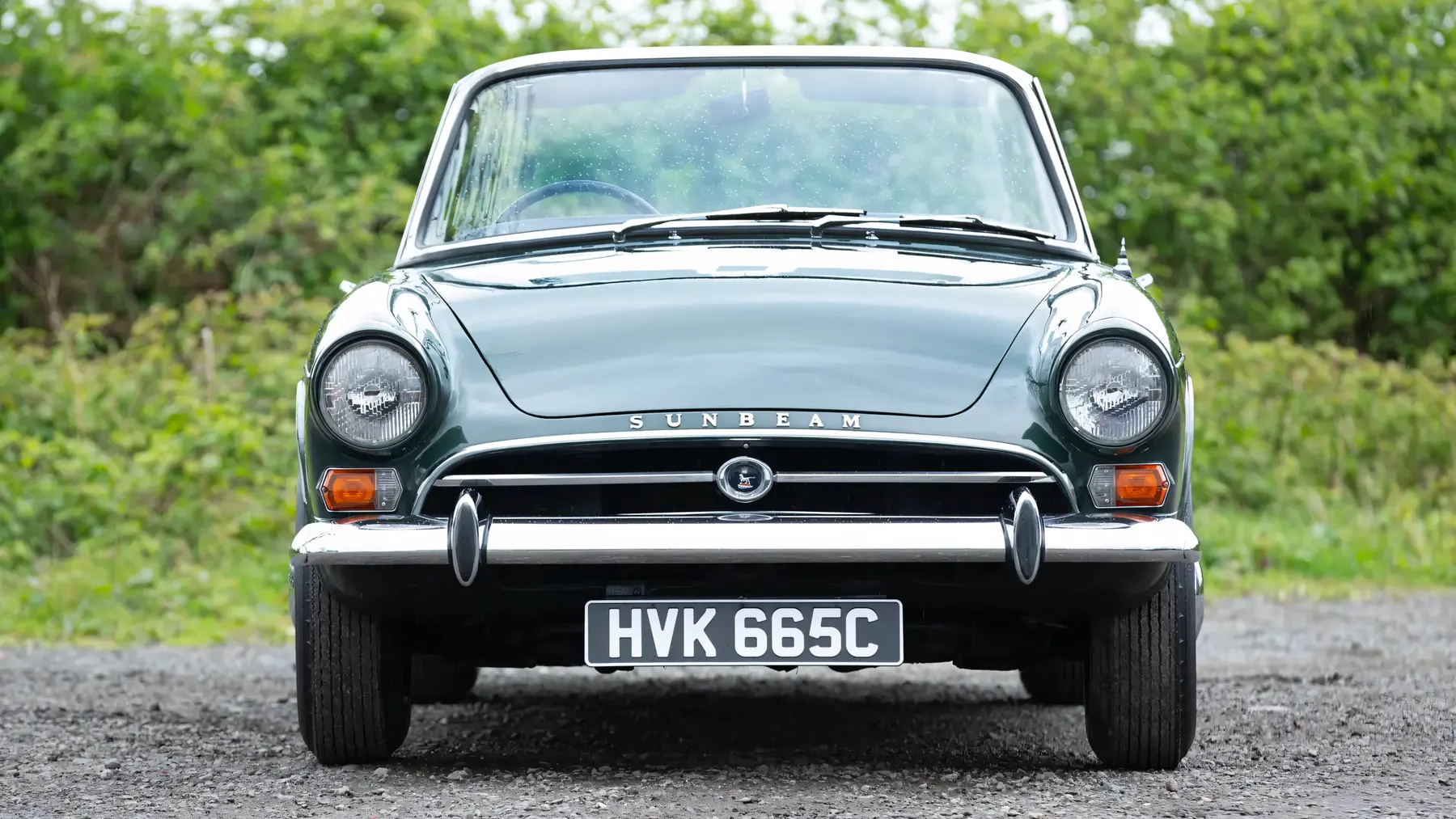
The Mark I Tiger’s performance figures tell an impressive story. The 260 cubic inch Ford V8 produced 164 brake horsepower at 4,400 rpm, enabling the car to accelerate from zero to 97 kilometers per hour in just 8.6 seconds while achieving a top speed of 190 kilometers per hour. These numbers placed it firmly in sports car territory, competing directly with much more expensive European alternatives.
The suspension system required minimal modifications despite the power increase. Engineers added stiffer front springs to handle the V8’s additional weight and installed a Panhard rod to better locate the rear axle. The braking system featured Girling-manufactured components with 250-millimeter discs at the front and 229-millimeter drums at the rear.
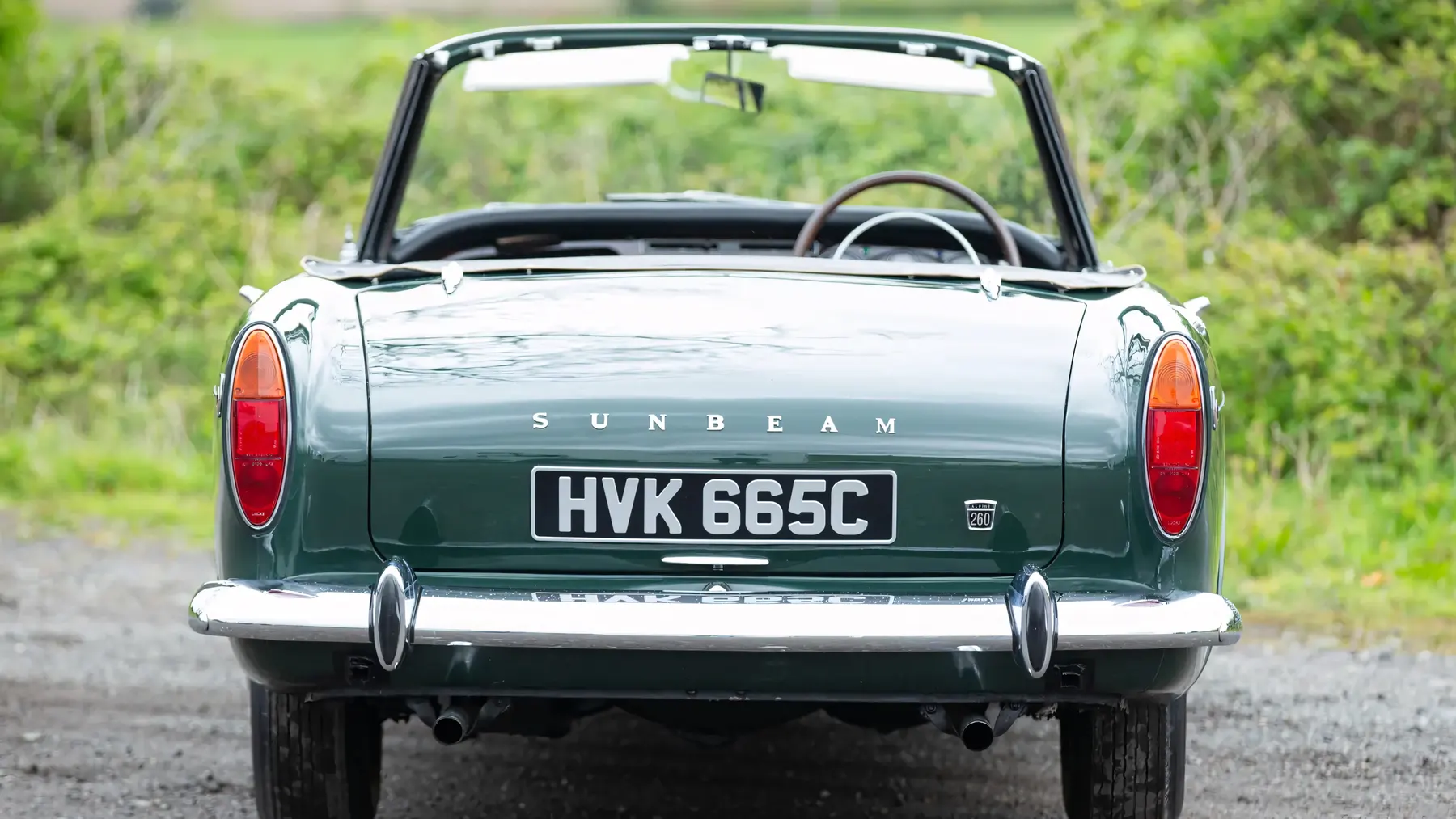
Lord Rootes himself drove the Shelby prototype and was so impressed that he contacted Henry Ford II directly to negotiate engine supply arrangements. Rootes placed an initial order for 3,000 engines, reportedly the largest single order Ford had ever received from another automobile manufacturer.
Production began in June 1964, less than a year after completing the Shelby prototype. However, Rootes decided against giving Shelby the production contract, instead awarding it to Jensen in West Bromwich, England, while paying Shelby an undisclosed royalty on every car produced. Jensen could accommodate the project because their Volvo P1800 assembly contract had recently been cancelled.
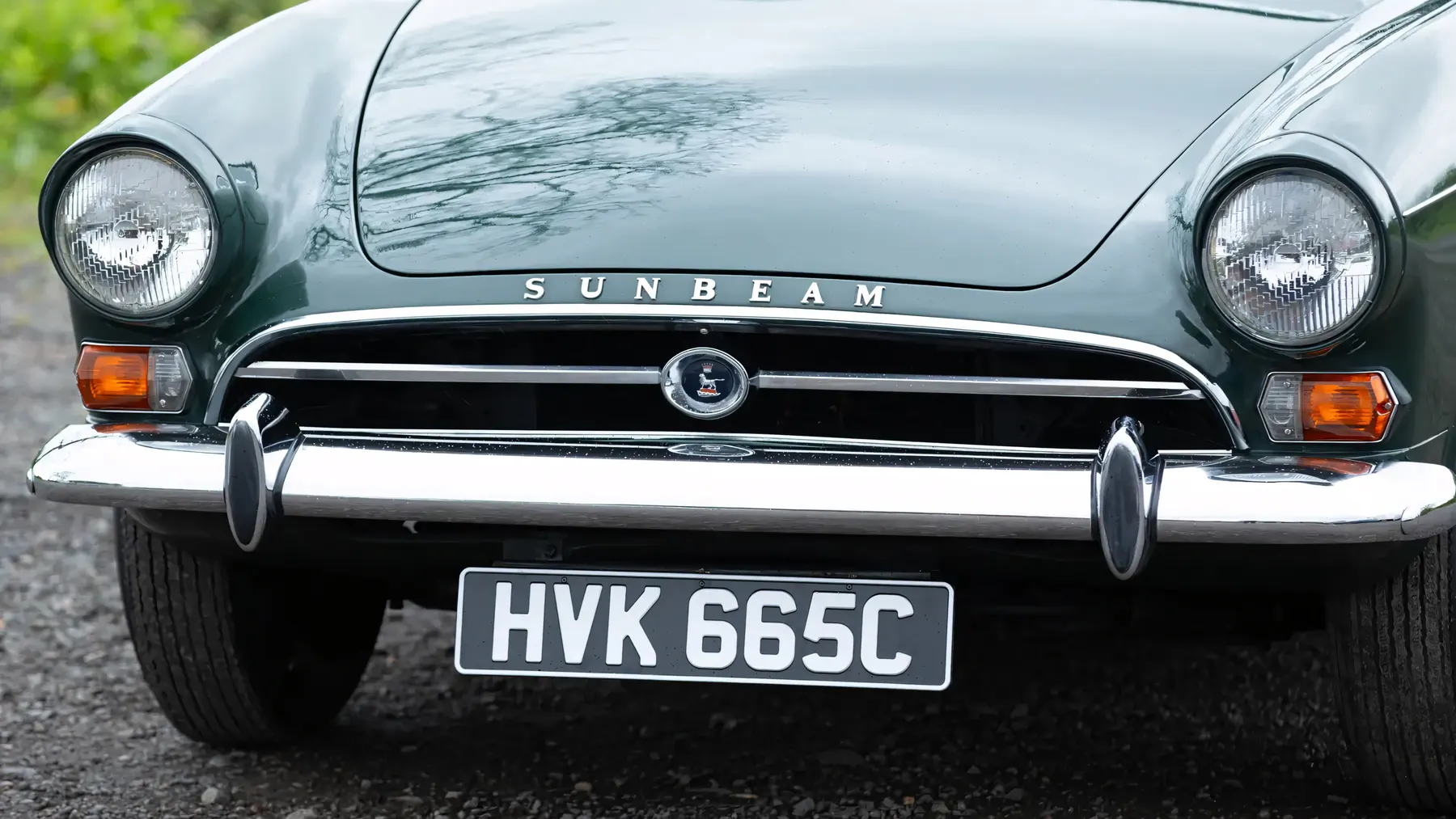
The manufacturing process required some unusual methods, including using sledgehammers to modify the already painted bulkhead to allow engine installation. Jensen eventually achieved production rates of up to 300 Tigers monthly.
Initially available only in North America, the Tiger was priced at $3,499 when it debuted. British sales began in March 1965 at £1,446. The automotive press responded enthusiastically, with Motor Sport magazine concluding that “No combination of an American V8 and a British chassis could be happier”.
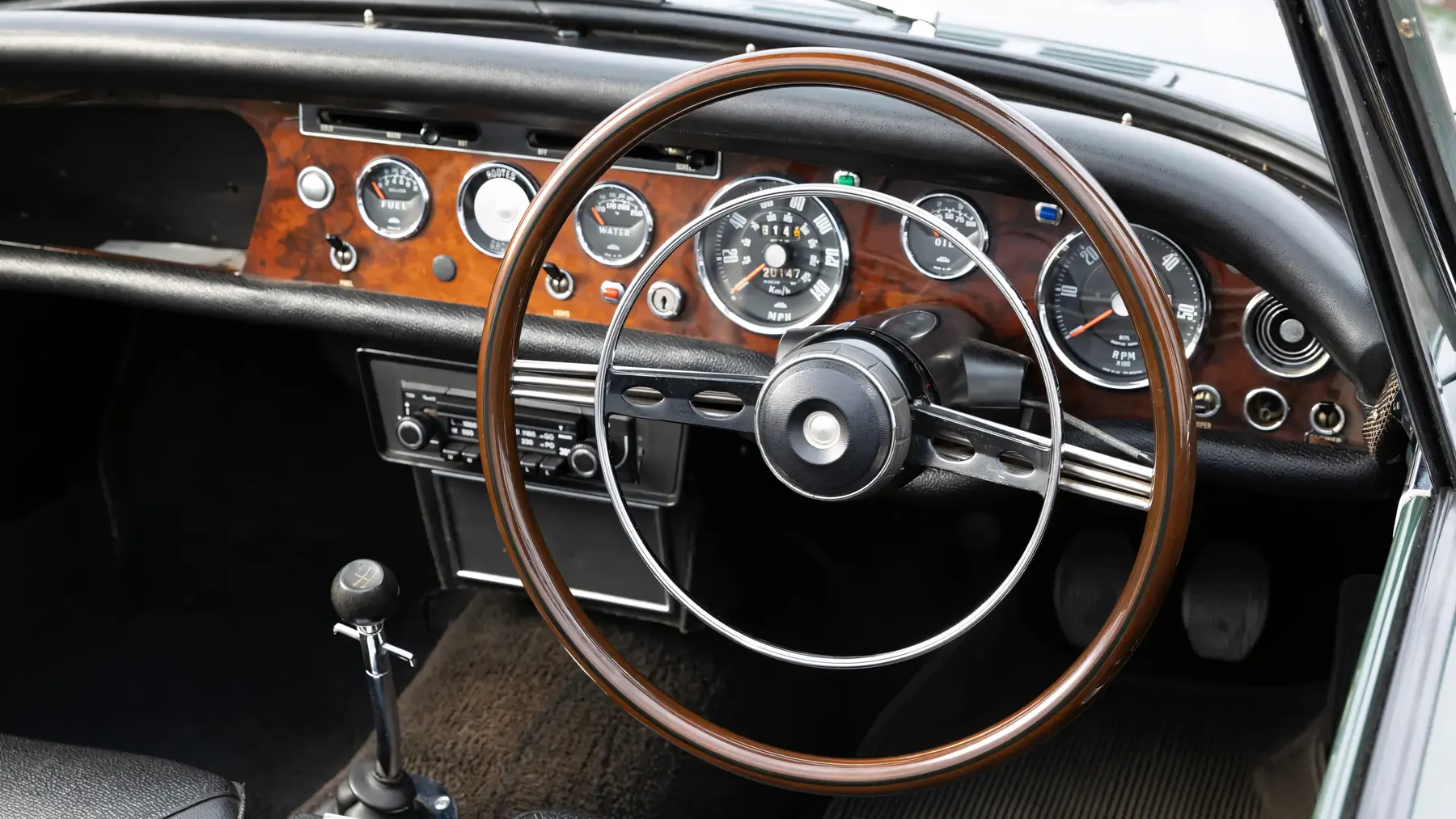
The Tiger gained additional fame through its starring role in the television series “Get Smart,” where it served as Maxwell Smart’s vehicle for the first two seasons. This exposure helped cement the car’s place in popular culture and contributed to its lasting appeal.
Production ceased in 1967 following Chrysler’s acquisition of Rootes. The new American owner found manufacturing a car powered by a competitor’s engine unacceptable, but Chrysler’s own engines were too large to fit the Tiger’s engine bay without major modifications. The final Tiger rolled off Jensen’s assembly line on June 27, 1967.
The Sunbeam Tiger Mark I stands as a testament to creative engineering and international cooperation. Its brief production run of just over 7,000 cars across all variants makes it a rare automotive gem that successfully combined British styling with American power, creating something greater than the sum of its parts.