1959 Rolls-Royce Silver Cloud I Drophead Coupé Adaptation 'Prototype' by H.J. Mulliner
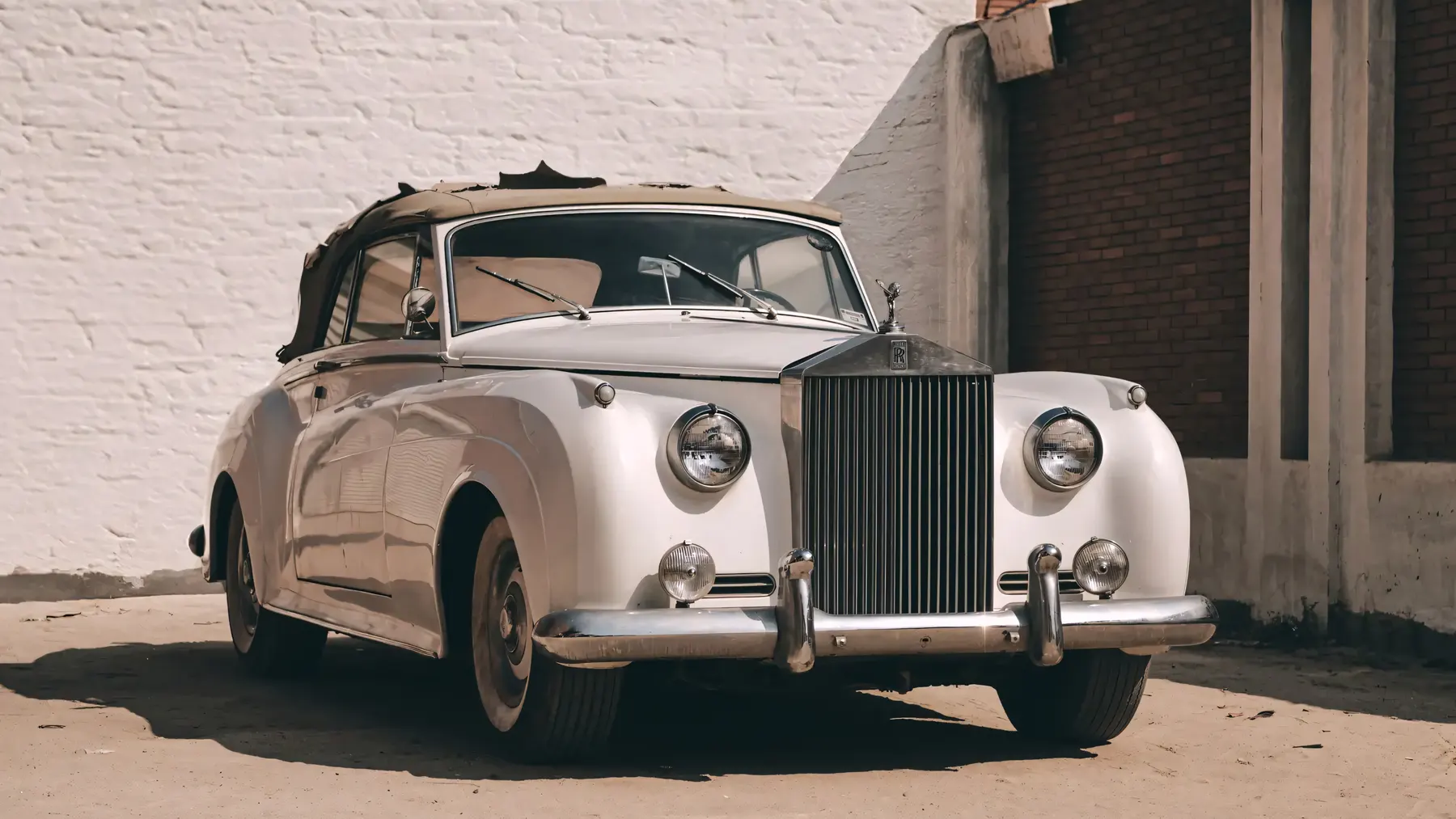
In the pantheon of postwar automotive design, few cars embody the tension between tradition and modernity as elegantly as the Rolls-Royce Silver Cloud I Drophead Coupé Adaptation by H.J. Mulliner. Born at a time when coachbuilding faced existential challenges from mass production, this rare prototype and its subsequent limited series bridged eras, blending bespoke craftsmanship with factory efficiency. Its story is one of innovation, artistry, and the quiet audacity to reimagine luxury in a changing world.
The Rolls-Royce Silver Cloud I, introduced in 1955, marked a departure from prewar design language with its clean, modern lines and steel body construction. Yet it remained a favorite among elite coachbuilders, who saw its box-section chassis as a foundation for custom bodies. By the late 1950s, however, the economics of hand-built automobiles had grown untenable. H.J. Mulliner, a storied British coachbuilder, responded with the Drophead Coupé Adaptation,a pragmatic yet visionary solution.
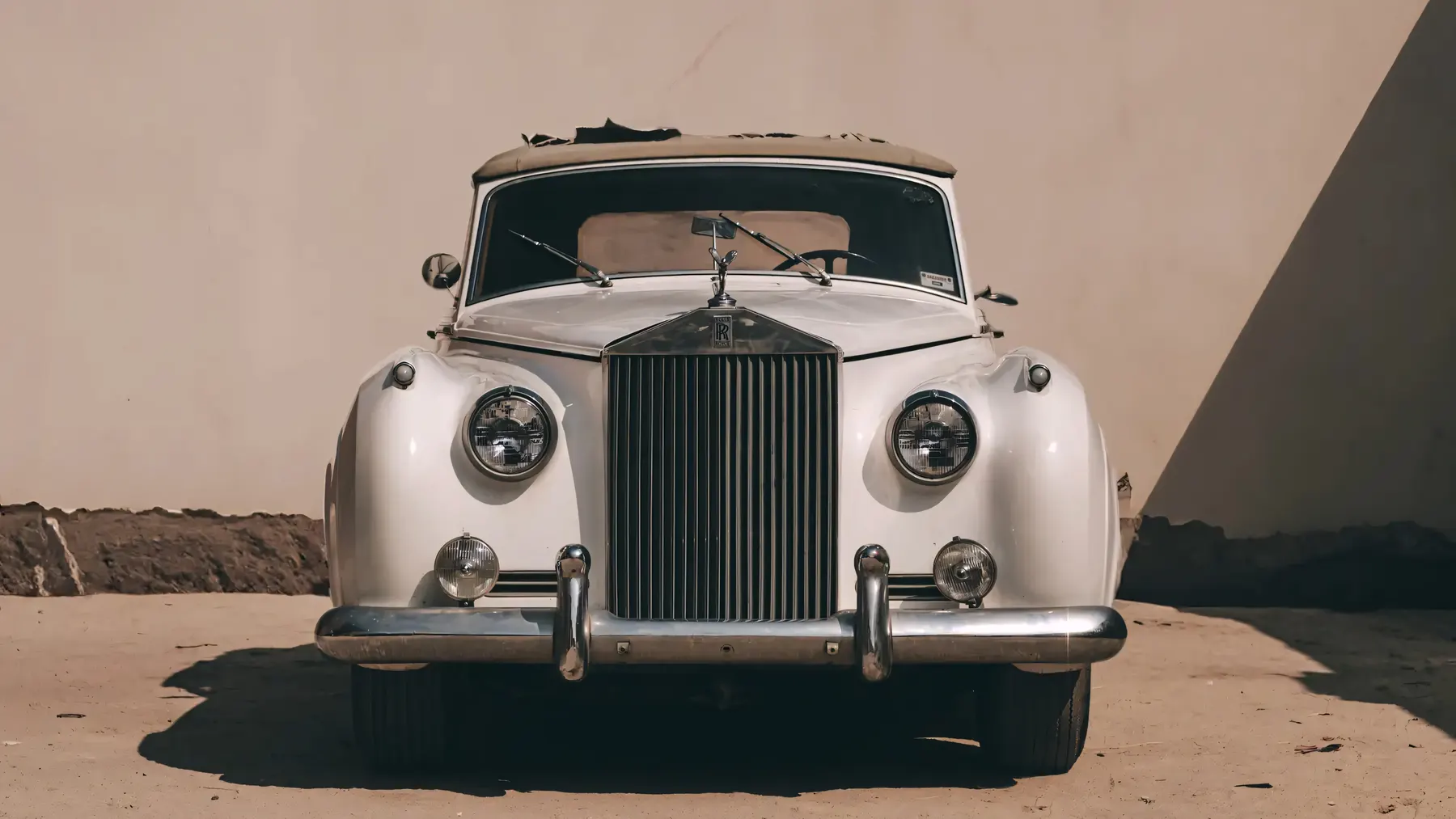
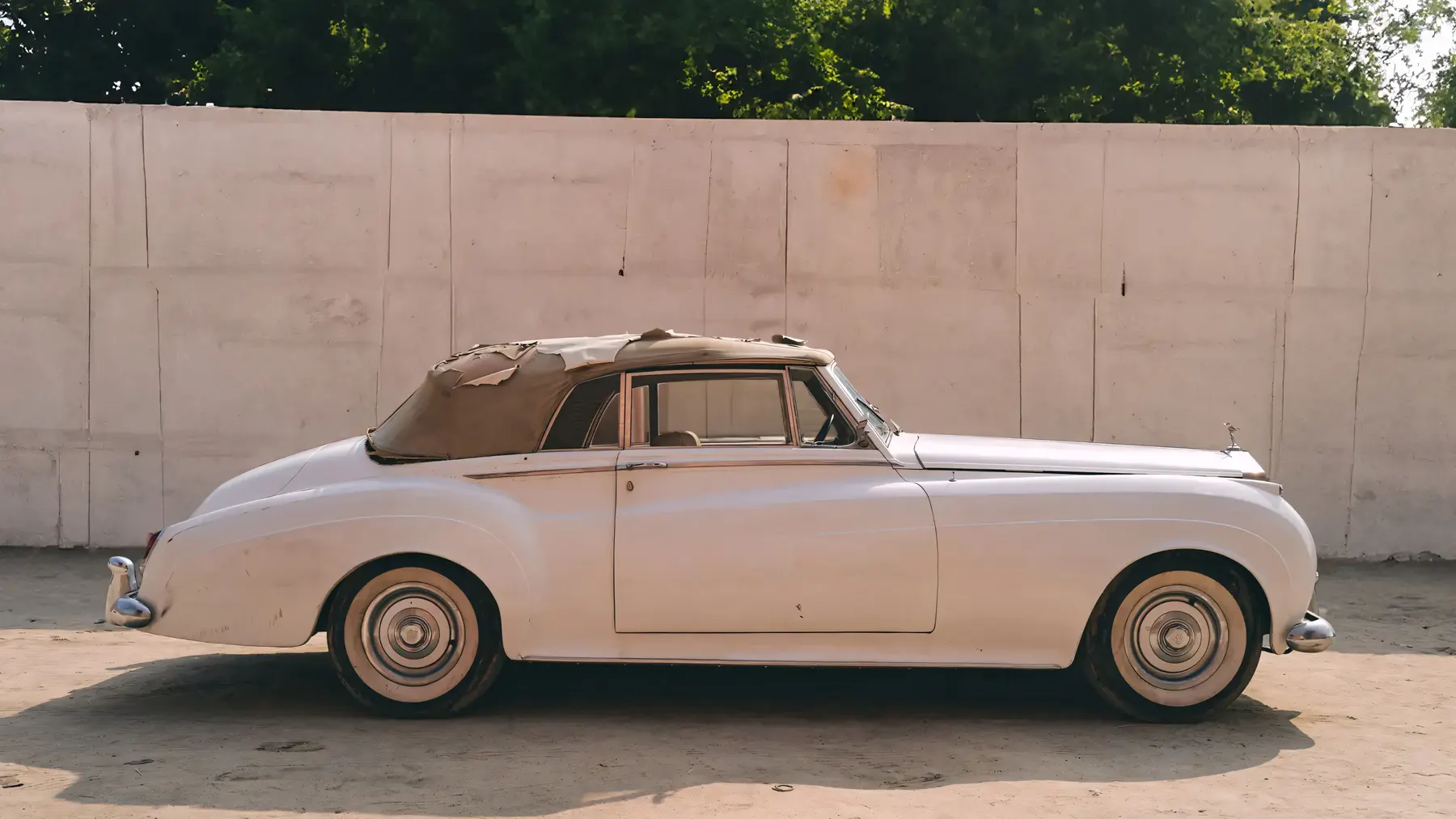
The Adaptation prototype (chassis LSJF60) emerged in 1958 as a radical experiment. Mulliner’s team took a standard Silver Cloud I body shell, stripped its roof with literal hacksaws, and reengineered it into a convertible. The goal was to retain the saloon’s refined aesthetics while reducing labor costs. Rolls-Royce, initially skeptical, collaborated closely, providing unpainted bodies and integrating Mulliner’s structural modifications into their production process. The result was a car that looked factory-made but bore the fingerprints of artisans.
Visually, the Adaptation was a study in restraint. Unlike flamboyant contemporaries, it hewed closely to the Silver Cloud I’s design, preserving its stately proportions and understated chrome accents. The most significant change,the power-operated soft top,was seamlessly integrated, folding flush beneath a metal tonneau cover to maintain the car’s unbroken silhouette. The roofline was subtly lowered, and the rear quarters gently tapered, lending a sportier profile without sacrificing elegance.
Inside, Mulliner’s artisans transformed the cabin. Rear seats were reshaped to accommodate convertible mechanisms, while bespoke wood veneers and Connolly leather upholstery elevated the ambiance. The dashboard, borrowed from the saloon, featured Smiths instruments in a symmetrical layout, but with unique finishes tailored to each owner’s preferences. This balance of familiarity and customization became the Adaptation’s hallmark.
Beneath its restrained exterior lay ingenious engineering. Removing the roof necessitated reinforcing the body shell at the scuttle (the base of the windshield) and solid-mounting the chassis to maintain rigidity,a departure from Rolls-Royce’s standard flexible mounts. Remarkably, road tests revealed no compromise in ride quality or the marque’s signature silence. Power came from Rolls-Royce’s 4.9-liter inline-six engine, producing 155 horsepower. Though modest by modern standards, its torque-rich delivery and whisper-quiet operation suited the car’s grand touring ethos.
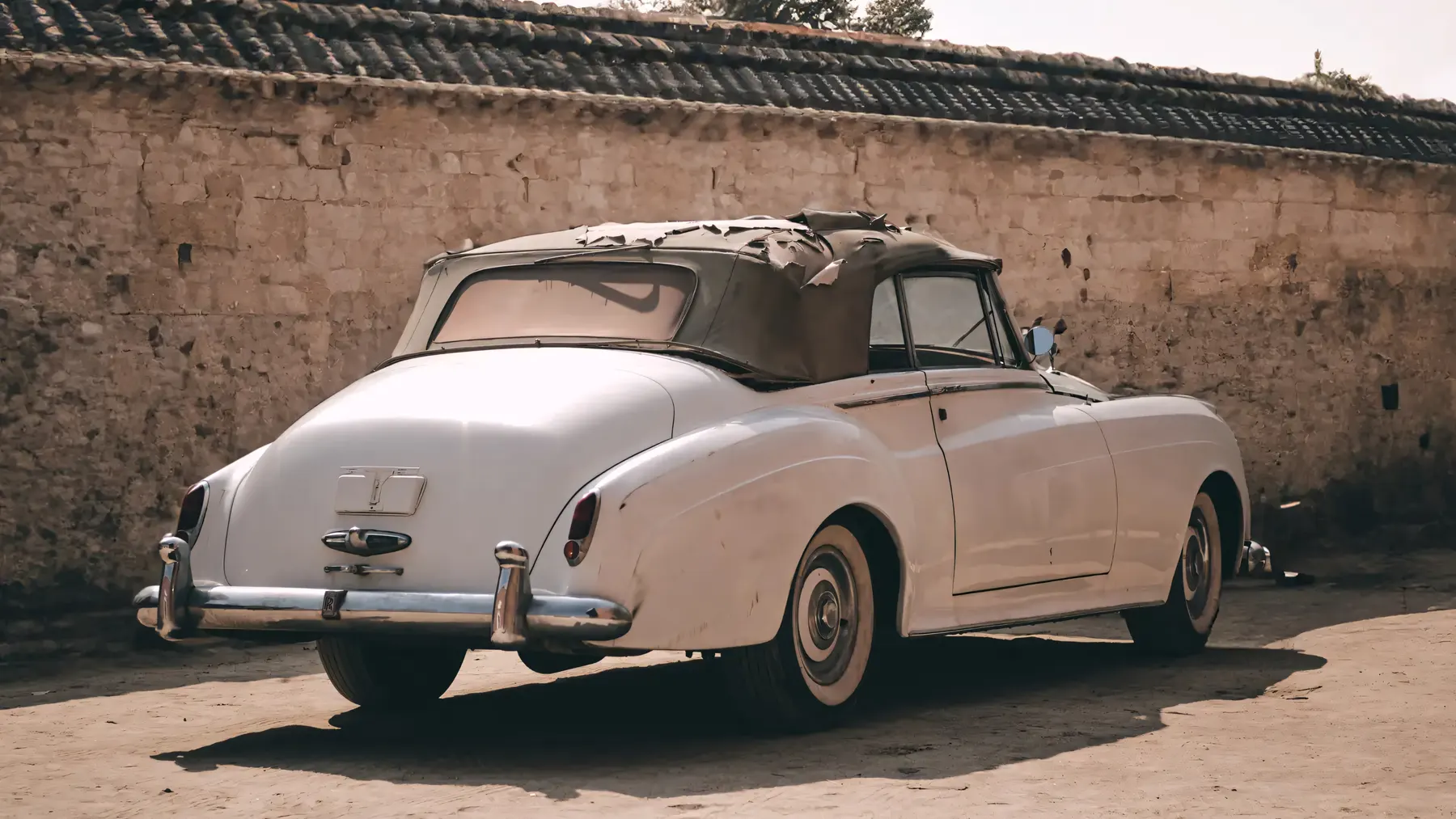
The prototype also debuted technical refinements later adopted in production models. A dual-circuit braking system improved safety, while optional power steering and air conditioning catered to transcontinental clients. These innovations underscored Mulliner’s ability to meld tradition with forward-thinking engineering.
The Adaptation’s brilliance lay in its contradictions. It was a factory-supported coachbuilt car, a democratized luxury object still exclusive enough to be rarer than a Picasso. Only 13 were produced, each subtly distinct. Early examples, like the prototype, featured experimental details such as unique hood scripts and split front bumpers. Later cars incorporated design cues from the Silver Cloud II, including revised lighting and trim.
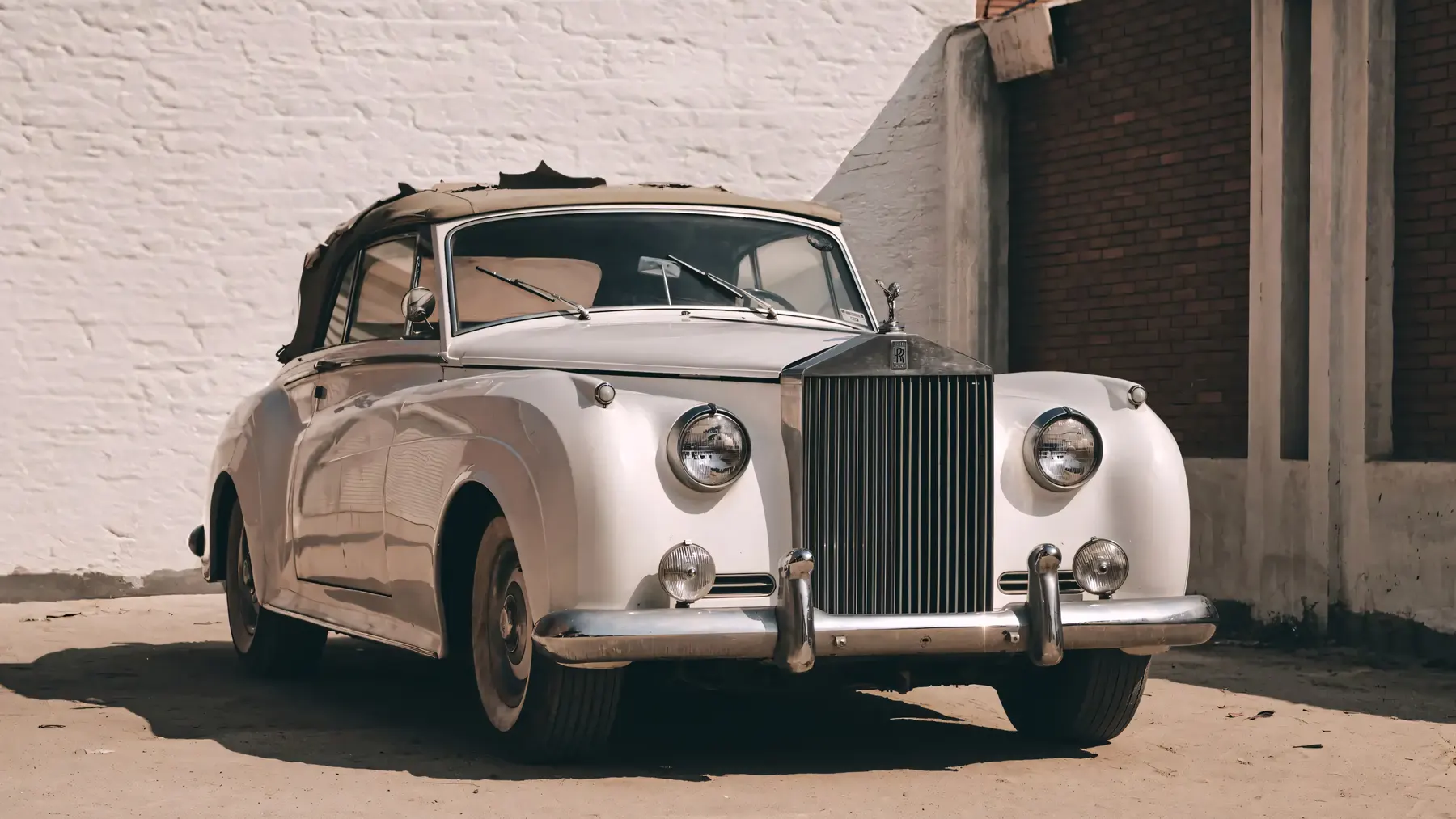
Owners were a discreet cadre of industrialists and tastemakers. George E. Wallace, the prototype’s first custodian, typified this clientele,a paper magnate whose collection included a Duesenberg Model J. For such individuals, the Adaptation offered exclusivity without ostentation, a car equally at home on Newport’s Ocean Drive or parked outside a London club.
Initially, the Adaptation occupied an awkward niche. Priced significantly higher than the standard Silver Cloud I, it struggled against mass-produced rivals like the Cadillac Eldorado. Automotive journalists praised its craftsmanship but questioned its relevance in an era of streamlining. Yet time has been kind to its legacy.
Today, the Adaptation is celebrated as a bridge between hand-built opulence and industrial pragmatism. Its restrained design has aged gracefully, appealing to collectors who value understatement. Surviving examples, like the prototype, are coveted for their provenance and potential as concours d’elegance contenders. A 2017 auction saw a later model sell for $583,000, a testament to its enduring allure.
The Rolls-Royce Silver Cloud I Drophead Coupé Adaptation by H.J. Mulliner is a metaphor for resilience. In an industry racing toward homogenization, it proved that craftsmanship could adapt without compromising. Its legacy endures not in grand innovations, but in the quiet confidence of its design, the harmony of its engineering, and the whispered promise that true luxury lies in the balance between old and new. For those who understand its language, the Adaptation remains a masterclass in elegance, forever suspended between twilight and dawn.