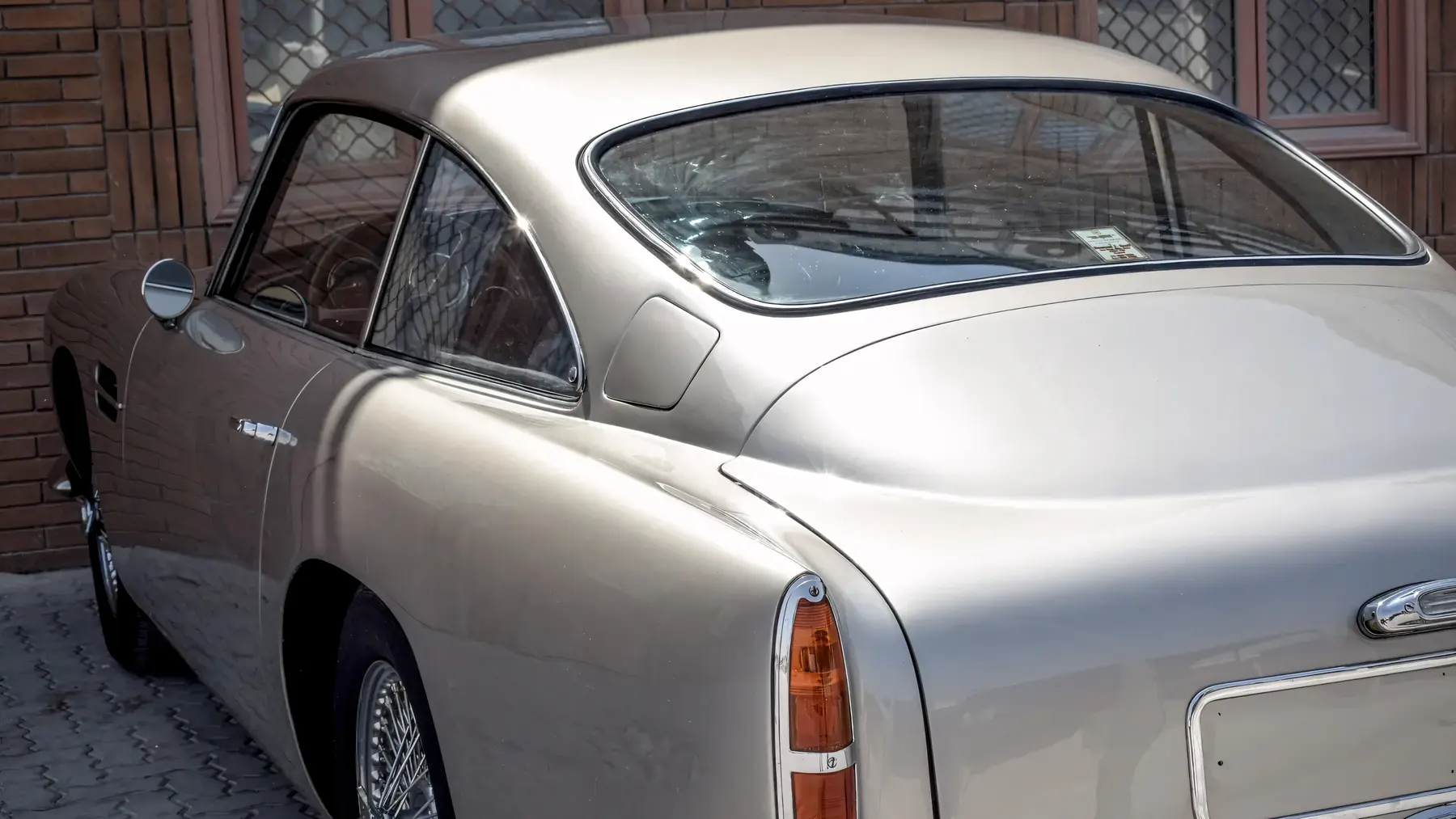
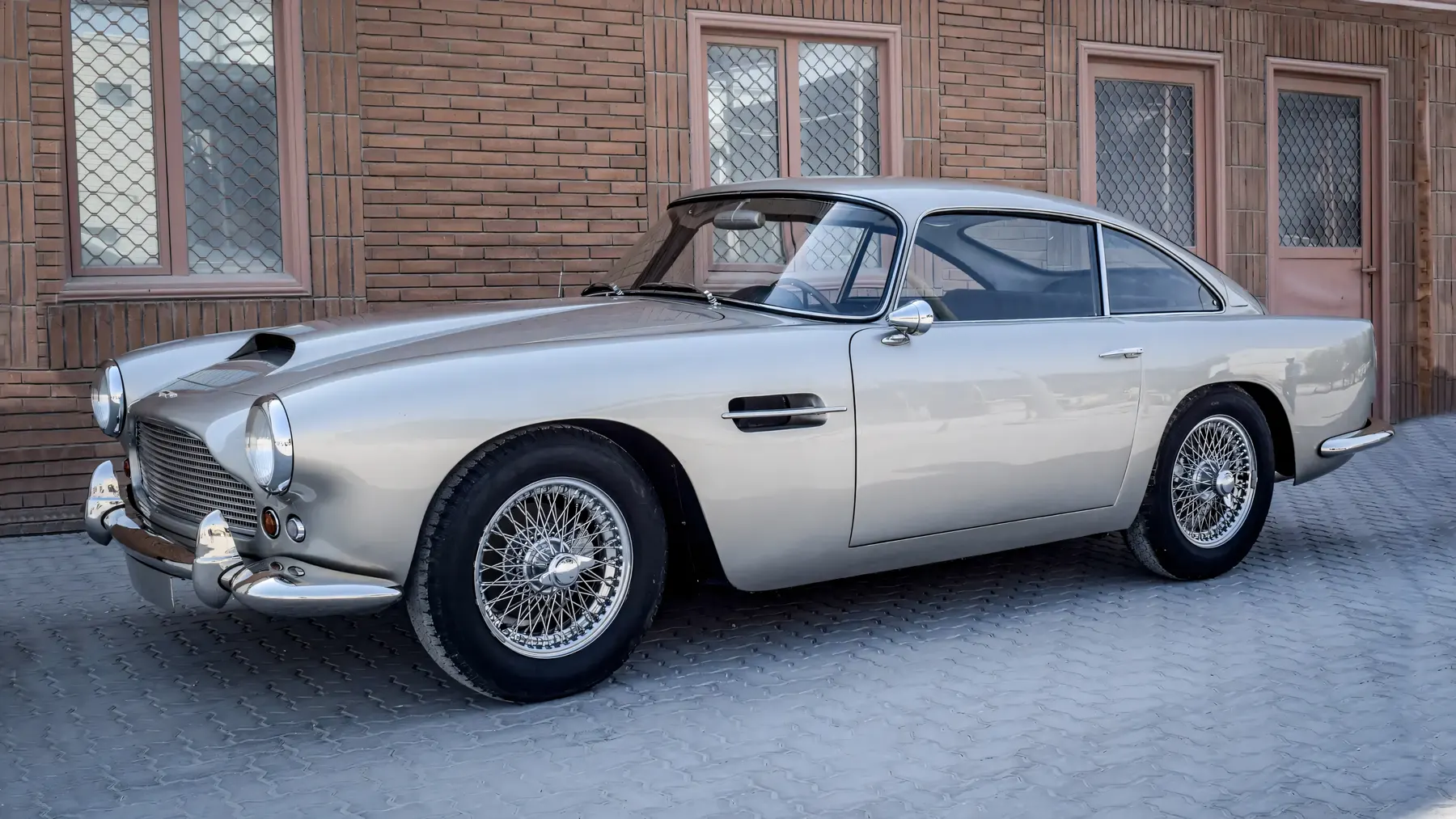
1959 Aston Martin DB4 Series I
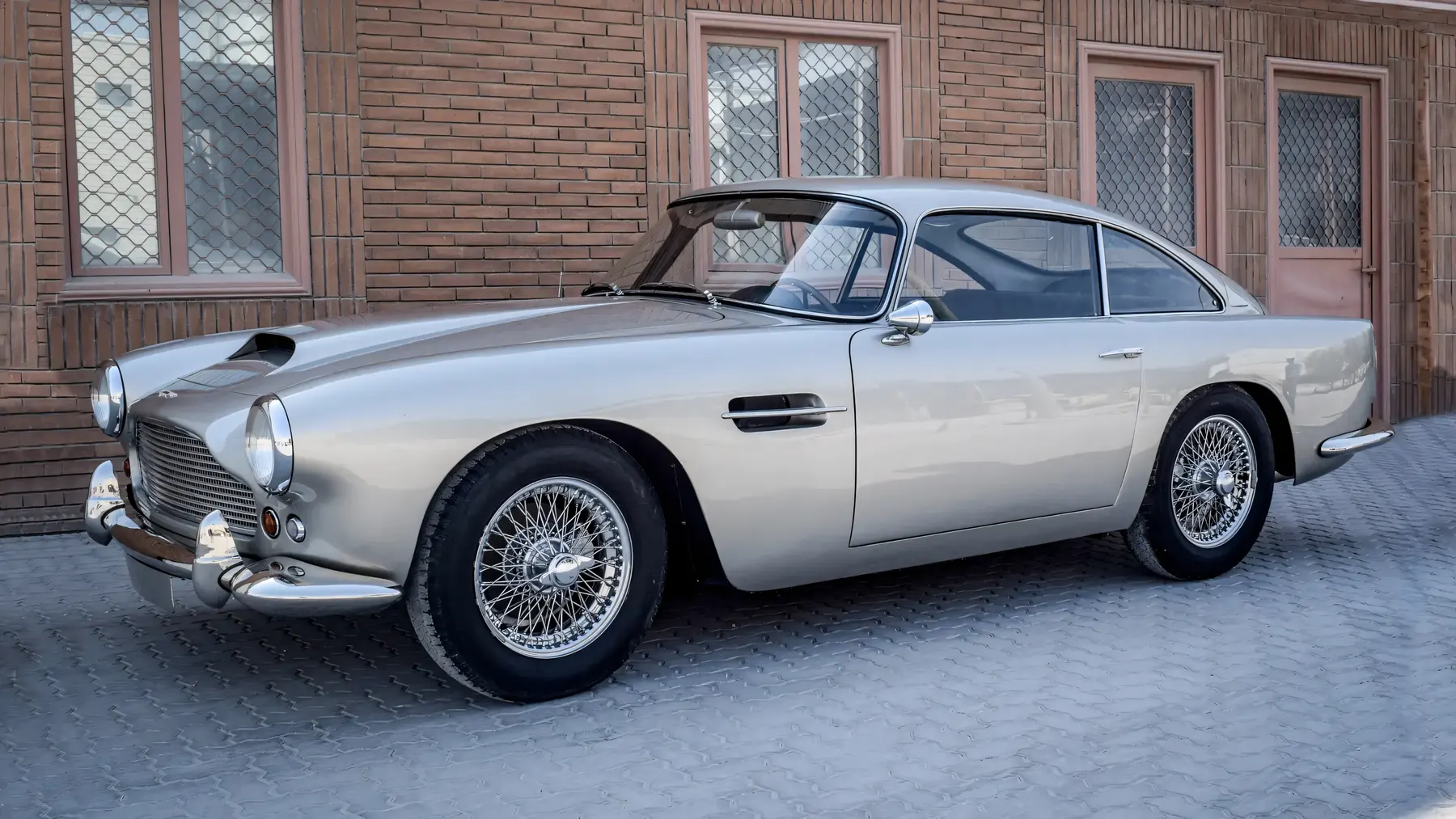
When the Aston Martin DB4 Series I debuted at the 1958 London Motor Show, it marked a transformative moment for the British marque and the grand touring segment. Emerging from the creative vision of Sir David Brown and the technical prowess of engineer Tadek Marek, the Series I redefined automotive excellence by merging Italian design flair with British engineering rigor. As the first model produced at Aston Martin’s Newport Pagnell facility, it laid the foundation for a lineage of iconic cars, including the legendary DB5, while establishing new benchmarks for performance, craftsmanship, and style.
The DB4 Series I arrived as a clean-sheet design, breaking from the traditional tubular chassis of its predecessors. This bold departure was driven by Sir David Brown’s ambition to compete with continental rivals like Ferrari and Maserati. Collaborating with Milanese coachbuilder Carrozzeria Touring, Aston Martin adopted the Superleggera (Italian for “super-light”) construction method. This innovative technique employed a tubular steel frame cloaked in hand-formed aluminum panels, creating a body that was both lightweight and rigid. The result was a car that weighed just 1,280 kg (2,822 lbs), a remarkable feat for its era.
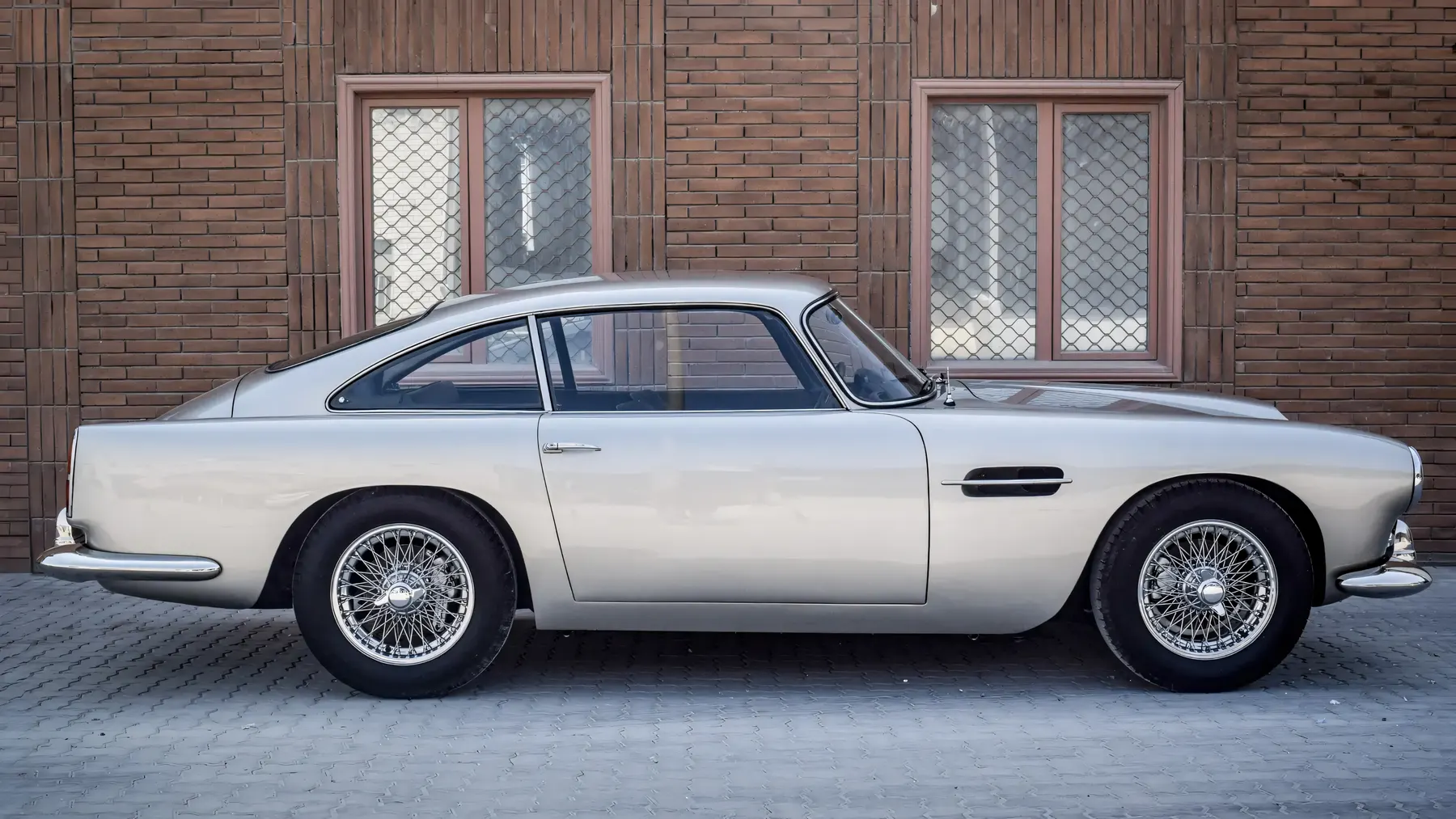
The DB4 Series I’s aesthetic was a revelation. Touring’s designers crafted a silhouette that balanced aggression with elegance,sweeping fenders, a low-slung profile, and a wraparound windshield that flowed seamlessly into the roofline. The recessed grille, flanked by covered headlamps, projected understated sophistication. Early Series I models featured distinctive details like rear-hinged bonnets, polished chrome bumpers with prominent overriders, and aluminum engine shrouds, which later transitioned to steel for durability. Inside, the cabin blended luxury and purpose, with Connolly leather bucket seats, polished walnut veneers on the dashboard, and Smiths instrumentation arrayed around a large tachometer. This driver-centric layout emphasized the car’s dual identity as a refined tourer and a capable performance machine.
At the heart of the DB4 Series I lay Tadek Marek’s groundbreaking 3.7-liter straight-six engine. Featuring dual overhead camshafts and an aluminum alloy block, it produced 240 horsepower,a figure that rivaled contemporary sports cars. Twin SU carburetors fed the engine, though early models were prone to overheating, a flaw swiftly addressed in subsequent iterations. Paired with a four-speed manual transmission, the power plant propelled the car from 0–60 mph in 9.3 seconds, with a top speed of 139.3 mph, as recorded by The Motor magazine in 1960.
The chassis showcased equally advanced engineering. Independent front suspension with double wishbones and coil springs provided nimble handling, while a live rear axle with Watt’s linkage ensured stability at high speeds. Servo-assisted Girling disc brakes on all four wheels,a rarity in late-1950s production cars,delivered confident stopping power. Owners could specify a 3.31:1 final-drive ratio for higher top speeds, though most models used a 3.54:1 ratio for balanced performance.
The Series I introduced design and technical elements that became hallmarks of the DB4 lineage. Its Superleggera body not only reduced weight but also allowed for subtle aerodynamic refinements, such as the iconic Kammback tail later seen in the DB5. Early cars rode on 16-inch wire wheels with Avon cross-ply tires, though radial Pirelli Cinturatos became an option for improved grip. The cabin offered practical luxuries like a heated rear screen and optional picnic tables, catering to clients who valued both speed and comfort.
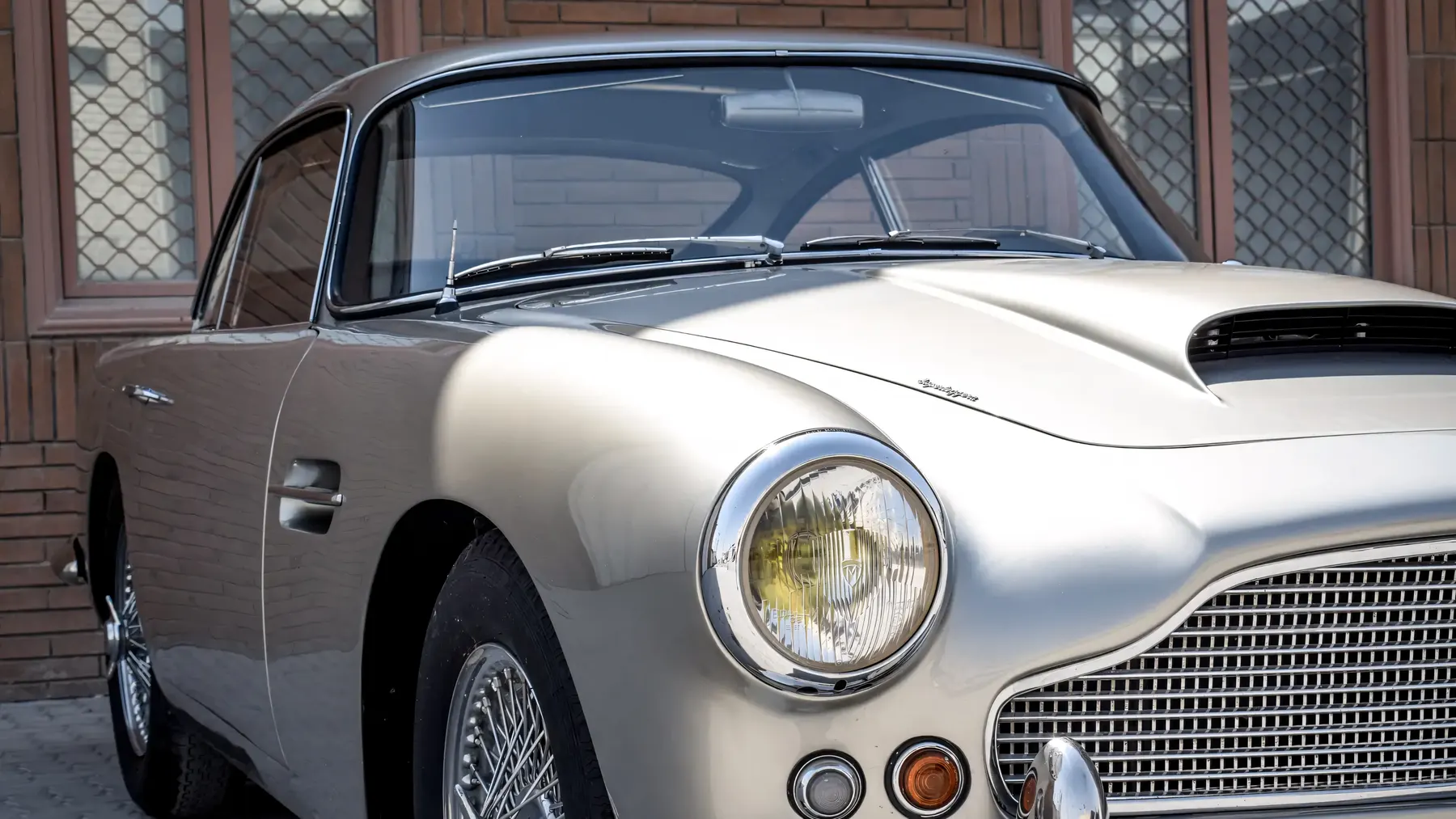
Initial reactions to the DB4 Series I were mixed. Traditionalists questioned its Italian-inspired styling, while early reliability issues tested patience. However, these concerns faded as the car’s performance capabilities captivated enthusiasts. Automotive journalists praised its blend of agility and refinement, with The Motor declaring it “a car that combines racing potential with touring comfort.” Celebrities like Peter Sellers and Richard Burton became early adopters, drawn to its exclusivity and timeless design.
The Series I’s cultural resonance extended beyond the showroom. Its engineering DNA influenced successors like the DB4 GT Zagato and the Lagonda Rapide, while its aesthetic cues foreshadowed the DB5’s cinematic fame. Though overshadowed by its Bond-famous successor, the DB4 Series I remains a touchstone for purists, embodying an era when grand tourers were handbuilt works of art.
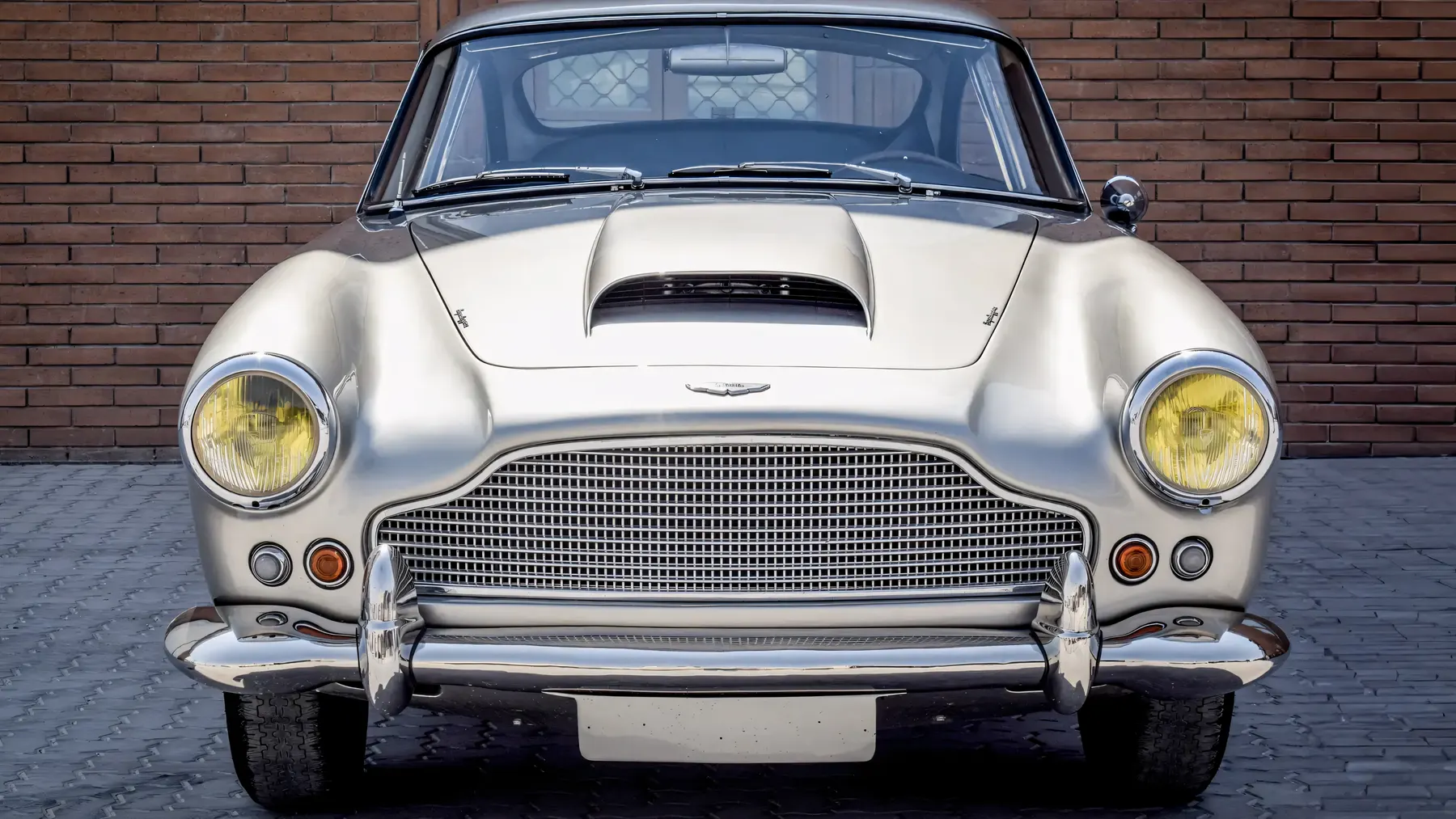
With only 149 units produced between 1958 and 1960, the DB4 Series I is among the rarest Aston Martins. Survivors with matching-numbers engines and original build sheets command seven-figure sums at auction, coveted by collectors for their historical significance. Restoration projects often focus on preserving period-correct details, from California Sage metallic paint to rare interior trims, guided by factory records.
Today, the DB4 Series I is celebrated as a milestone in automotive design. It represents a fleeting moment when artistry and innovation converged,a machine that could carve Alpine passes with precision or glide through London’s streets with aristocratic poise. For enthusiasts, it remains not merely a car, but a testament to the audacity of postwar British engineering and the enduring allure of the grand touring ideal.