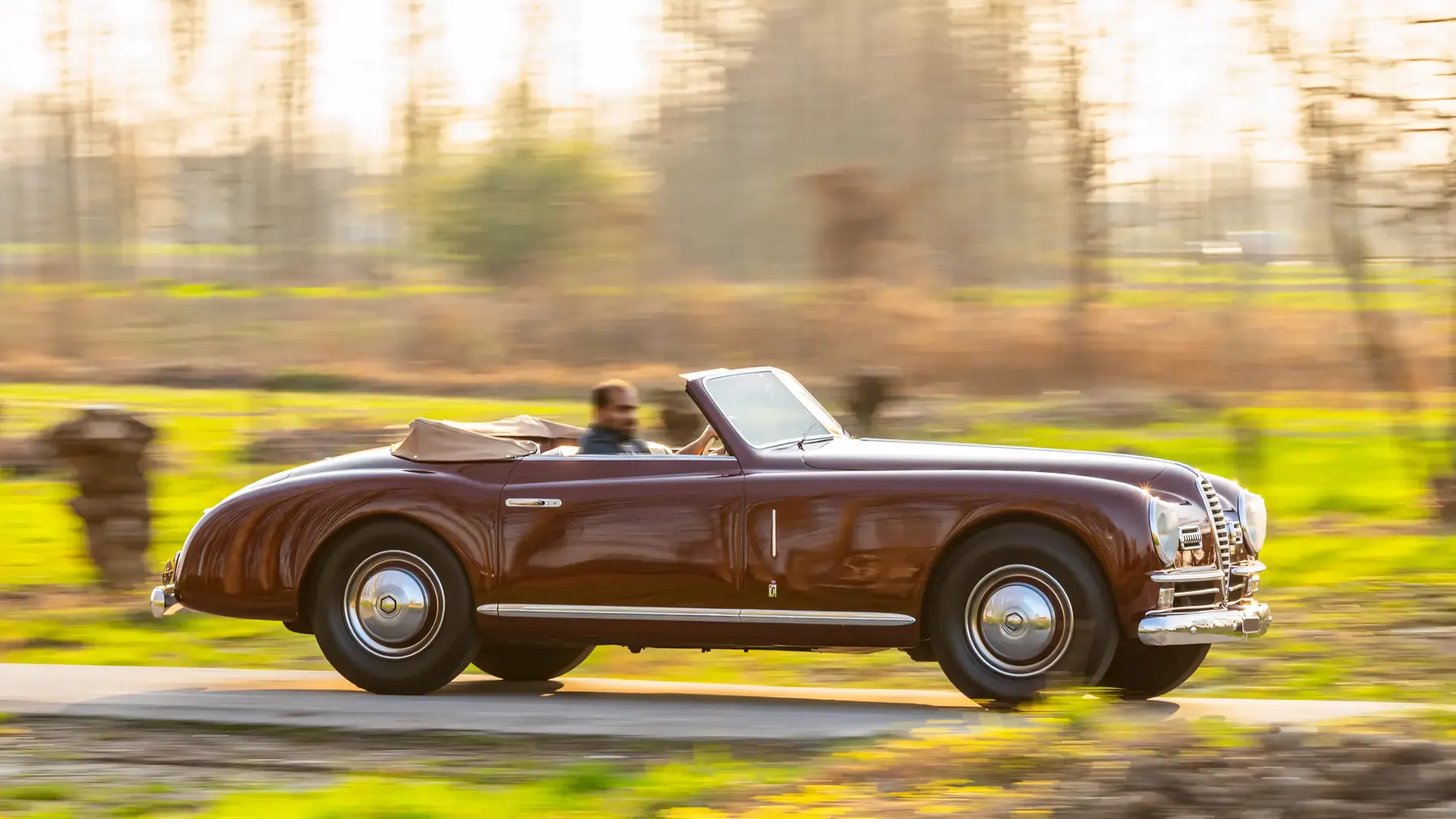
1949 Alfa Romeo 6C 2500 Passo Corto Super Sport Cabriolet by Pinin Farina
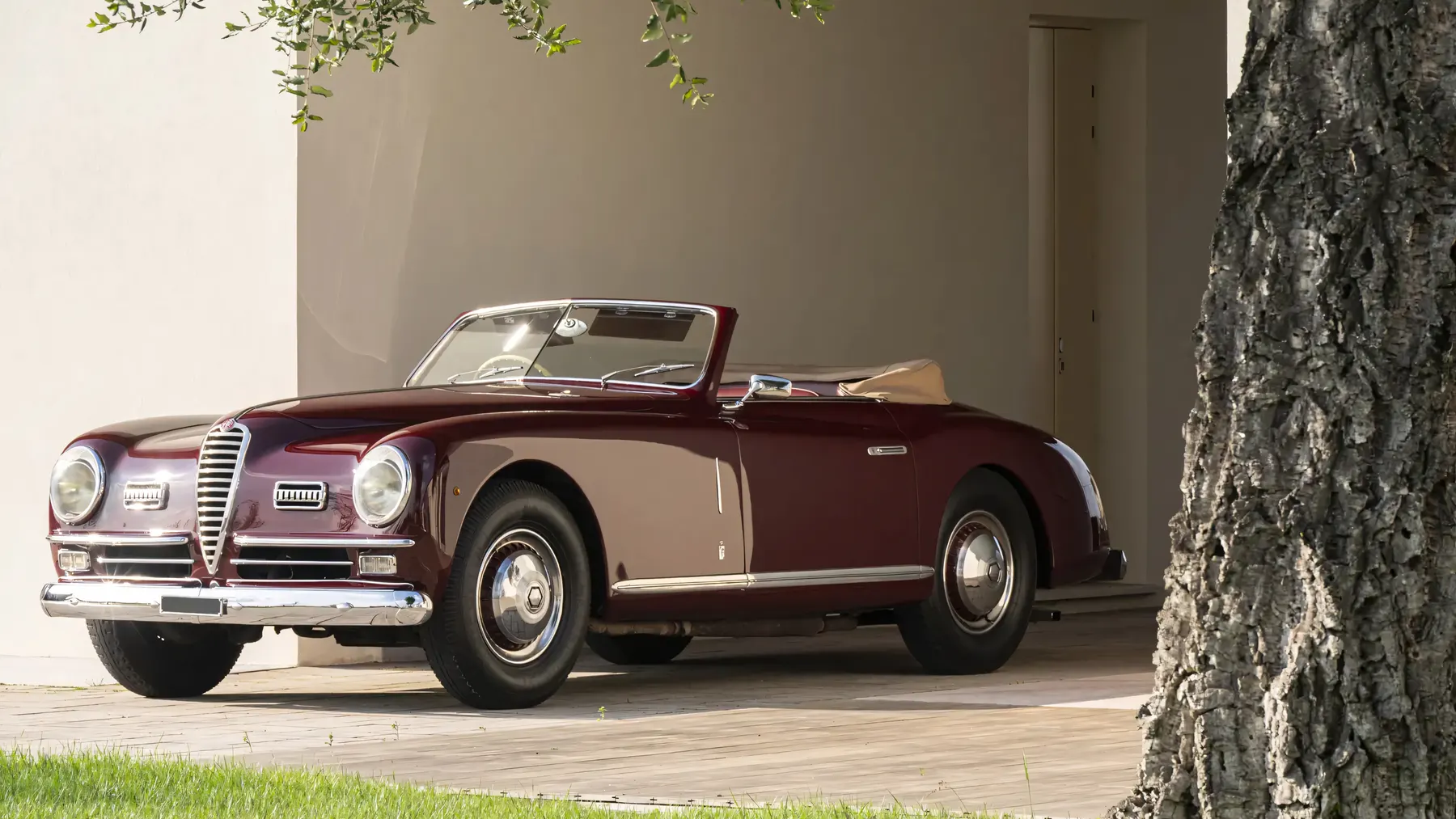
In the twilight of Europe’s coachbuilding era, the Alfa Romeo 6C 2500 Passo Corto Super Sport Cabriolet emerged as a symphonic convergence of mechanical ingenuity and sculptural design. Crafted during Italy’s postwar reconstruction, this automotive jewel represented the final flourish of Alfa Romeo’s prewar engineering philosophy, blending competition-derived technology with bespoke artistry from Carrozzeria Pinin Farina.
Born from the ashes of World War II, the 6C 2500 series carried forward Vittorio Jano’s legendary six-cylinder lineage. The Passo Corto (short wheelbase) Super Sport variant, introduced in 1947, targeted discerning clients seeking both exclusivity and performance. Its development coincided with Italy’s industrial rebirth, as manufacturers like Alfa Romeo sought to reassert their technical prowess through limited-production masterpieces. The collaboration with Pinin Farina,not yet “Pininfarina”,showcased the country’s design leadership during an era when most automakers focused on utilitarian vehicles.
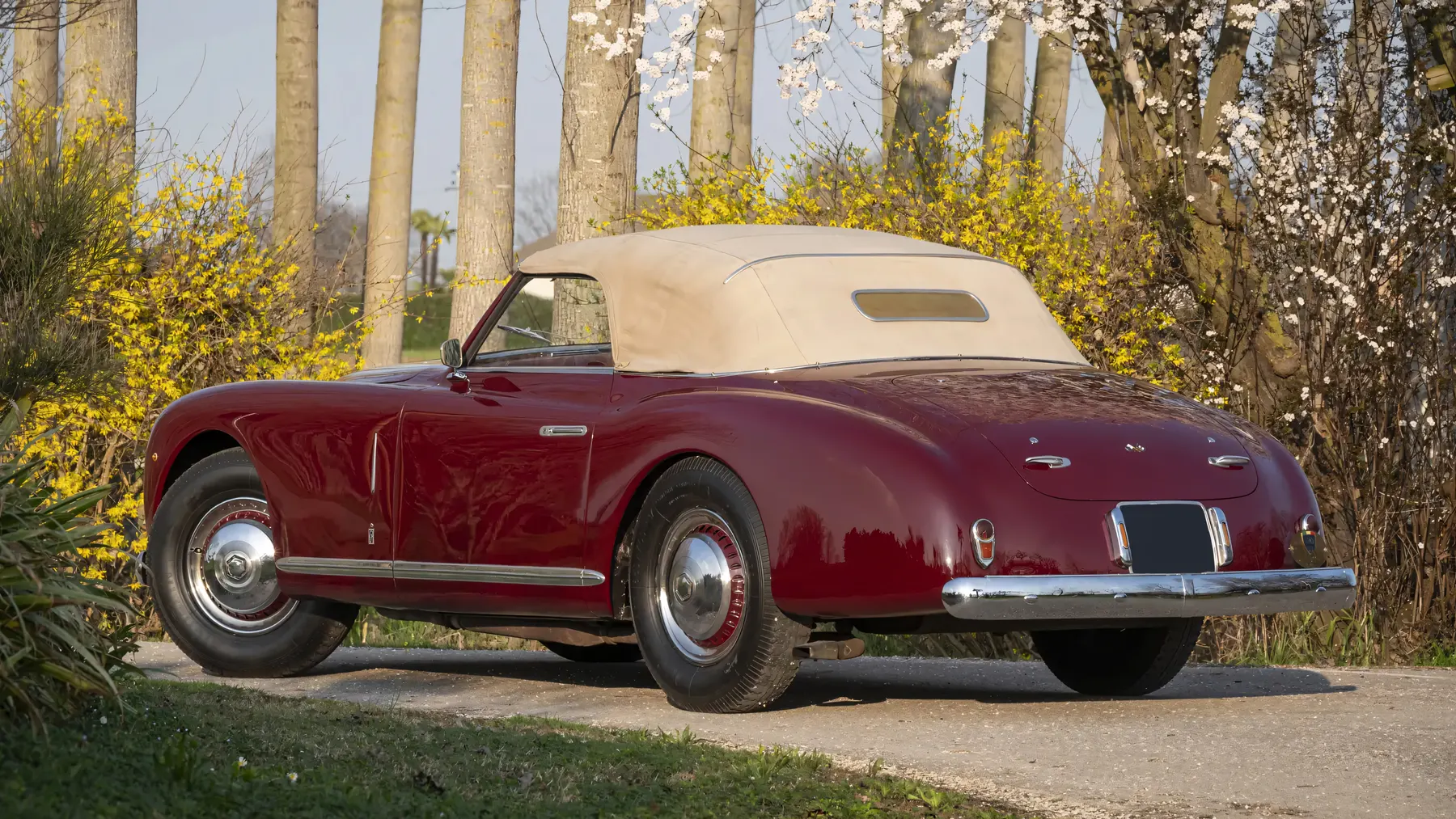
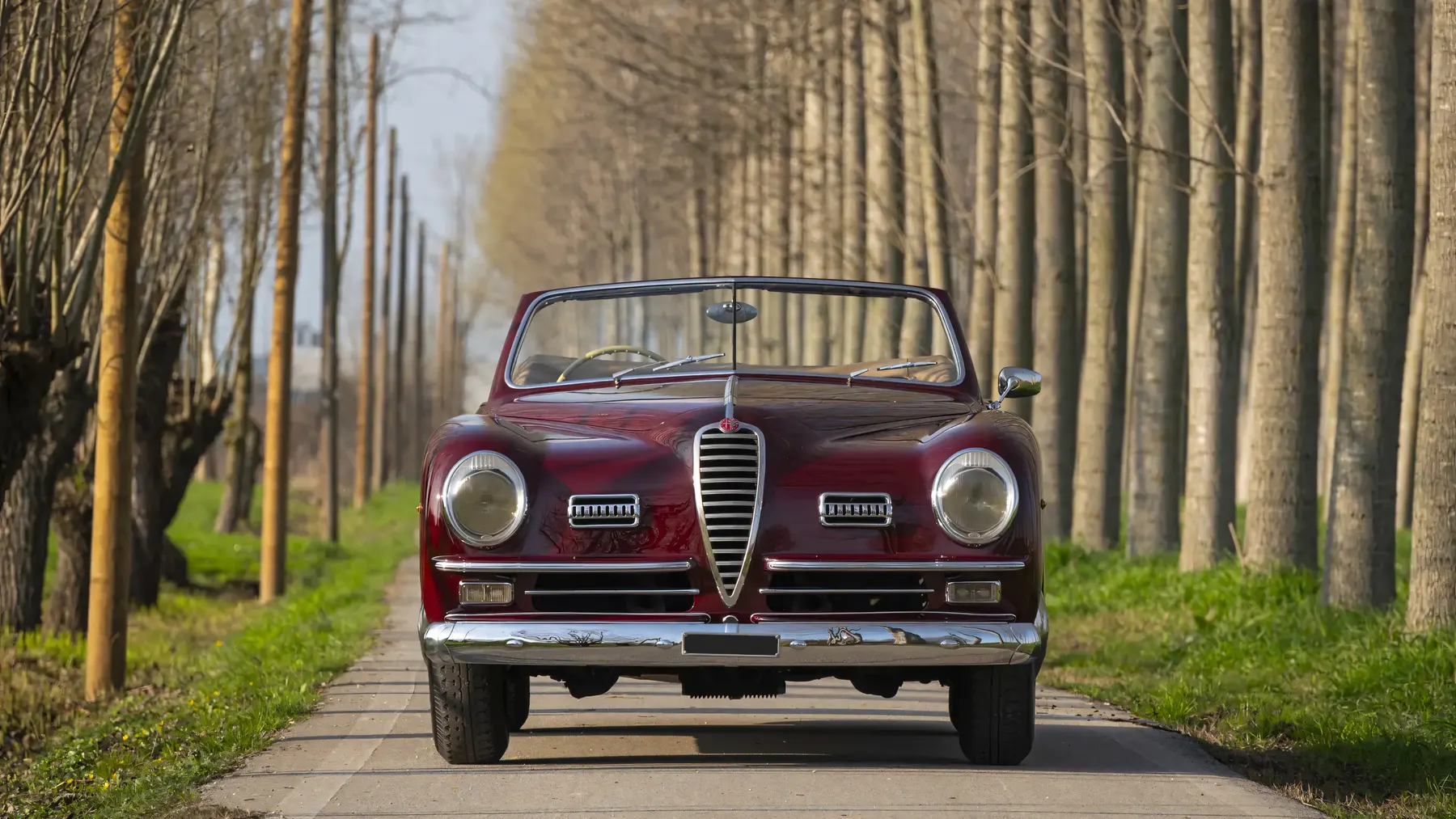
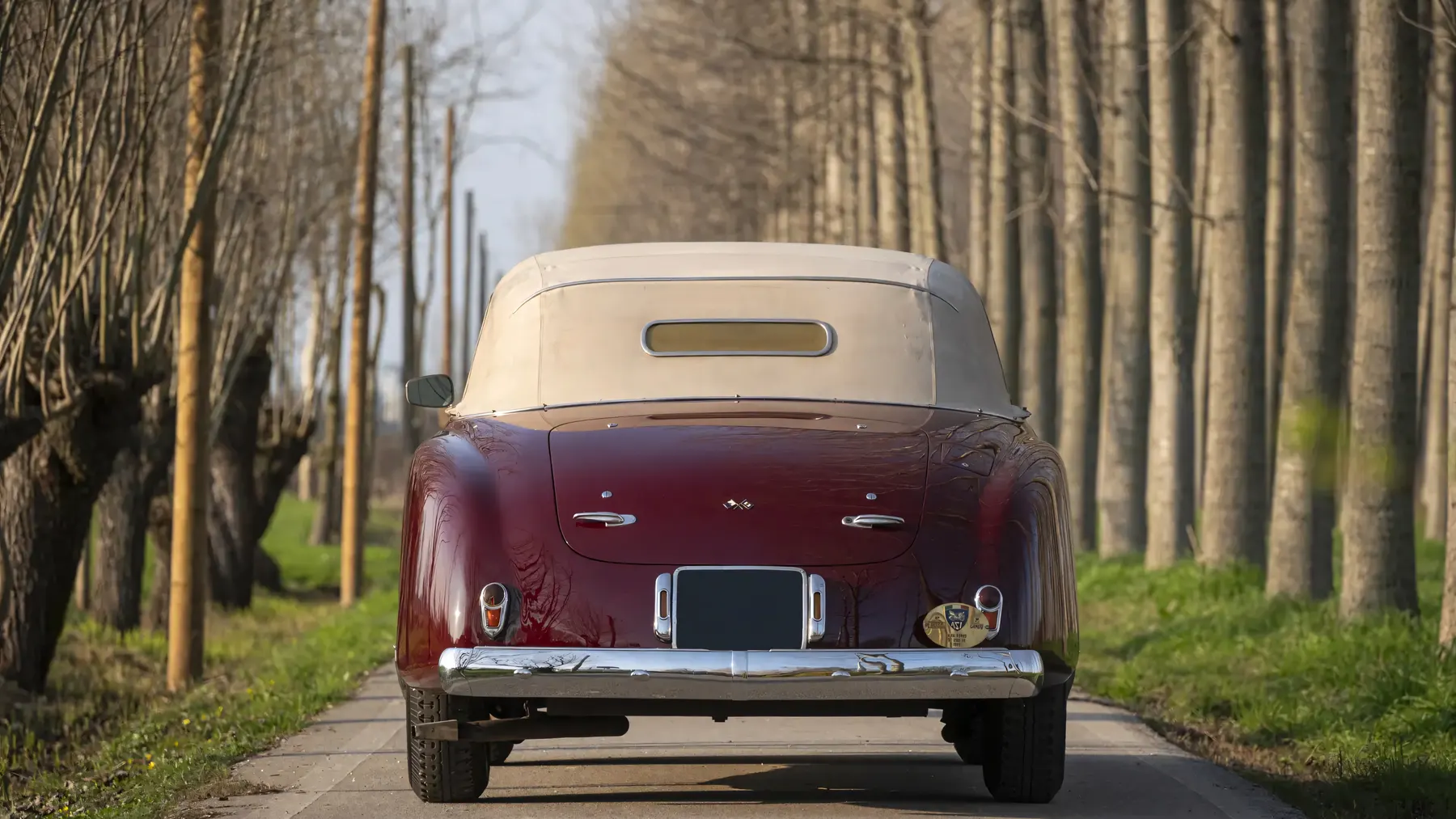
Pinin Farina’s cabriolet body work transformed the 6C 2500 into rolling sculpture. The design language balanced aerodynamic efficiency with emotional resonance,a low-slung prow swept into fenders that enveloped 16-inch wire wheels, while a raked windshield and tapered rear deck created timeless proportions. Hand-formed aluminum panels showcased artisan craftsmanship, their compound curves reflecting light like liquid mercury.
Distinctive elements included flush-mounted headlights (a Pinin Farina signature), triple chrome side vents echoing Alfa’s racing grilles, and a rear treatment that curved downward to expose spare tire mounts,a nod to grand touring practicality. The convertible top, when raised, maintained the car’s elegant profile through precise fitment rarely seen in postwar convertibles.
Beneath this beauty lay Jano’s engineering masterpiece,a 2,443 cc twin-cam inline-six with hemispherical combustion chambers and dual overhead camshafts. In Super Sport trim, triple Weber 36DCR carburetors pushed output to 110 horsepower, enabling a top speed of 180 km/h,extraordinary for a luxury cabriolet. The short 2,700 mm wheelbase chassis, derived from Alfa’s prewar 6C 2500 SS Mille Miglia racers, featured a lightweight tubular frame with independent front suspension and a live rear axle tuned for spirited handling.
Technical innovations abounded: a synchronized four-speed gearbox with gated shifter, hydraulic drum brakes with finned aluminum cooling, and a dual-circuit fuel system allowing drivers to switch between main and reserve tanks,critical for long European tours. The engine’s chrome-nickel steel crankshaft and sodium-cooled exhaust valves reflected Jano’s racing pedigree, ensuring durability under sustained high-speed operation.
The cabin exemplified la dolce vita aesthetics. Bridge of Weir leather enveloped bucket seats contoured to hold occupants during spirited driving, while burled walnut dashboards housed Jaeger instruments arranged in a symmetrical “cowhorn” configuration. Unique to the Super Sport were drilled aluminum pedals, a Nardi wood-rimmed steering wheel, and custom-fitted luggage sets that fit precisely into the trunk’s curvaceous confines.
Commissioned by Europe’s elite,industrialists like Gianni Agnelli and screen icons such as Tyrone Power,these cabriolets became mobile symbols of post war optimism. Their appearance in period films, most notably later in The Godfather, cemented their status as icons of mid-century sophistication. Production numbers remain elusive, but historians estimate fewer than 50 Passo Corto Super Sport Cabriolets left Pinin Farina’s Turin workshop between 1947-1952.
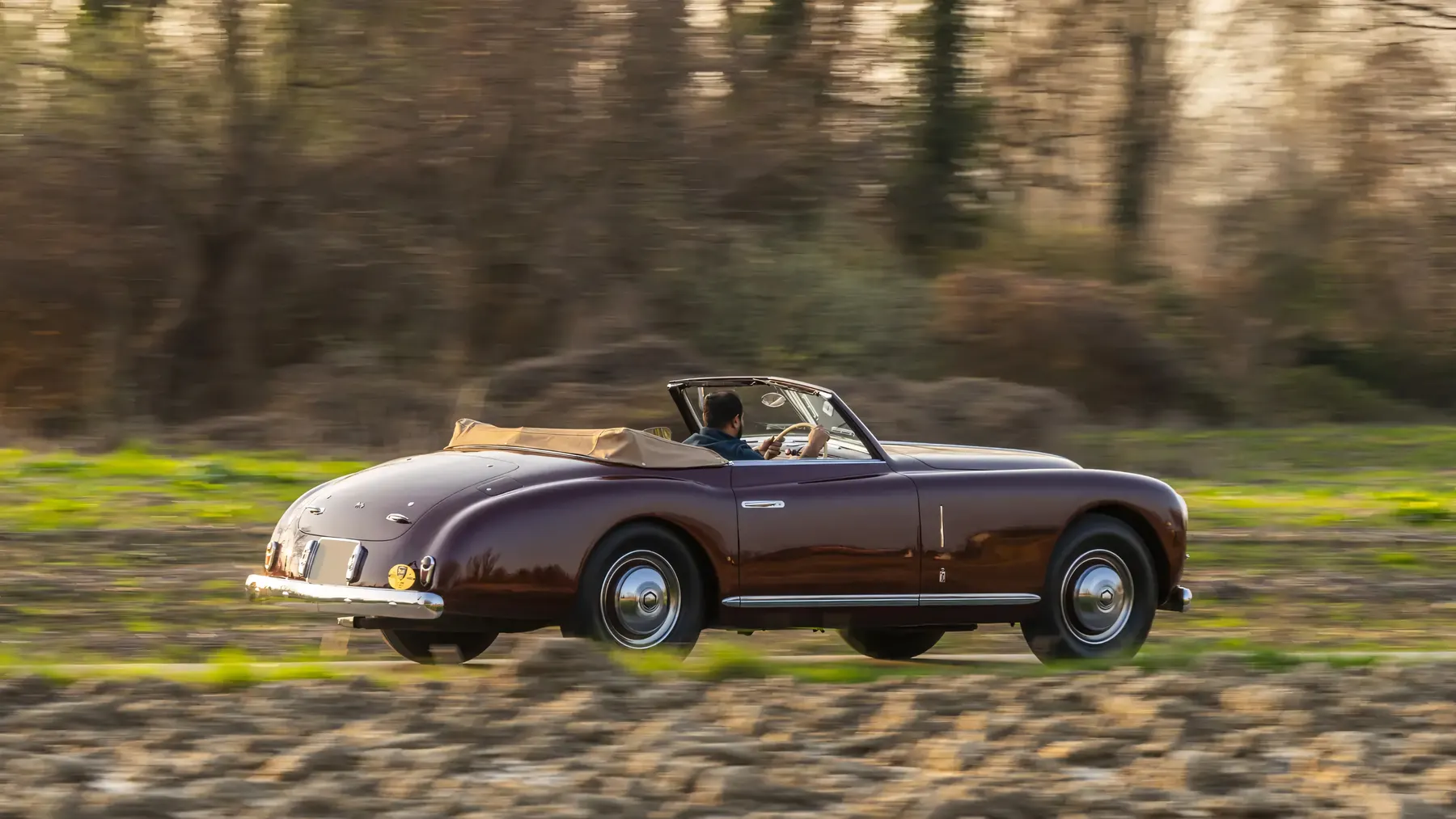
Though conceived as grand tourers, several owners entered their 6C 2500s in competitions. The model’s competition highlight came at the 1949 Mille Miglia, where a privately entered SS Cabriolet finished 10th overall,remarkable for a luxury convertible. This dual-purpose capability stemmed from shared DNA with the Tipo 256 race cars, which had dominated pre war Italian endurance events.
Today, surviving examples rank among the most coveted prewar Alfas. Authenticity verification relies on cross-referencing chassis numbers with Alfa’s Registro Italiano archives, as many components were hand-fitted. Restorers prize original Borrani wire wheels and Veglia instrumentation, while the engine’s unique sand-cast alloy block presents machining challenges.
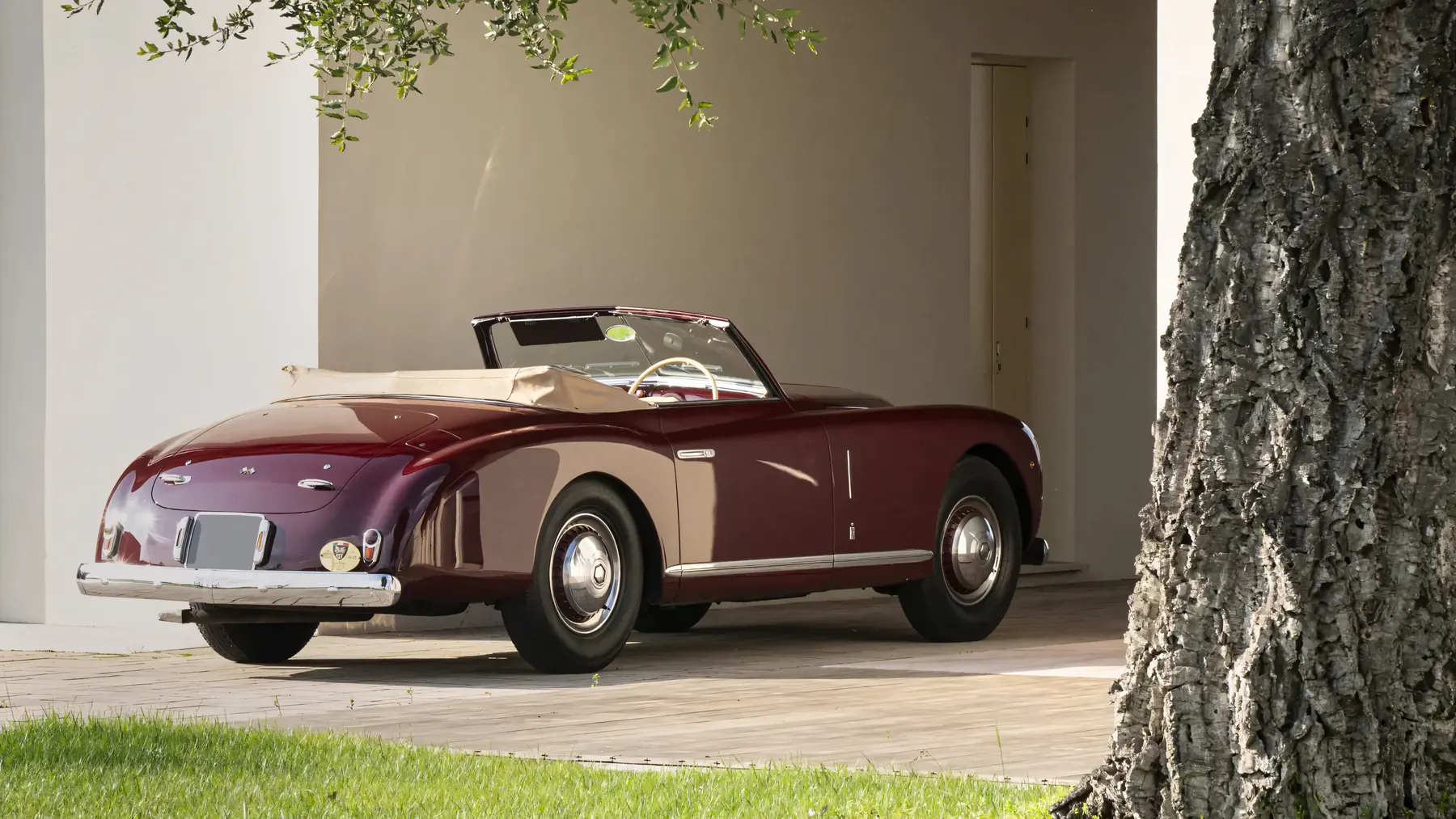
At events like Villa d’Este, these cabriolets command attention not just for their beauty, but for representing a transitional moment,when handbuilt coachwork met emerging mass production techniques. The 6C 2500’s influence echoes in modern Alfa Romeos, from the 8C Competizione’s fender curves to the Giulia Quadrifoglio’s driver-focused ethos.
The Alfa Romeo 6C 2500 Passo Corto Super Sport Cabriolet by Pinin Farina transcends automotive classification. It is a mechanical sonnet,each line penned by master designers, each mechanical component honed by racing veterans. In an era of austerity, it dared to celebrate beauty and speed, embodying Italy’s indomitable creative spirit. For collectors, it remains the holy grail of postwar Alfas; for historians, the closing chapter of coachbuilding’s golden age; and for all who encounter it, an enduring reminder that machines can indeed be art.